

 Vasai, Maharashtra
Drive a steel shovel into gravel or scrape it across a concrete floor and it can throw a spark. Usually that does not matter. Next to spilled fuel, in a grain store full of dust or on a tanker jetty, it might. A plastic tray cannot strike that kind of spark.
What does non-spark mean?
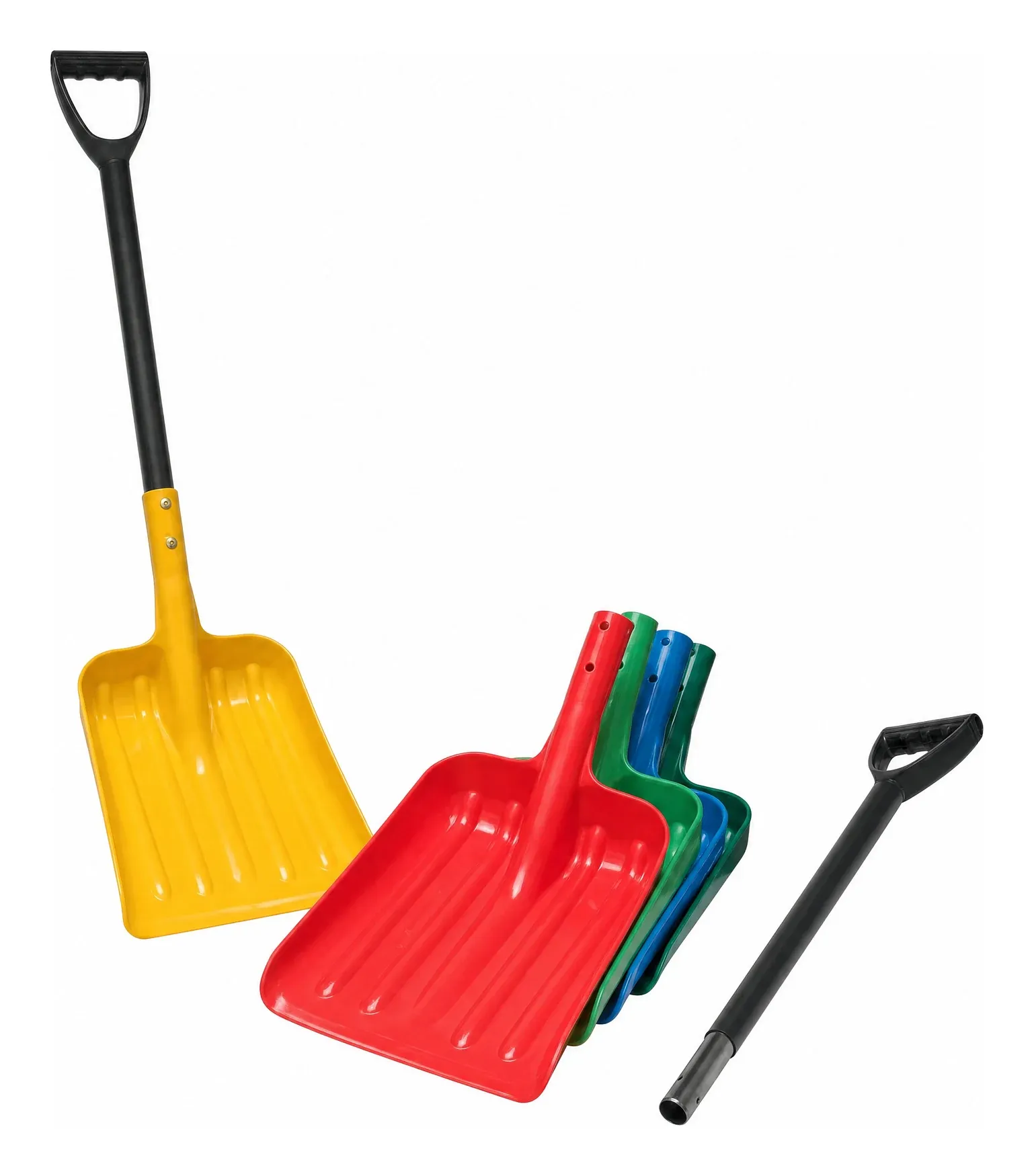
A non-spark, or non-sparking, tool is one that does not throw friction sparks when it strikes or scrapes a hard surface. Steel does, because small particles torn off it burn as they fly. A polymer shovel tray does not. The Stallion is a non-spark plastic shovel with an engineering polymer tray; its handle is ribbed plastic riveted to a powder-coated MS rod, and the tray is held by two MS carriage bolts.
What is a plastic shovel used for?
The Stallion is listed for spill kits and for bulky, lightweight materials. In general, plastic shovels are used where steel would spark, corrode or damage what it touches:
- Spill kits: scooping absorbent granules and contaminated material after an oil or fuel spill.
- Salt and other corrosive loads that rust steel blades.
- Grain, feed, sugar and other loose dry goods, where a light shovel is easier to work all day.
- Ice and fish on a landing or in a hold, where a steel edge marks the catch and rusts.
- Chemical stores, with the chemical checked against the polymer first.
- Places where a spark from a steel tool is a concern, as one part of the site’s wider precautions.
Does non-spark make a shovel safe in a hazardous area?
Not on its own. Non-spark covers friction sparks only. Plastics can build up static charge when they rub against dry, moving material, and a static discharge can also ignite vapour or dust. Whether any tool may be used in a classified hazardous area is decided by the site’s own hazardous-area assessment and permit, not by the tool’s name. The Stallion carries no hazardous-area rating, and its handle rod and tray bolts are steel; ask your safety officer before taking it into a classified zone.
What are the Stallion shovel’s figures?
The handle is 680 mm long, ribbed plastic riveted to a powder-coated MS rod, with an inner rod thickness of 1.5 mm. The tray is 550 mm long and 285 mm wide, held by 2 MS carriage bolts, 6 mm × 50 mm, with nuts and washers. It weighs 1.76 kg in total, resists oils, fuels and most chemicals, does not rust or rot, and works from −30 °C to +80 °C, in use and in storage.
| Specification | Value |
|---|---|
| Model | Stallion |
| Material | Engineering polymer |
| Type | Non-spark |
| Handle length | 680 mm, ribbed plastic riveted to a powder-coated MS rod; inner rod thickness 1.5 mm |
| Tray length | 550 mm |
| Tray width | 285 mm |
| Fixings | 2 MS carriage bolts, 6 mm × 50 mm, with nuts and washers |
| Total weight | 1.76 kg |
| Colours | Red, green, blue, yellow |
| Resistance | Oils, fuels and most chemicals; does not rust or rot |
| Working temperature | −30 °C to +80 °C (use and storage) |
| Use | Spill kits; bulky, lightweight materials |
How do the colours help?
The Stallion comes in red, green, blue and yellow. Sites that keep tools for food apart from tools for waste or chemicals often give each a colour, so a shovel used in a spill never ends up in the grain. Choose the colours by the areas you need to keep apart, and order them that way.
How do you look after a plastic shovel?
- Push and scoop; do not lever. A plastic tray takes a load well but is not a crowbar for breaking up caked material.
- Wash it after use, above all after a chemical or a spill, and dispose of the rinse water as the spill procedure says.
- Check the carriage bolts that hold the tray to the handle, and tighten them if the tray has worked loose.
- Store it out of direct sun when it is not in use.
- Retire a shovel whose tray is cracked or whose edge has worn ragged.
Plastic Shovel
Plastic Products
The shovel sits with helmets and fire blankets in equipment for industrial safety. Request a quote with the quantity in each colour.