

 Vasai, Maharashtra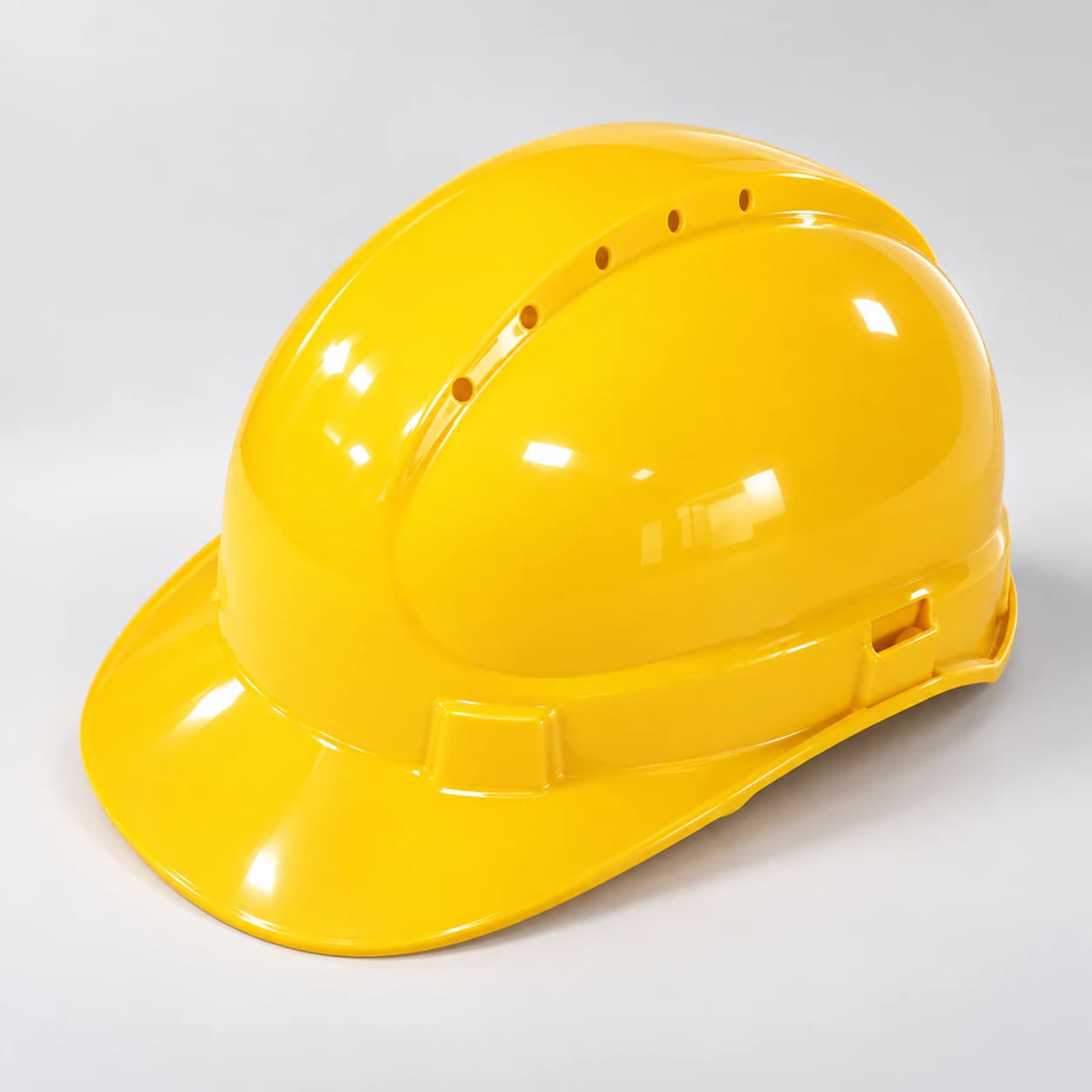
Safety helmet colour code: who wears which colour
White, yellow, red, blue, orange, green and grey: the helmet colour scheme MM’s brochure suggests, why IS 2925 sets none, and how a site should apply one.
Safety & life-saving
Commercial fishing
Marine equipment
Moulded plastics
Catalogue
The complete MM range, including marine equipment, deck hardware and electronics.
Download the 2026 catalogueSee the approvals registerBlog
What the standards ask for, what buyers check, and MM’s range with the figures as MM lists them.
White, yellow, red, blue, orange, green and grey: the helmet colour scheme MM’s brochure suggests, why IS 2925 sets none, and how a site should apply one.
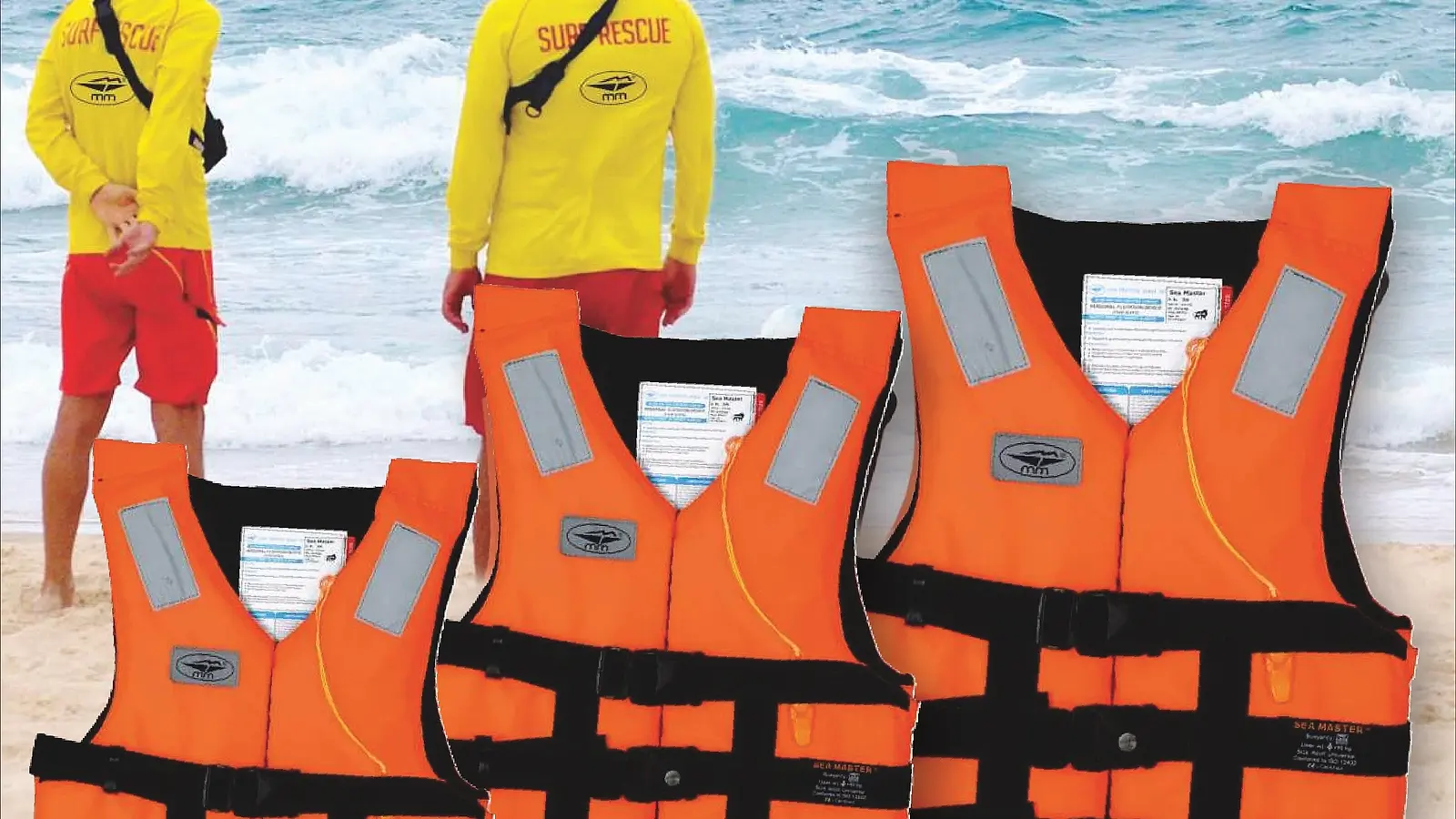
Who will wear it, on what water, under which rules, foam or inflatable, and with what extras: five questions that lead to the right life jacket.
How children’s life jackets are sized, the features that matter (lifting loop, leg strap, head support), how to check the fit, and MM’s child sizes.
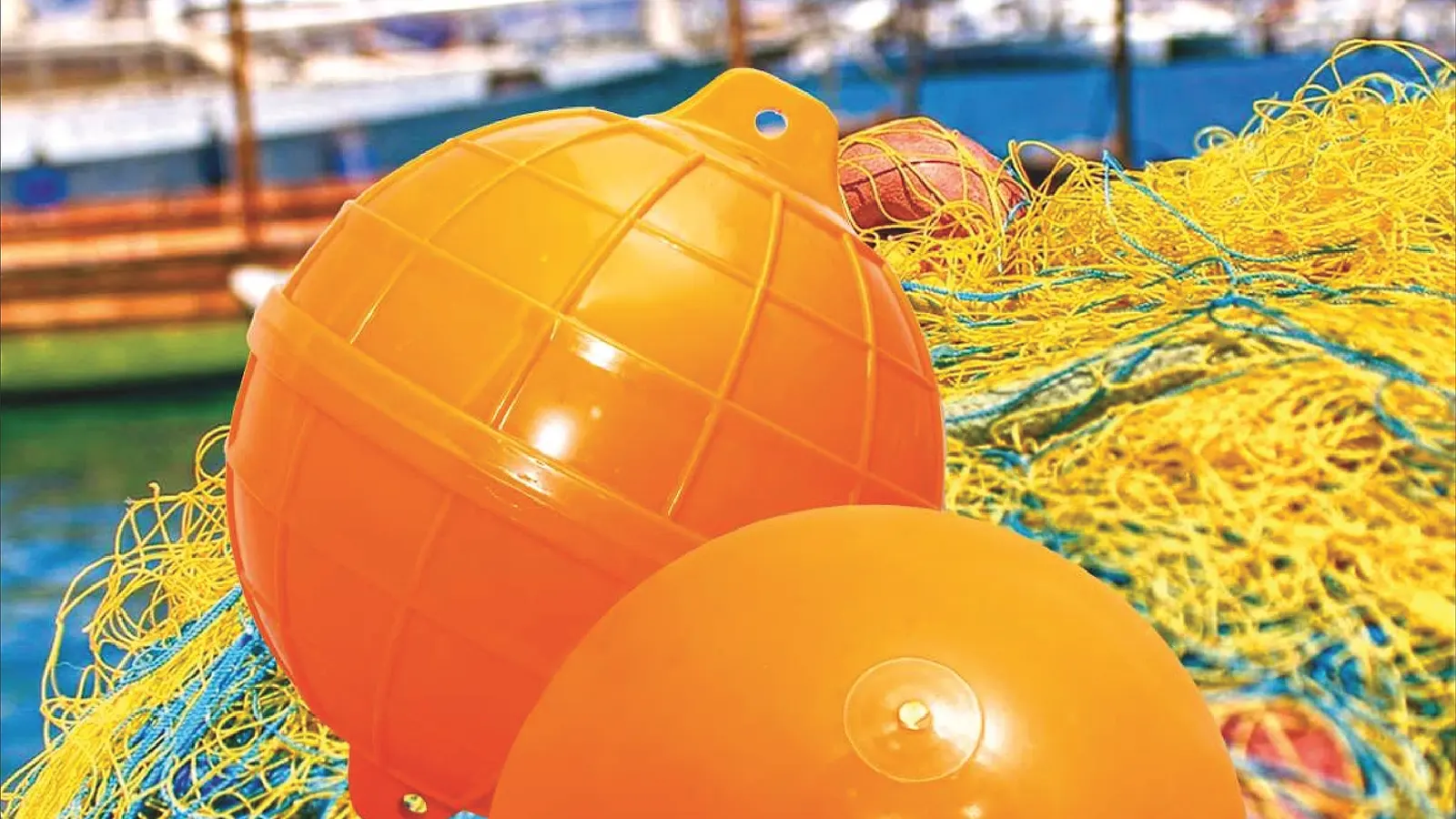
What makes a life jacket wearable all day on a fishing boat: freedom to work, no snags, heat, buoyancy, light and whistle, and the season to check them.
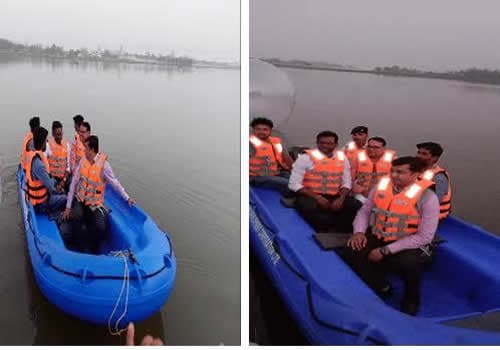
Which life jacket or buoyancy aid suits kayaking, rafting, boating and other water sports, how much buoyancy each needs, and how to wear it for the activity.
Putting a life jacket on, fastening and fitting it, the lift test, jumping in from a height, and what to do once you are in the water.
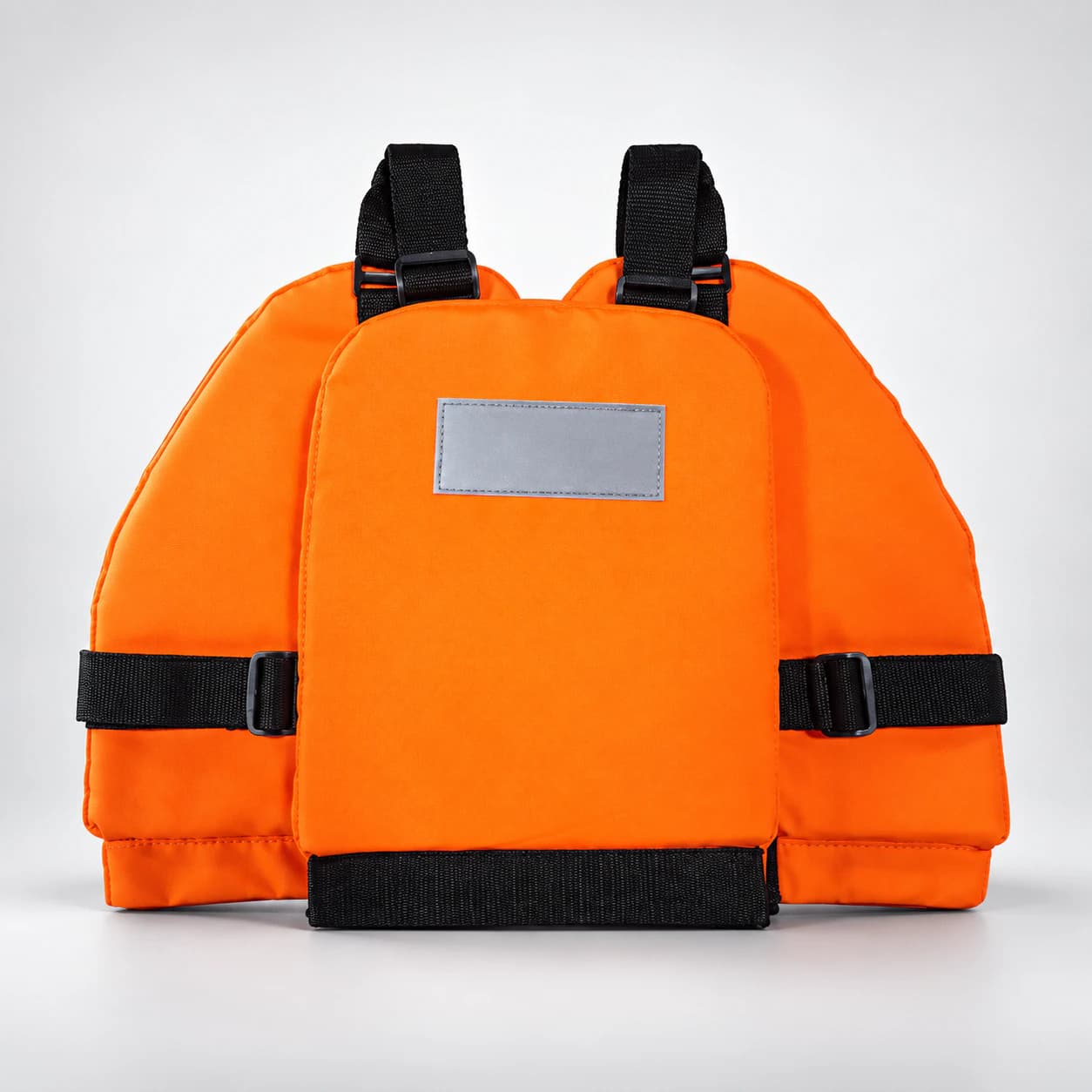
Why the LSA Code asks for vivid reddish orange, what retro-reflective tape does at night, and where colour and tape are placed on MM’s jackets.
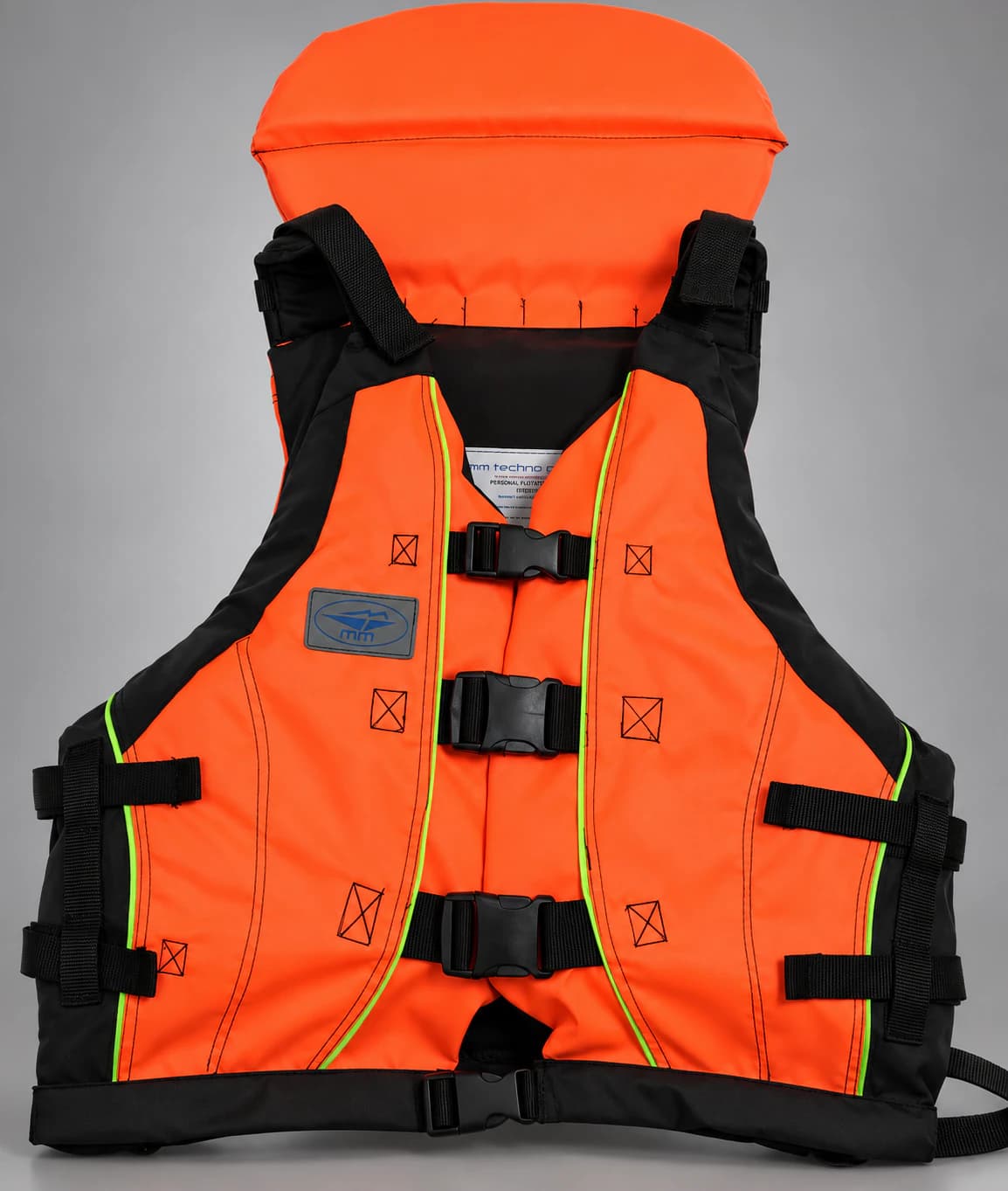
How inflatable and foam life jackets differ, automatic and manual inflation, servicing, who should wear foam, and where a buoyancy aid fits in.
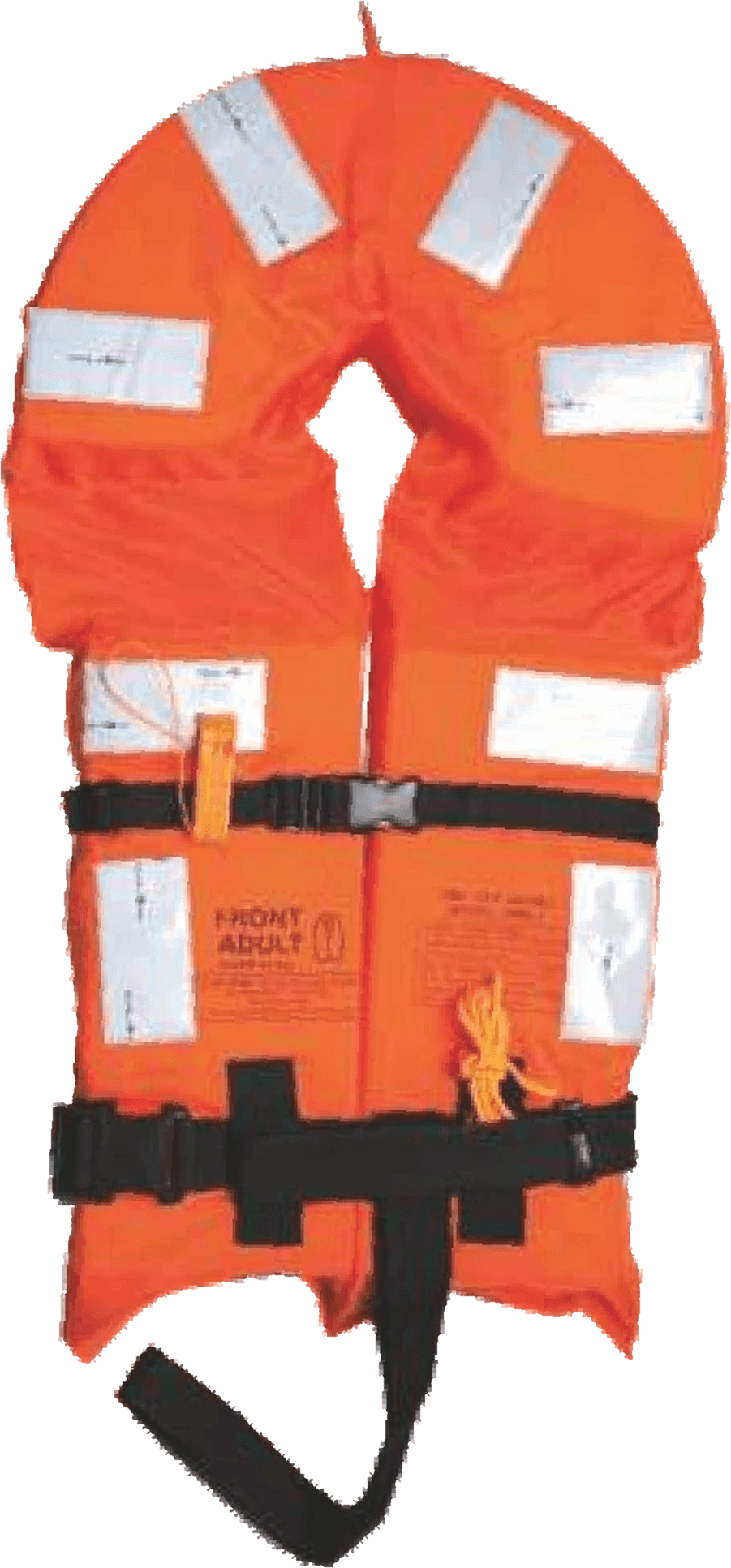
What the LSA Code asks of a SOLAS life jacket: the 4.5 m jump, turning a wearer face-up in 5 seconds, 120 mm of freeboard, the light, the whistle and the sizes.
How life jacket sizes work: the SOLAS weight and height classes, why buoyancy in newtons is not body weight, and every MM model by user weight and buoyancy.
Foam life jackets carry no fixed expiry date. What SOLAS asks for inspection and servicing, a checklist for each jacket, and the signs it must be replaced.
For fleets, ports, agencies and tenders: eight checks on a life jacket quote, from the approval and certificate to user weight, sizes, marking and documents.
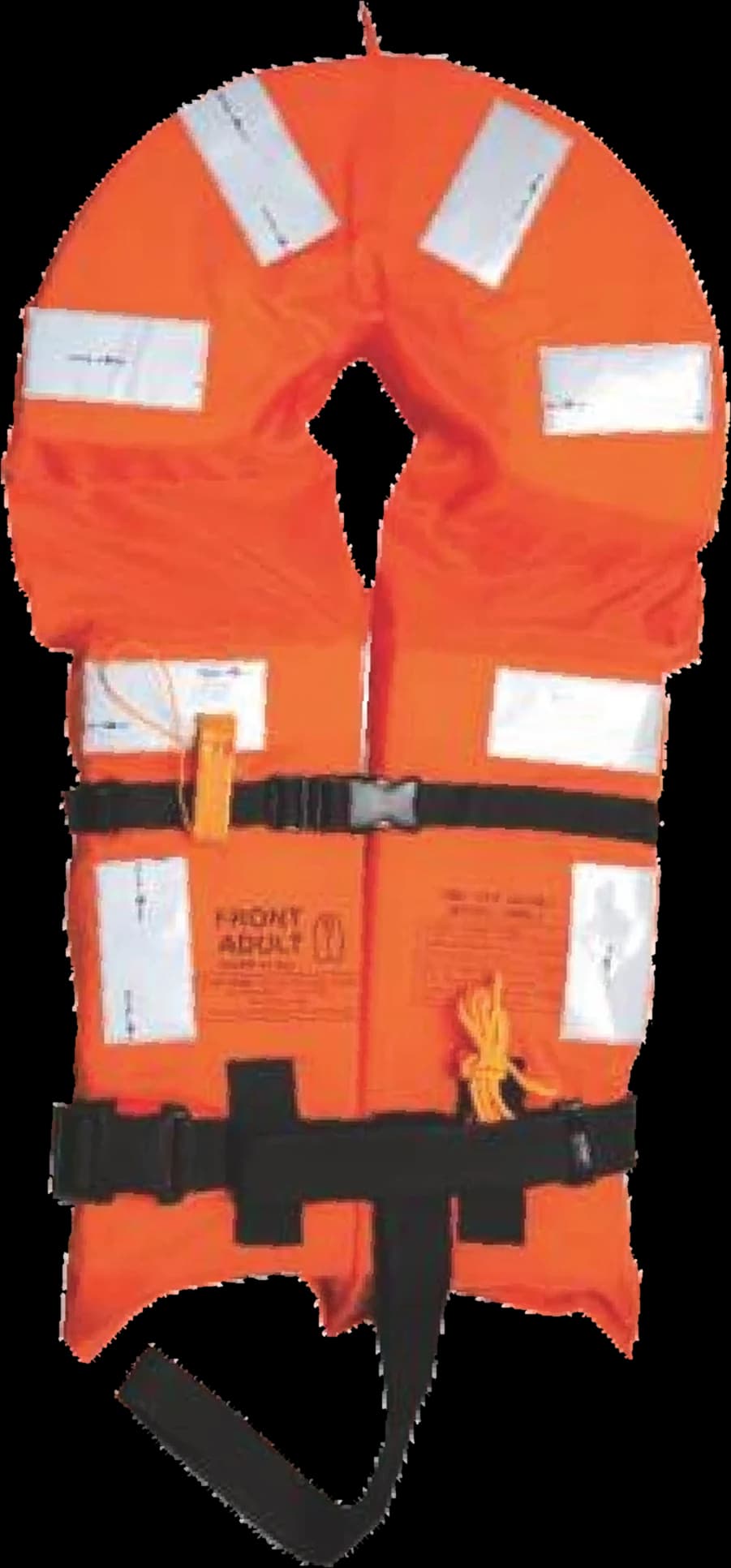
How a yoke-type life jacket is shaped to improve self-righting and fold flat for stowage, with MM’s MMLJ and the child-sized MMLJC as the example.
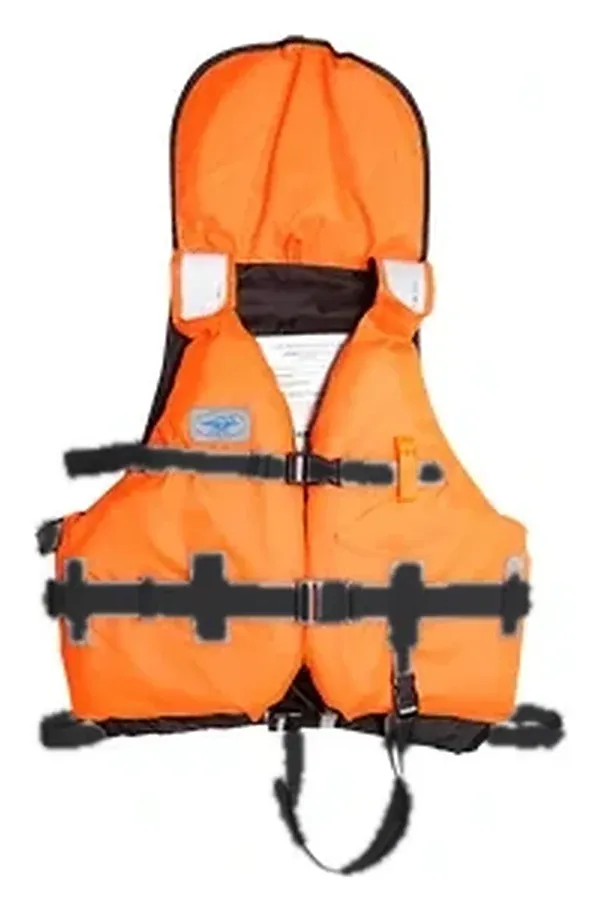
The difference between a work vest and a life jacket, and what MM lists for the MMWV (100 N, Type III) and the MMWVCG coast-guard vest (78 N, Type V).
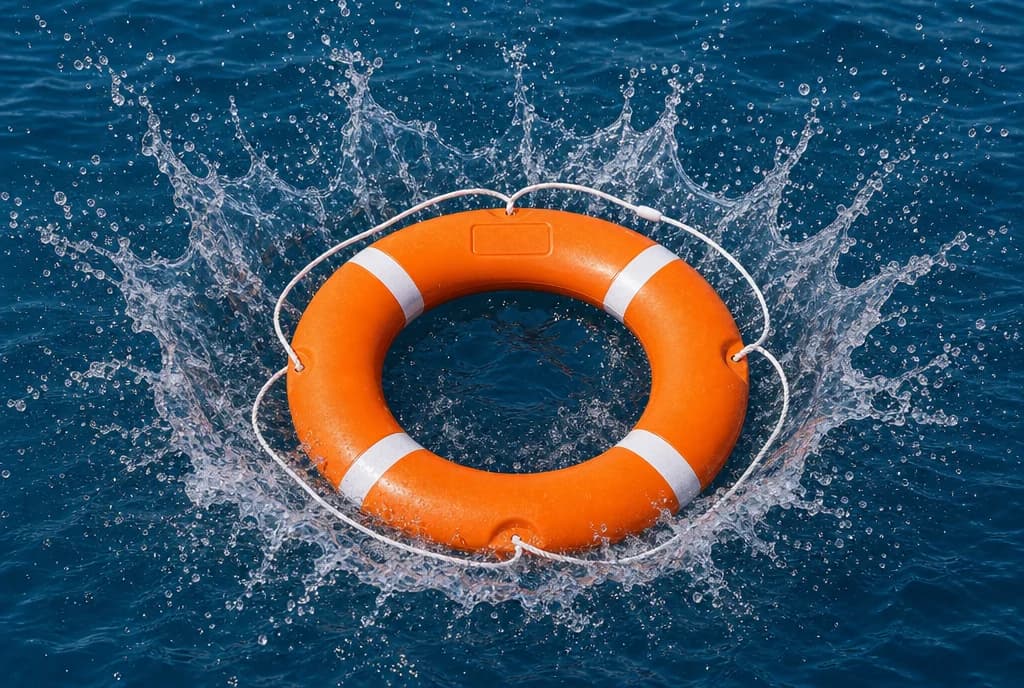
Shout, point, throw, mark, turn and call: the first actions when someone falls overboard, and the lifebuoy, light and line that make a recovery possible.
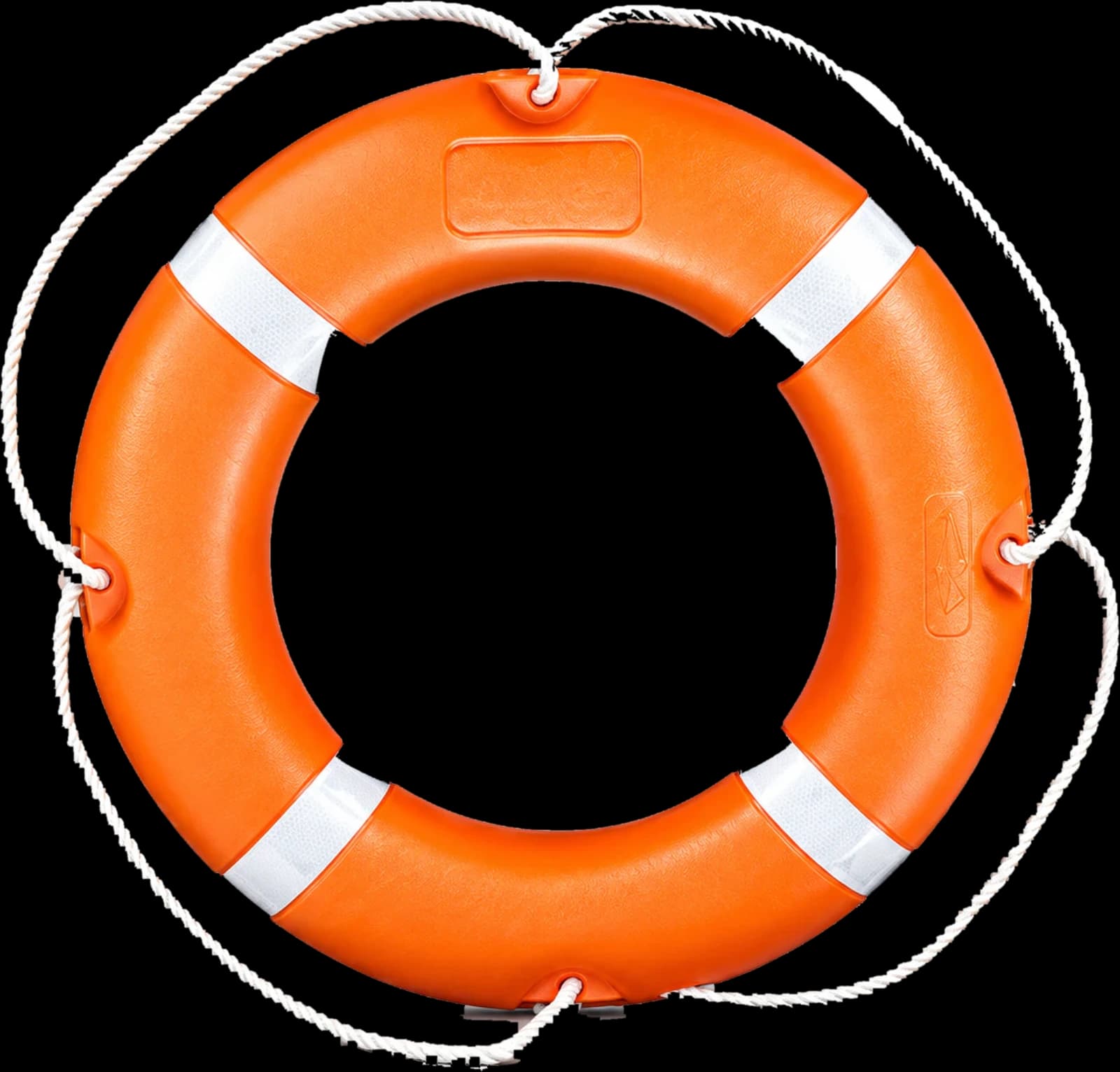
What the International Life-Saving Appliance Code covers, chapter by chapter, from lifebuoys and lifejackets to signals, survival craft and rescue boats.
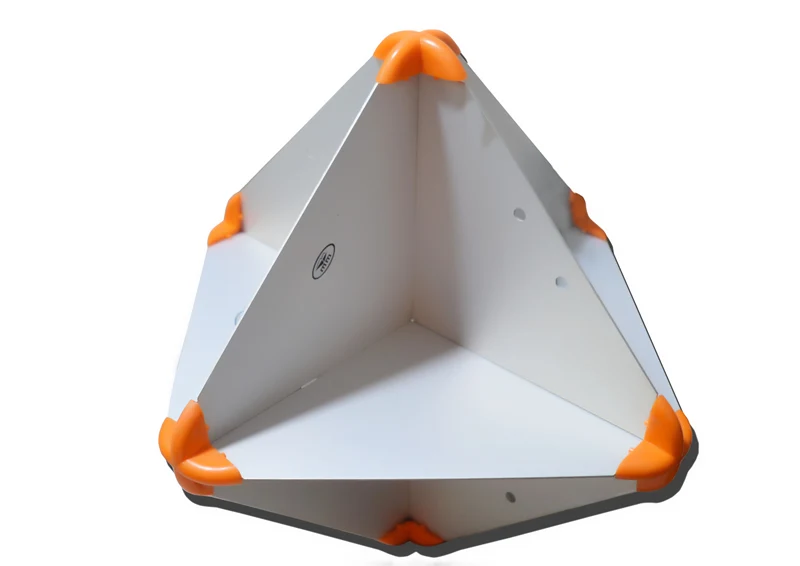
Why wooden and plastic boats are hard for a ship’s radar to see, how a radar reflector fixes it, and how to mount one in the catch-rain position, and how high.
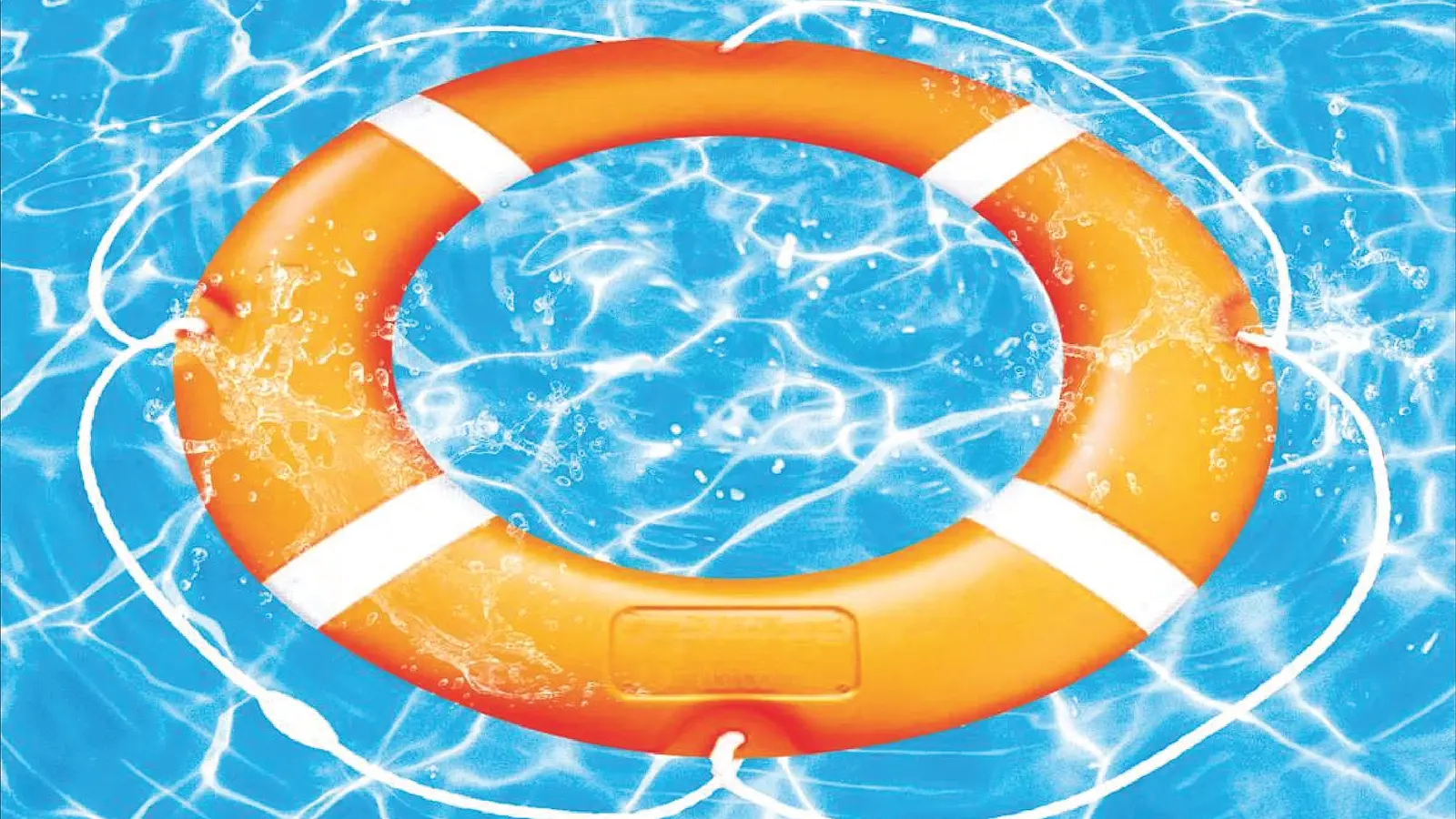
SOLAS lifebuoy rules in plain terms: size and weight limits, the 30 m drop, how many rings a ship carries, and the lights and lines that go with them.
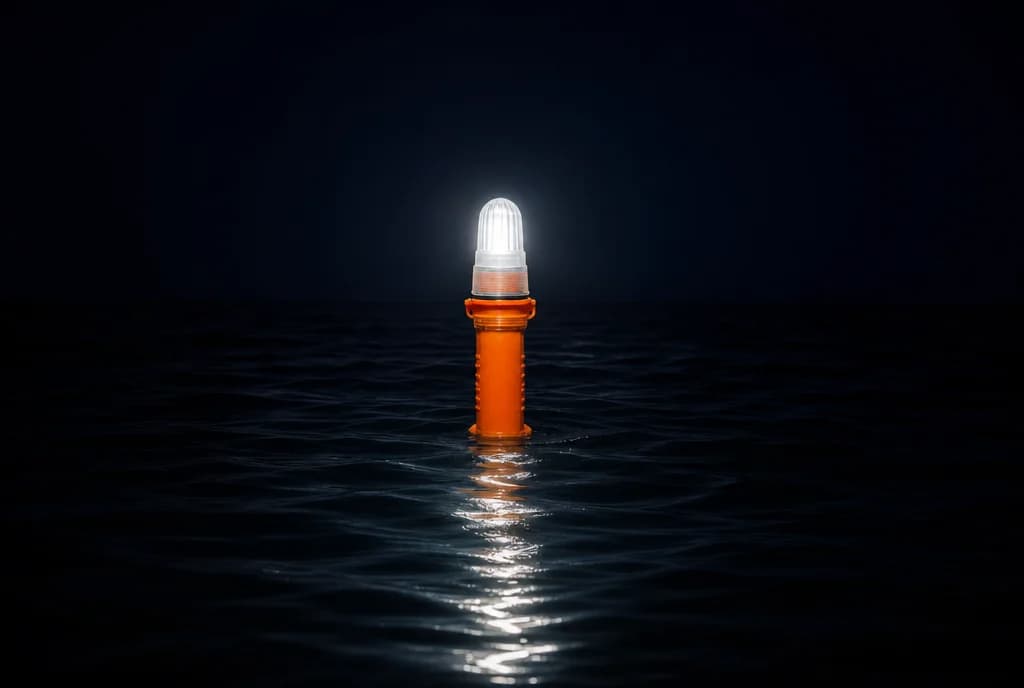
A life jacket light must give 0.75 cd for 8 hours; a lifebuoy light 2 cd for 2 hours. The SOLAS rules for both, how they switch on, and MM’s two lights.
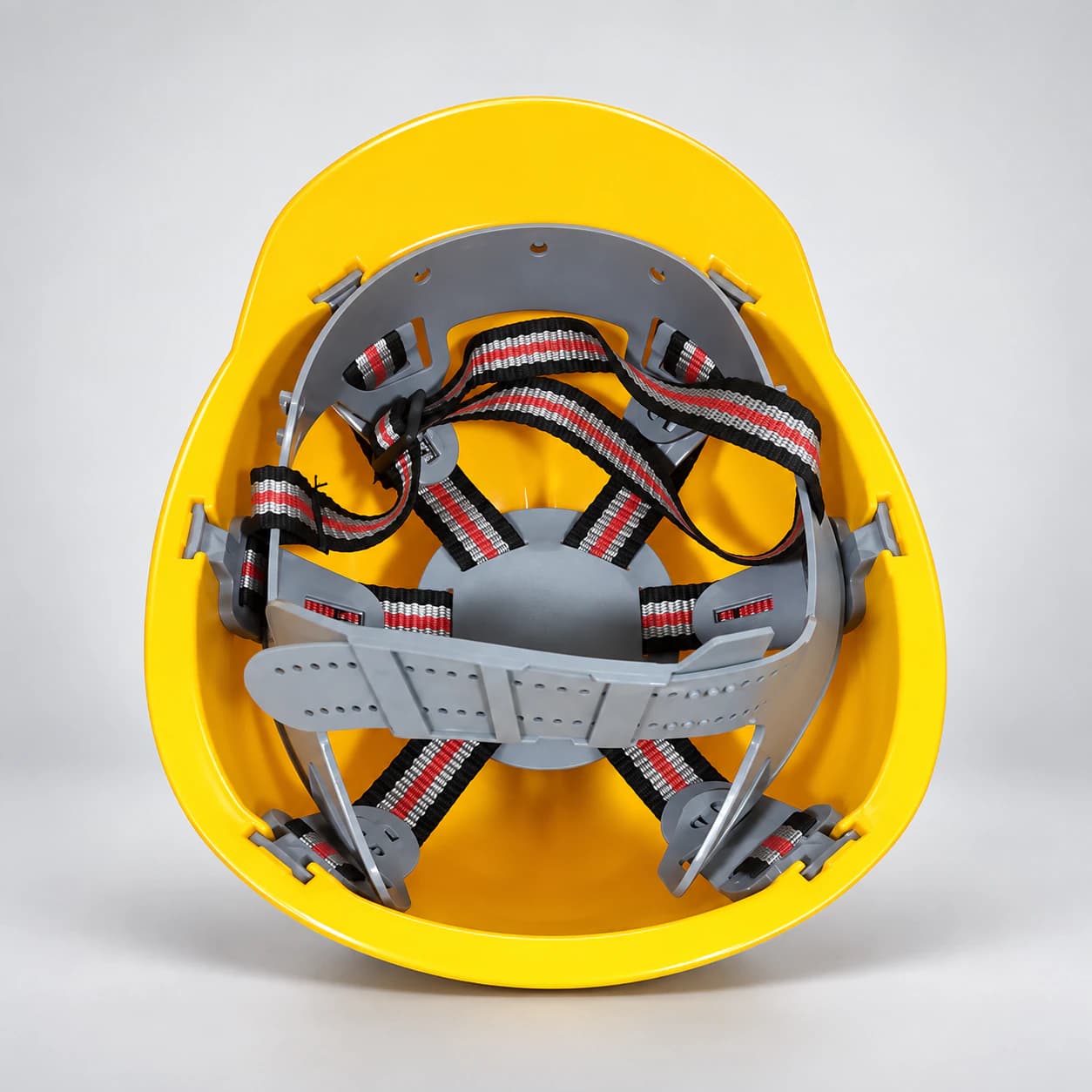
The parts of an industrial safety helmet and what each does: shell, suspension harness, headband, sweatband and chin strap, with MM’s CH01 as the example.
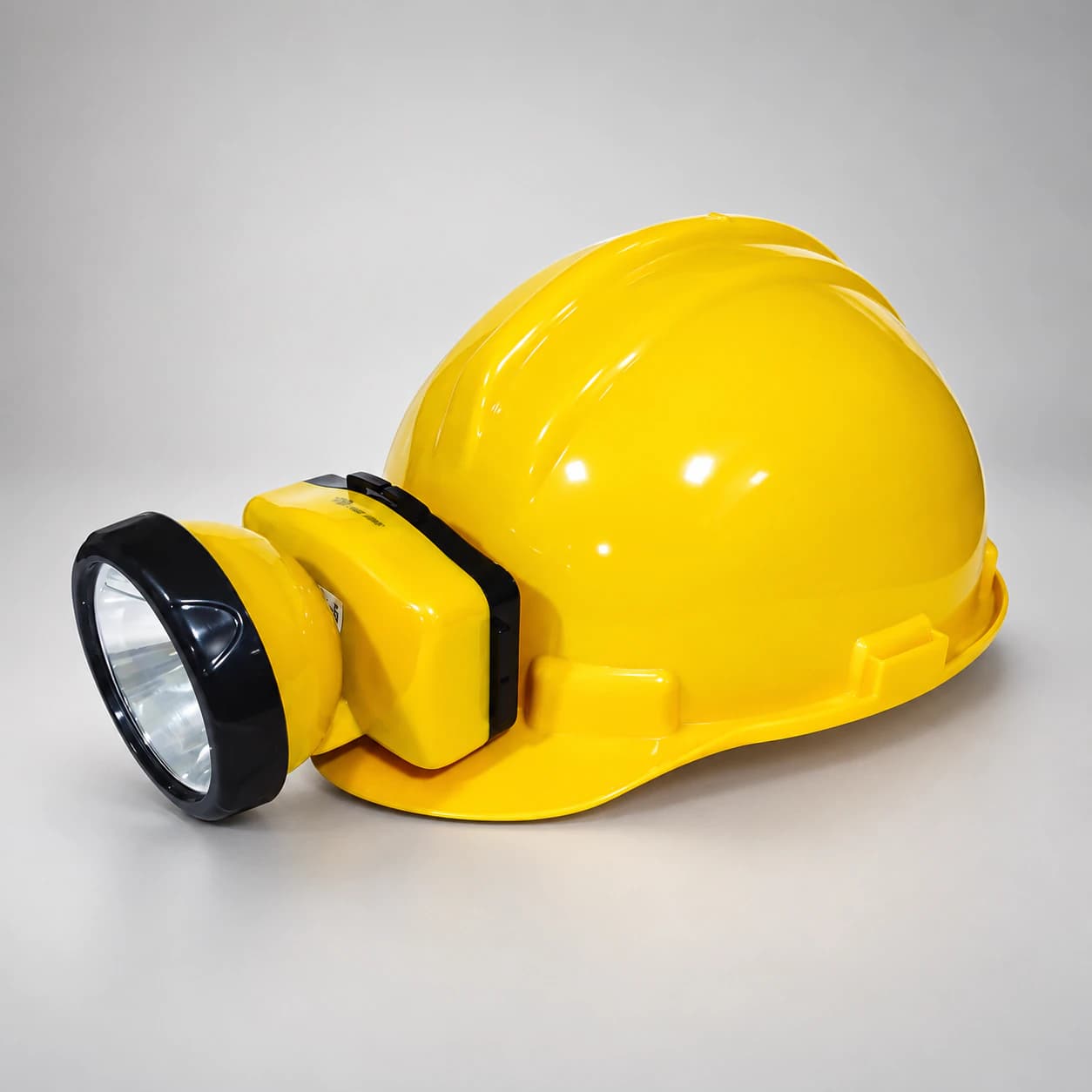
What Type I and II and Classes G, E and C mean under ANSI Z89.1, the optional markings of EN 397, and how both sit beside IS 2925 in India.
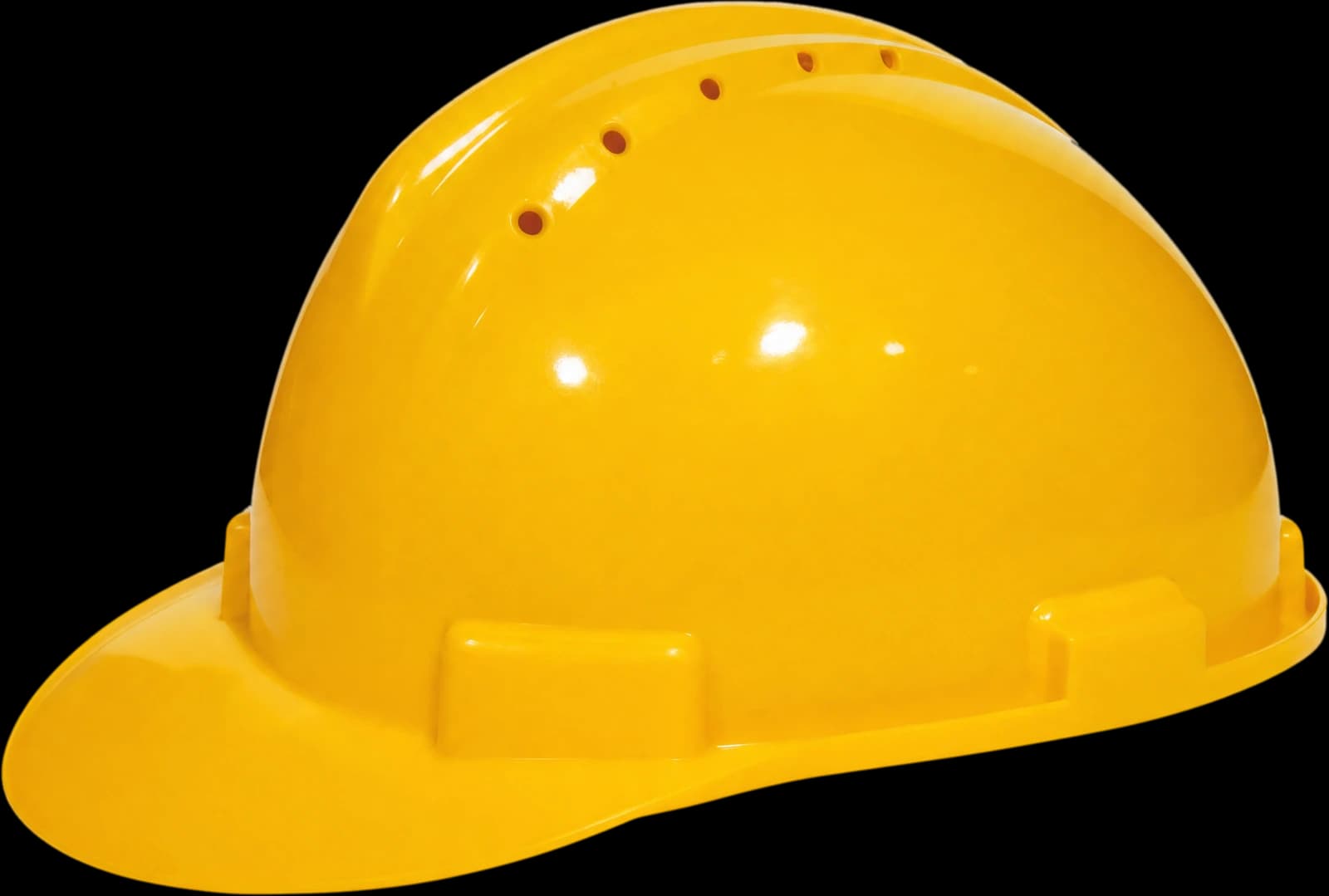
The tests IS 2925 sets for an industrial safety helmet, how to verify an ISI mark’s licence in the BIS Care app, and when a helmet should be replaced.
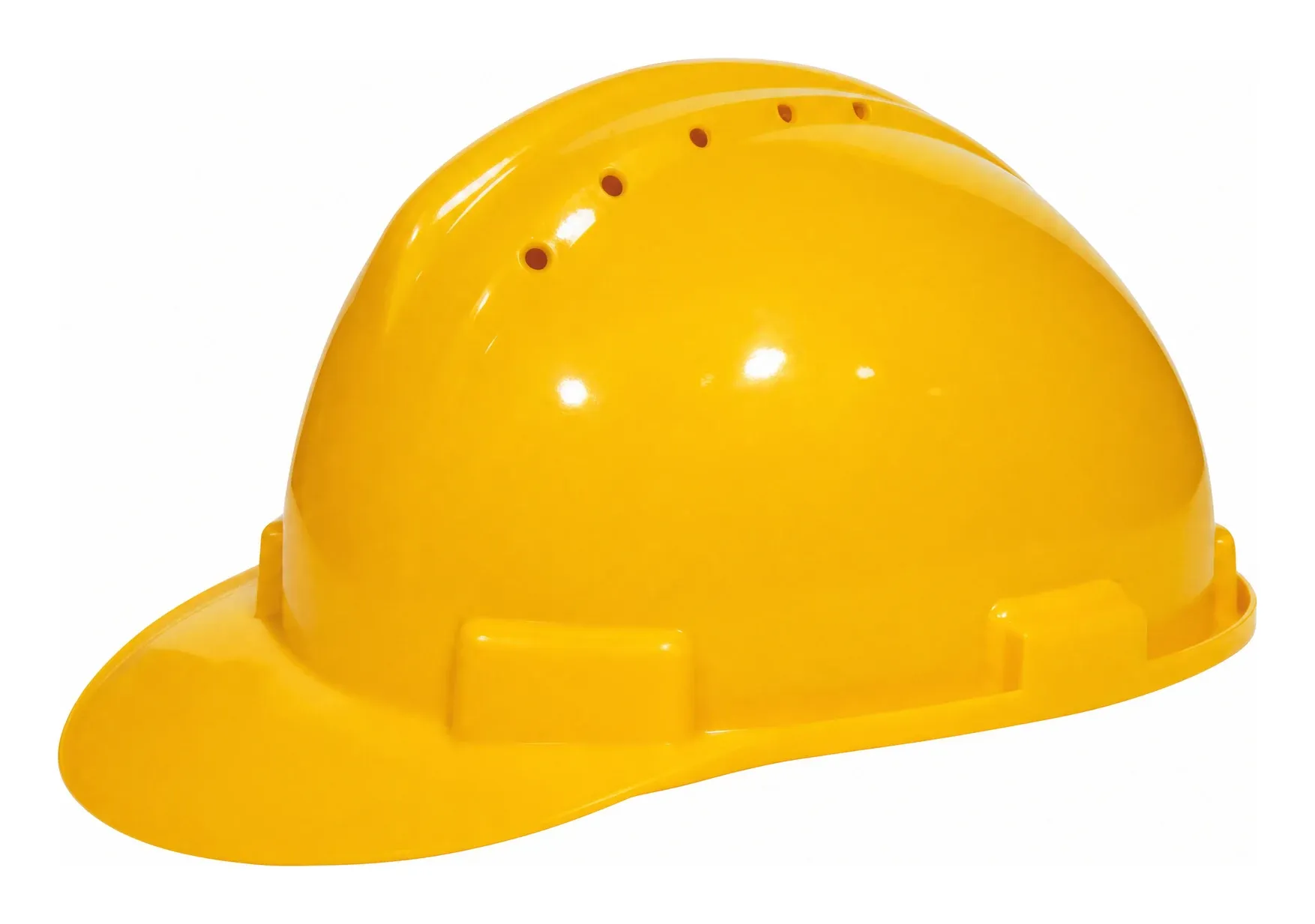
How MM’s two safety helmet models differ: the CH01 with ratchet push-and-pull adjustment and the CH02 nape type, each with or without ventilation.
How purse seining, gill netting and trawling catch fish, how floats and sinkers set each net in the water, and which floats each method uses.
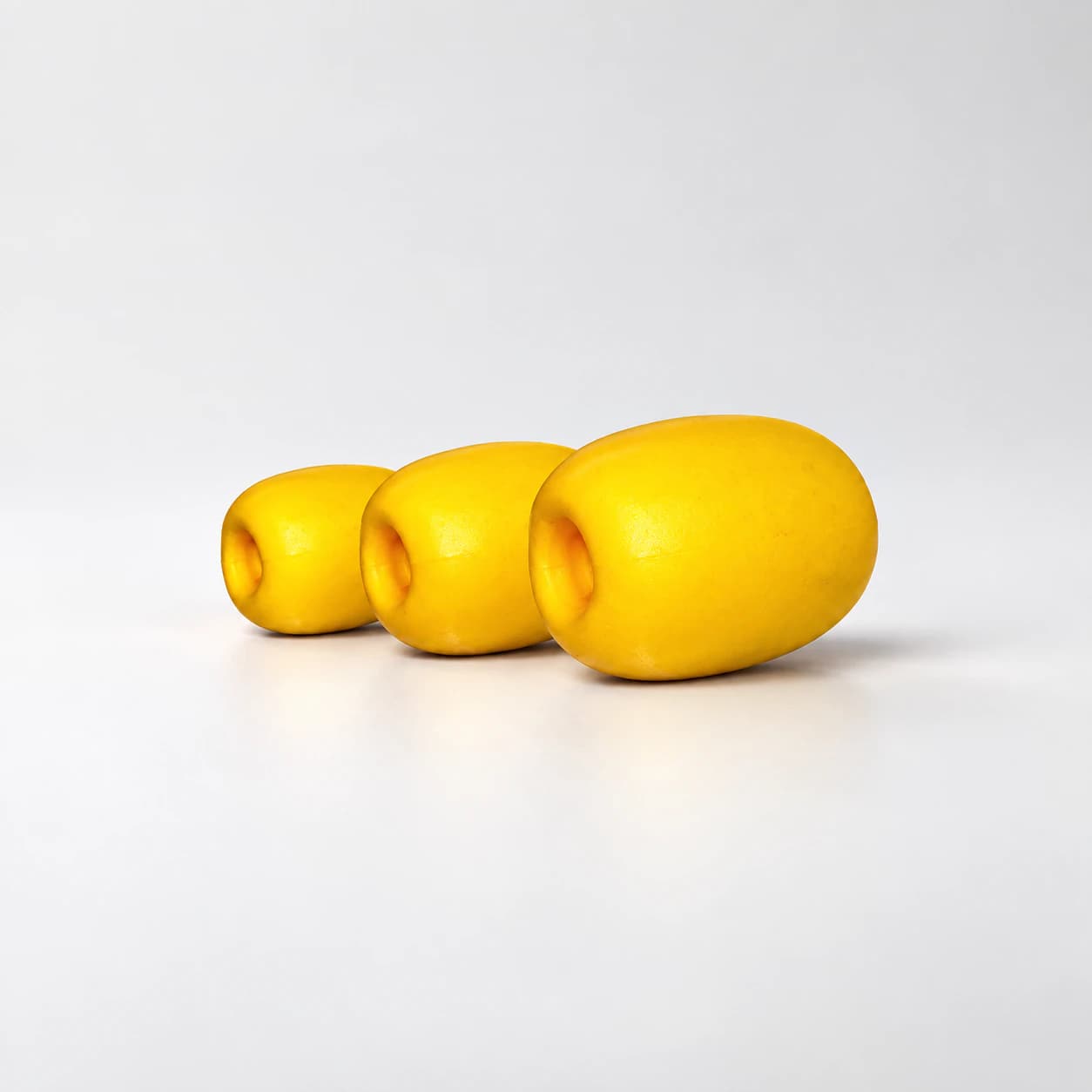
How hollow plastic floats, solid EVA foam floats and pipe floats differ, what each is good for, and the buoyancy MM lists for its floats.
A practical checklist of life-saving and navigation kit for a fishing boat: life jackets, a lifebuoy ring, lights, radar reflector, bilge pump and fire blanket.
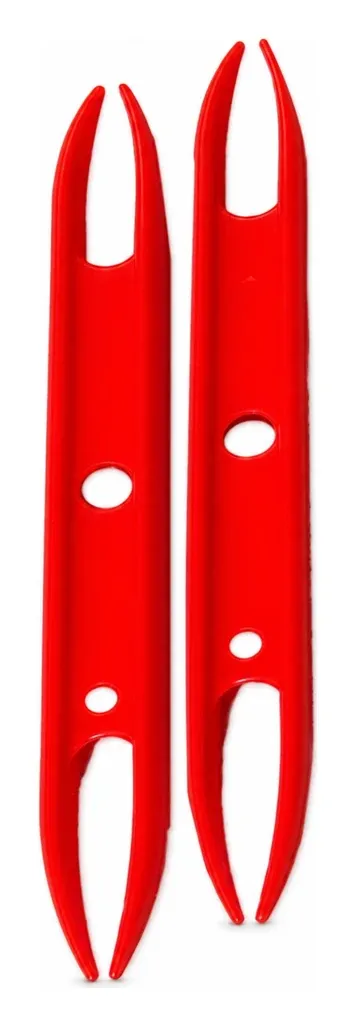
The fishing hardware MM lists beside its floats: nylon and PP pulleys, the well pulley, net mending needles, the hand caster and the Scorpio flashing light.
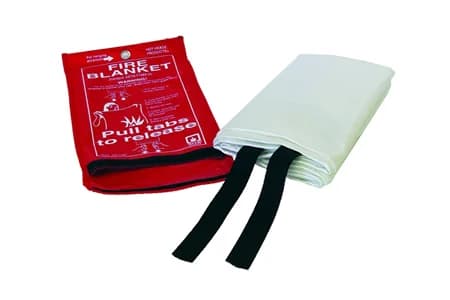
How to put out a pan fire with a fire blanket, how long to leave it, the mistakes that spread a fire, and where to keep one on a boat or in a kitchen.
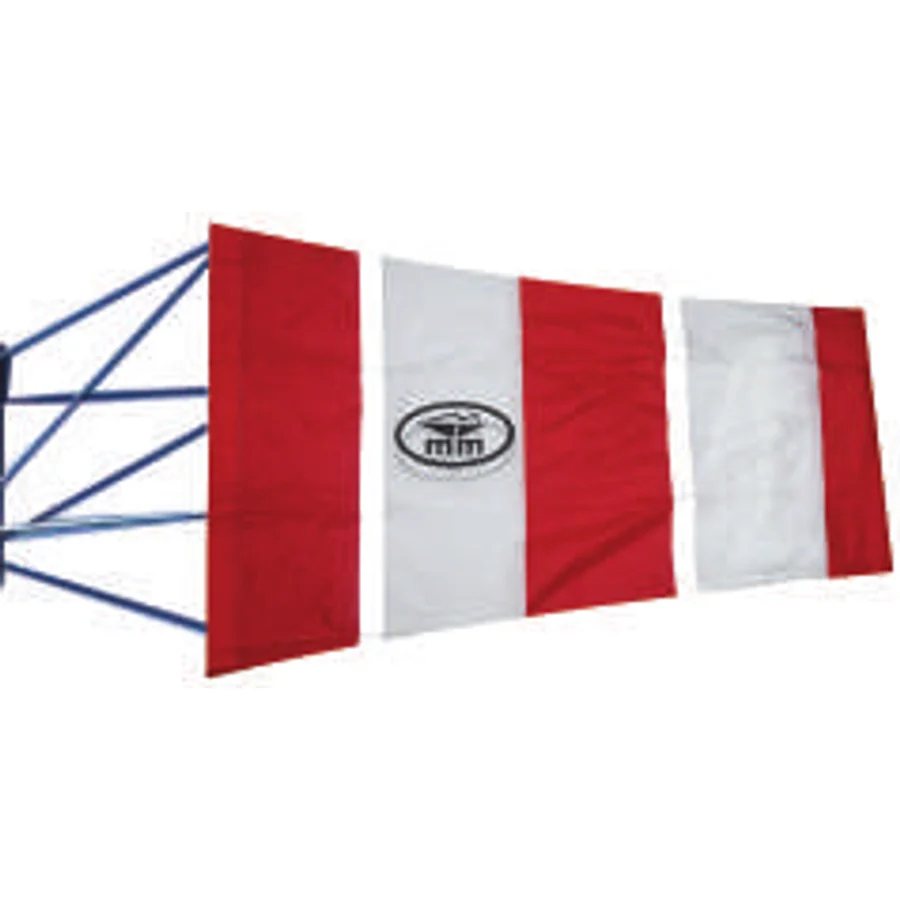
A wind sock shows where the wind blows from and roughly how strong it is: how to read the stripes, where to mount one, and what to check in use.
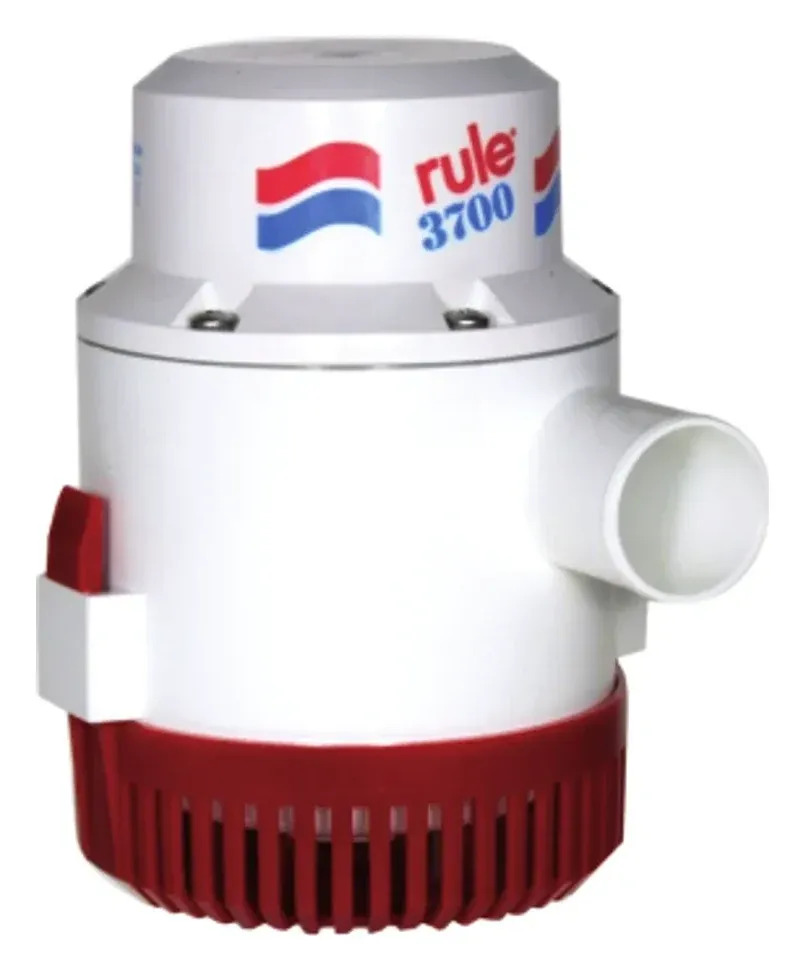
Why a bilge pump never delivers its rated GPH, how lift, hose and voltage cut the flow, and how a float switch runs the pump when no one is aboard.
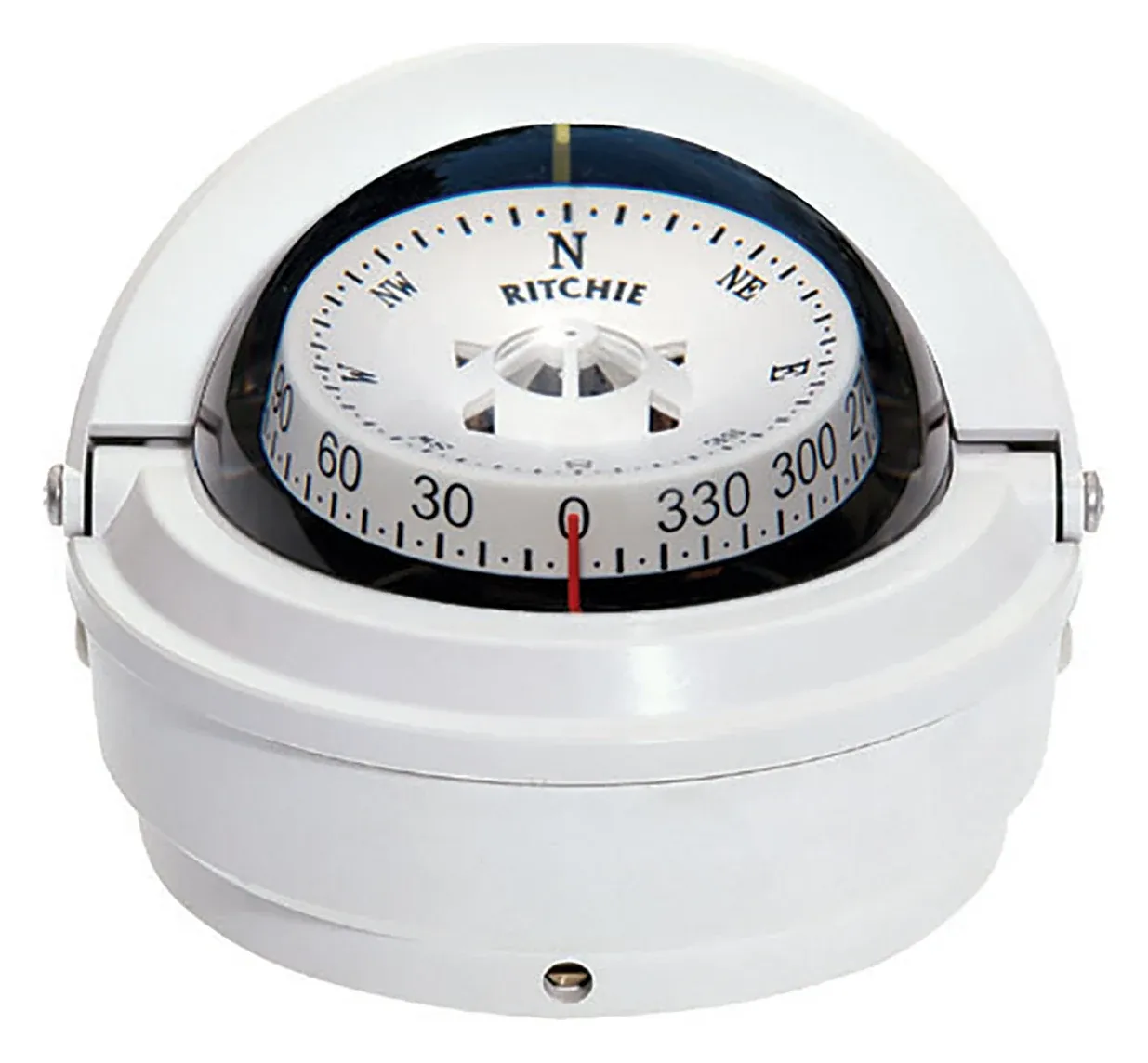
How a boat steering compass mounts and is lit at night, with the Ritchie bracket and surface mounts and the Navtech 35 and 65 that MM lists.
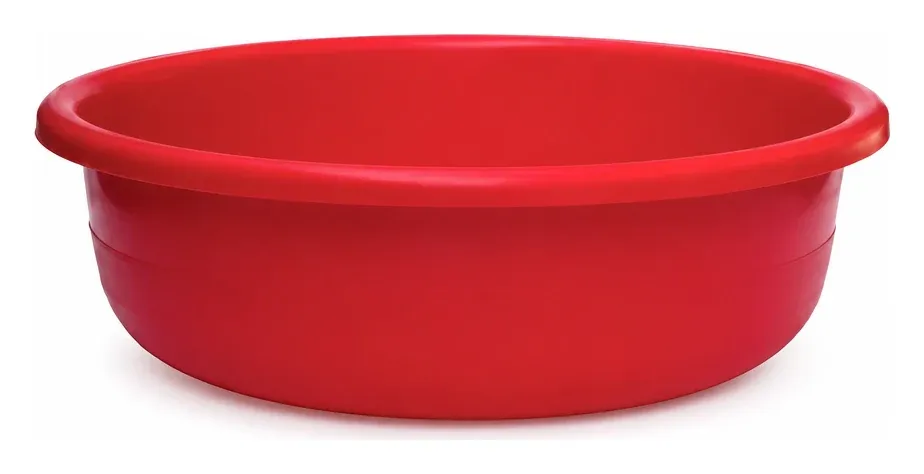
MM’s plastic tubs from 14″ to 24″, mesh baskets from 11″ to 21″ and the 23″ fishing bucket, with their virgin and eco grades and handle options, in one place.
Who will wear it, on what water, under which rules, foam or inflatable, and with what extras: five questions that lead to the right life jacket.
For fleets, ports, agencies and tenders: eight checks on a life jacket quote, from the approval and certificate to user weight, sizes, marking and documents.
What the International Life-Saving Appliance Code covers, chapter by chapter, from lifebuoys and lifejackets to signals, survival craft and rescue boats.
What Type I and II and Classes G, E and C mean under ANSI Z89.1, the optional markings of EN 397, and how both sit beside IS 2925 in India.
SOLAS lifebuoy rules in plain terms: size and weight limits, the 30 m drop, how many rings a ship carries, and the lights and lines that go with them.
What the LSA Code asks of a SOLAS life jacket: the 4.5 m jump, turning a wearer face-up in 5 seconds, 120 mm of freeboard, the light, the whistle and the sizes.
A life jacket light must give 0.75 cd for 8 hours; a lifebuoy light 2 cd for 2 hours. The SOLAS rules for both, how they switch on, and MM’s two lights.
The tests IS 2925 sets for an industrial safety helmet, how to verify an ISI mark’s licence in the BIS Care app, and when a helmet should be replaced.
Foam life jackets carry no fixed expiry date. What SOLAS asks for inspection and servicing, a checklist for each jacket, and the signs it must be replaced.
Looking for the standards behind a specification? The buyer guides explain PFD types, buoyancy, SOLAS approvals, floats, navigation lights and GeM.