


 Vasai, Maharashtra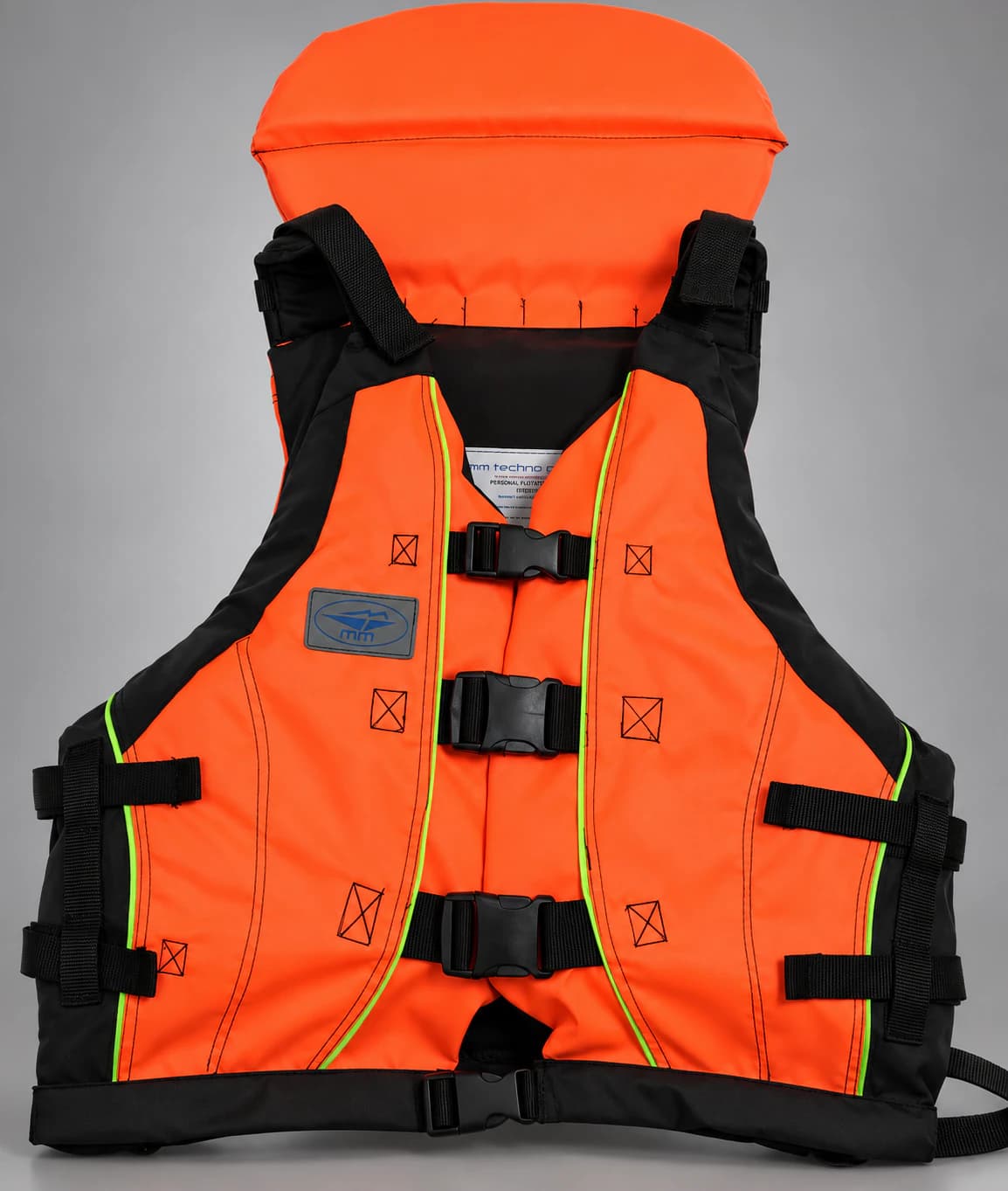
Every life jacket floats its wearer on something lighter than water. A foam jacket carries it all the time; an inflatable carries it folded flat, as gas waiting to be released. That one difference decides comfort, care and who should wear which.
Foam: buoyant the moment it touches water
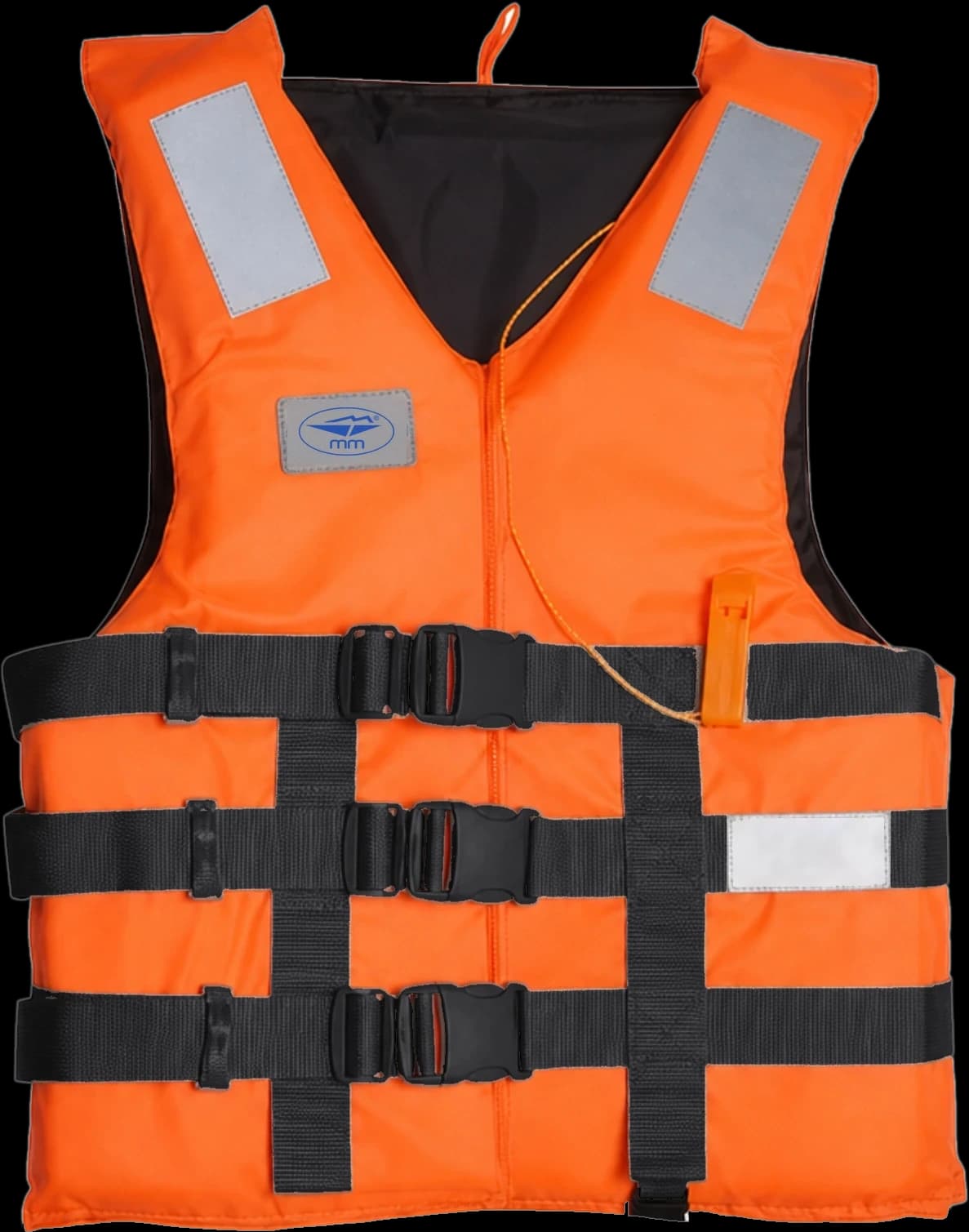
Foam needs nothing to happen: the jacket floats whether the wearer is awake, injured or unconscious. It needs no servicing beyond inspection, and it takes knocks and snags on a working deck. It is bulkier and warmer to wear.
Inflatable: slim until it is needed
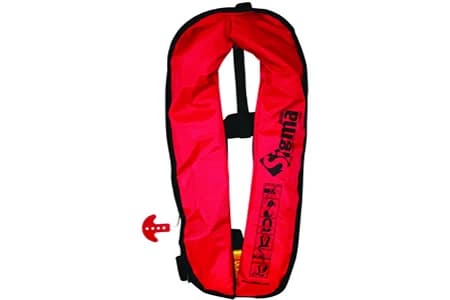
An inflatable jacket is a folded bladder with a gas cylinder. A manual jacket inflates when the wearer pulls a toggle; an automatic one fires by itself when a water-sensitive trigger is submerged, and usually keeps the toggle as a back-up, with a tube to top it up by mouth. It is light and cool to wear all day, which is why crews who must wear a jacket for hours often prefer one.
An inflatable needs servicing
Under SOLAS, inflatable life jackets are serviced at an approved servicing station at intervals of no more than 12 months, which the administration may extend to 17. Between services, check that the cylinder is screwed home and the trigger’s indicator shows it is armed. A fired jacket needs a re-arming kit before it can be used again.
Who should wear foam
- Children. The US Coast Guard, for one, approves inflatable life jackets only for wearers aged 16 and over.
- Non-swimmers, and anyone who may not be able to pull a toggle.
- People who will wear a jacket once, at an event or on a ferry, and will not look after it.
- Crews working among hooks, nets and sharp edges that could puncture a bladder.
And a buoyancy aid?
A buoyancy aid is the 50 N class of EN ISO 12402: for swimmers in sheltered water with help close by. It keeps a conscious swimmer afloat but is not designed to turn anyone face-up, so it is not a life jacket. The PFD types guide sets out every class.
In MM’s range
MM lists an inflatable life jacket alongside its foam jackets and work vests. The foam range, with each model’s buoyancy and user weight, is in the range table.
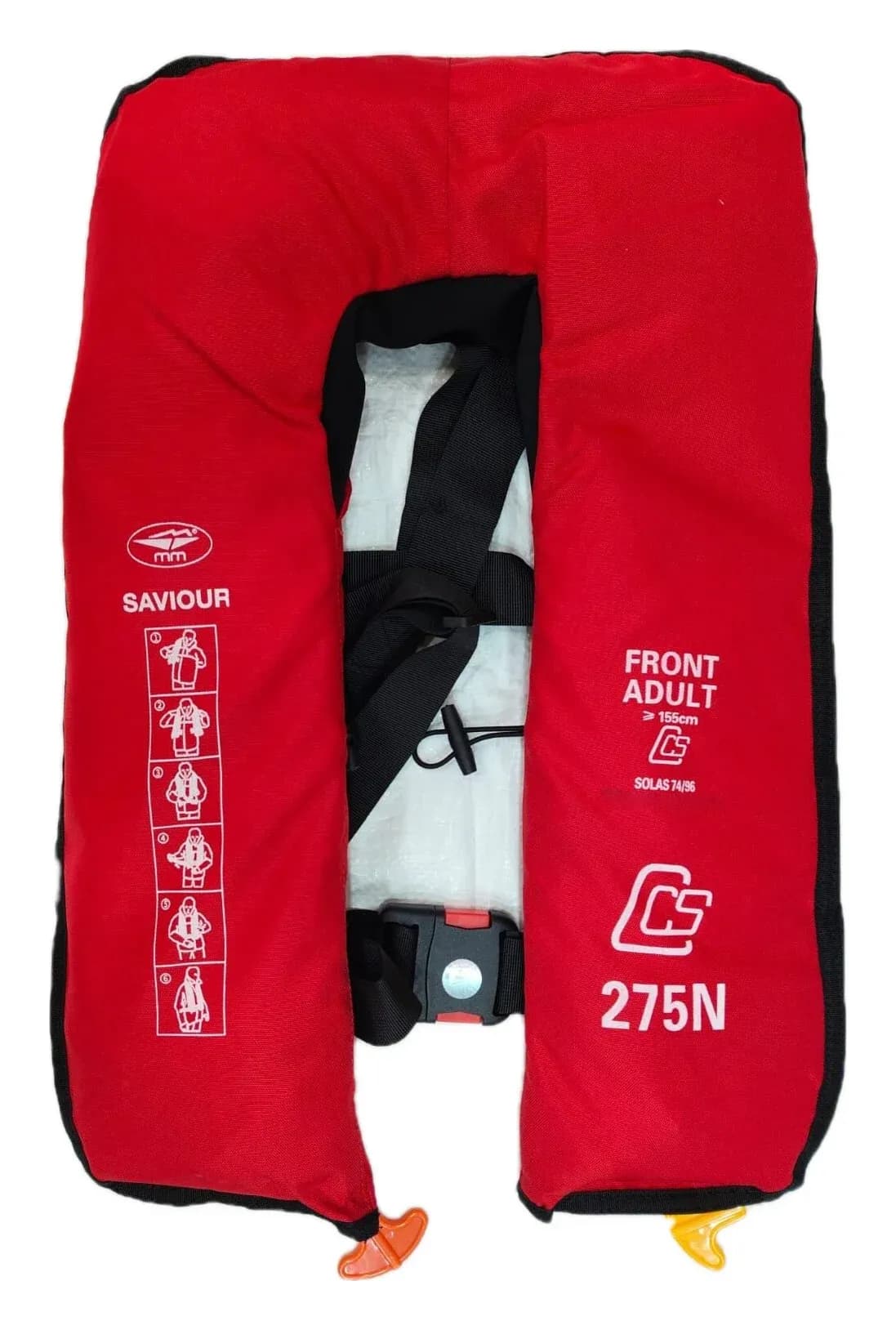
MM Inflatable Life Jacket Model: Saviour
Model Saviour
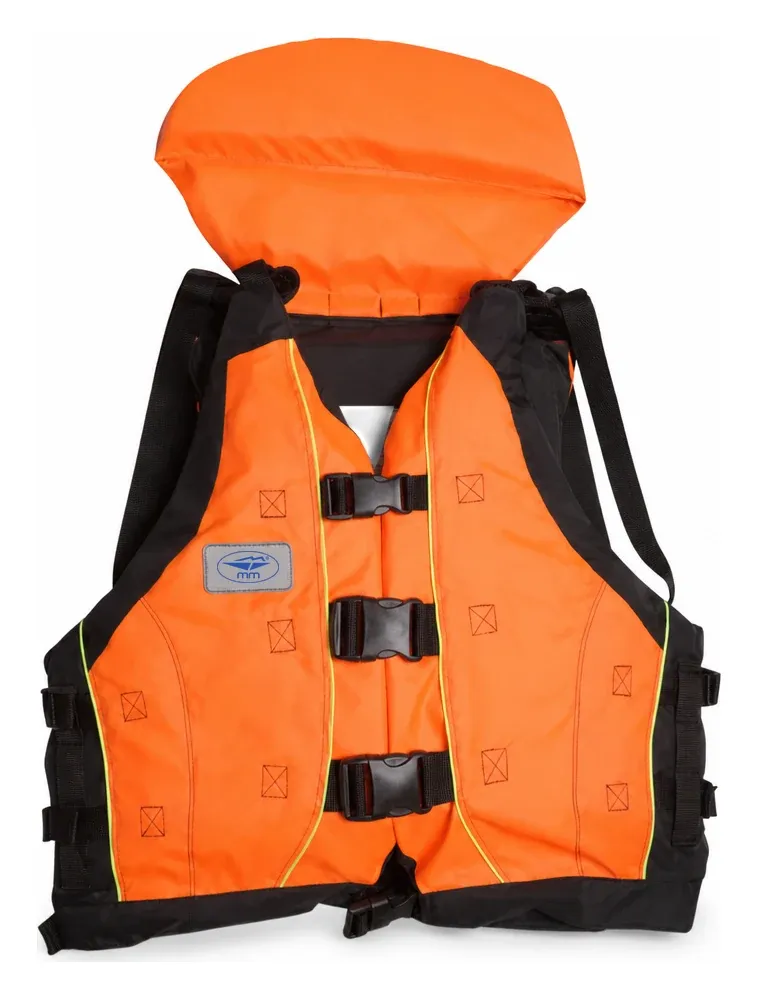
MM Life Jacket Model: Stellar
Model STELLAR
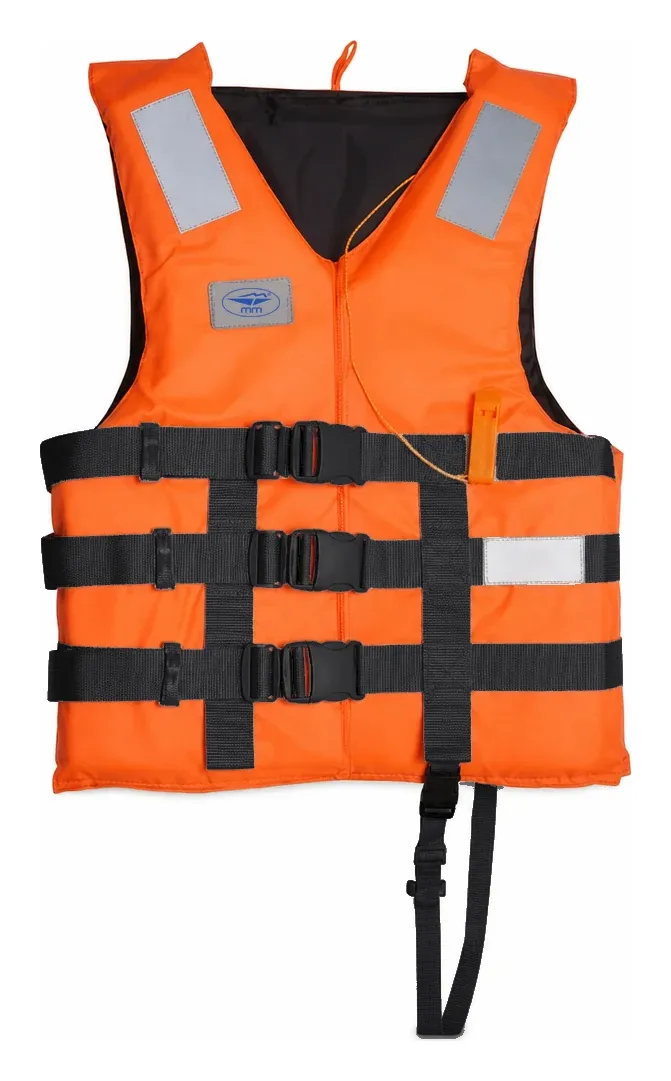
MM Life Jacket Model: Sea Master
Model SEA MASTER