


 Vasai, Maharashtra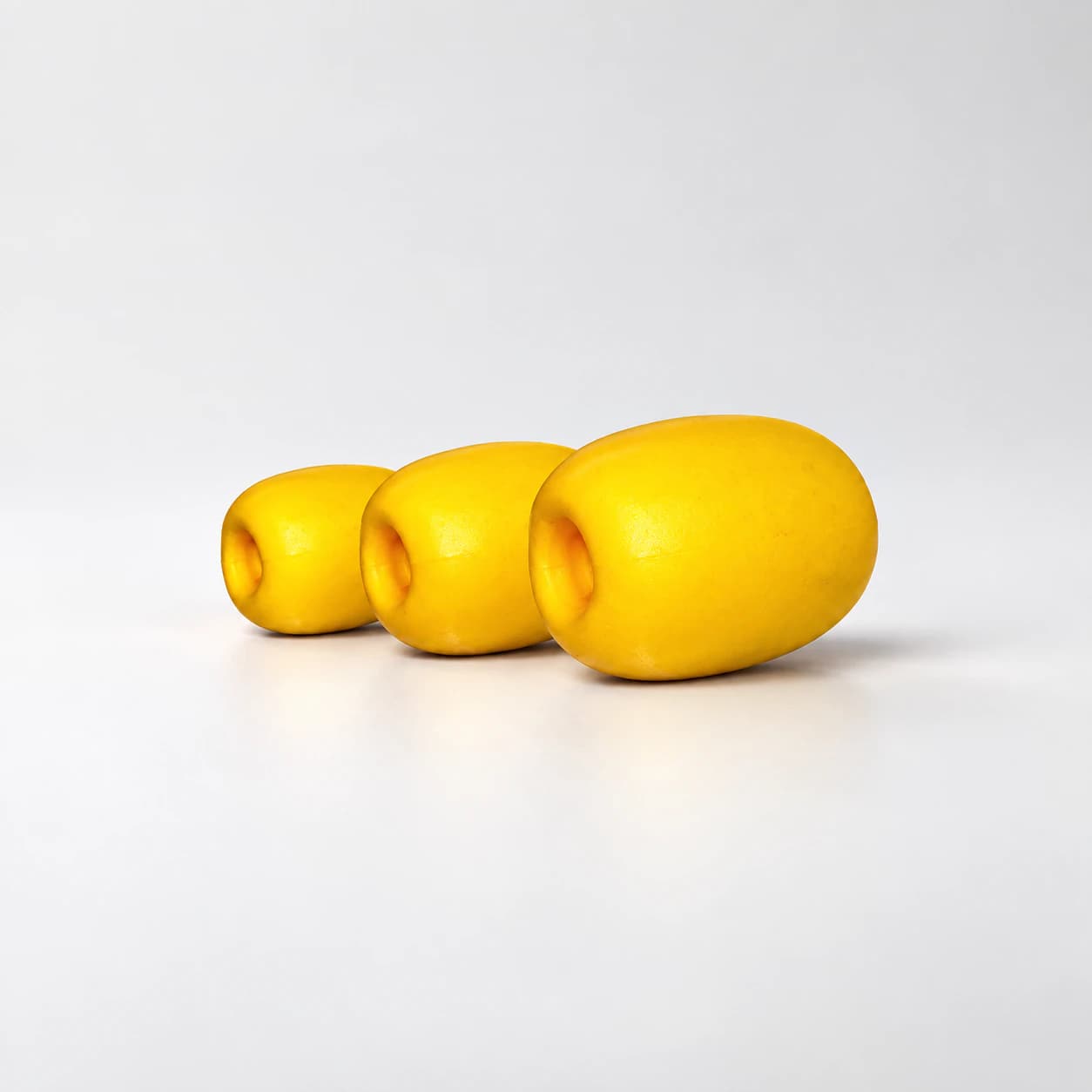
A float’s job is simple: lift. How it lifts, and what happens when it is knocked, crushed or nicked, depends on what it is made of. These are the main kinds MM lists.
Hard plastic floats
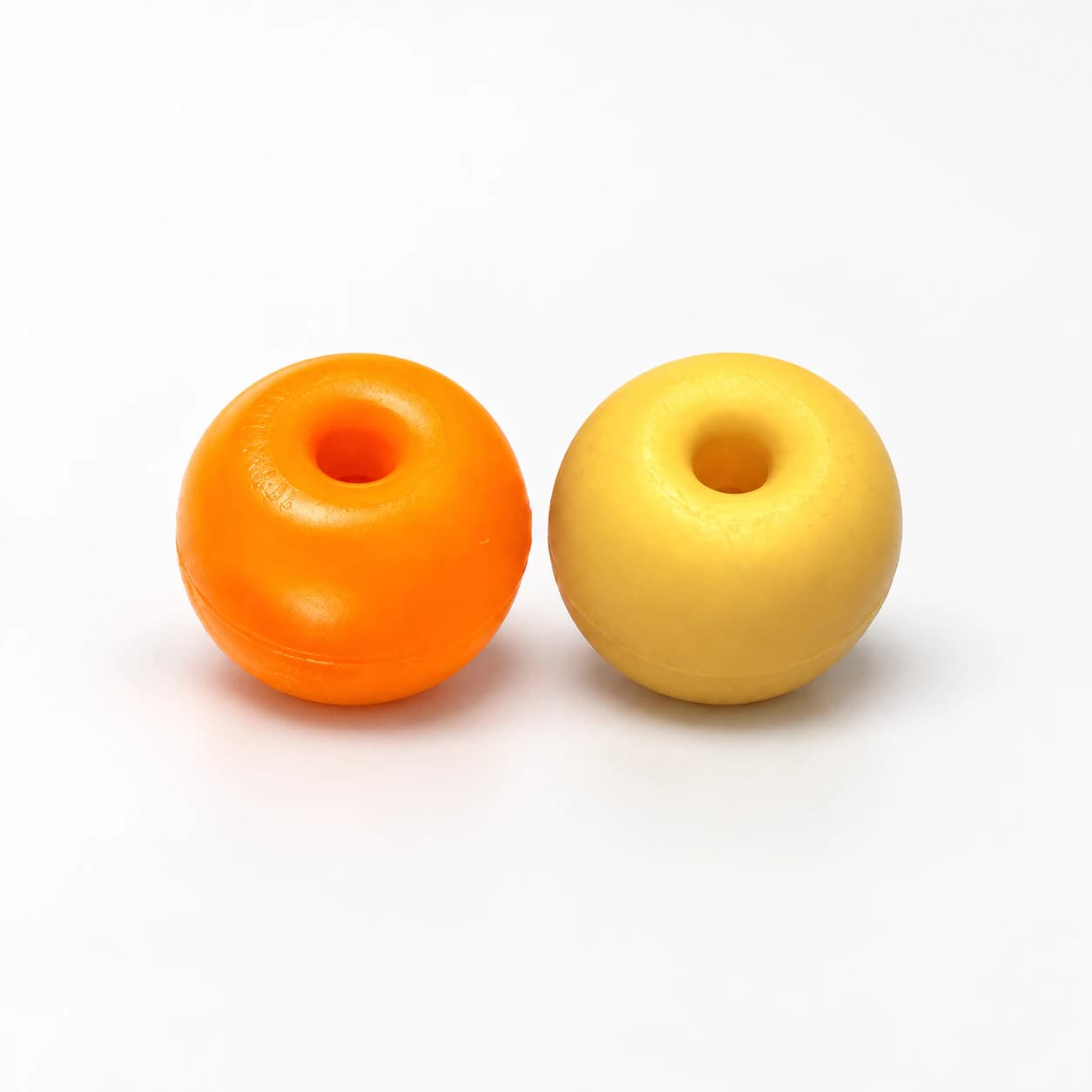
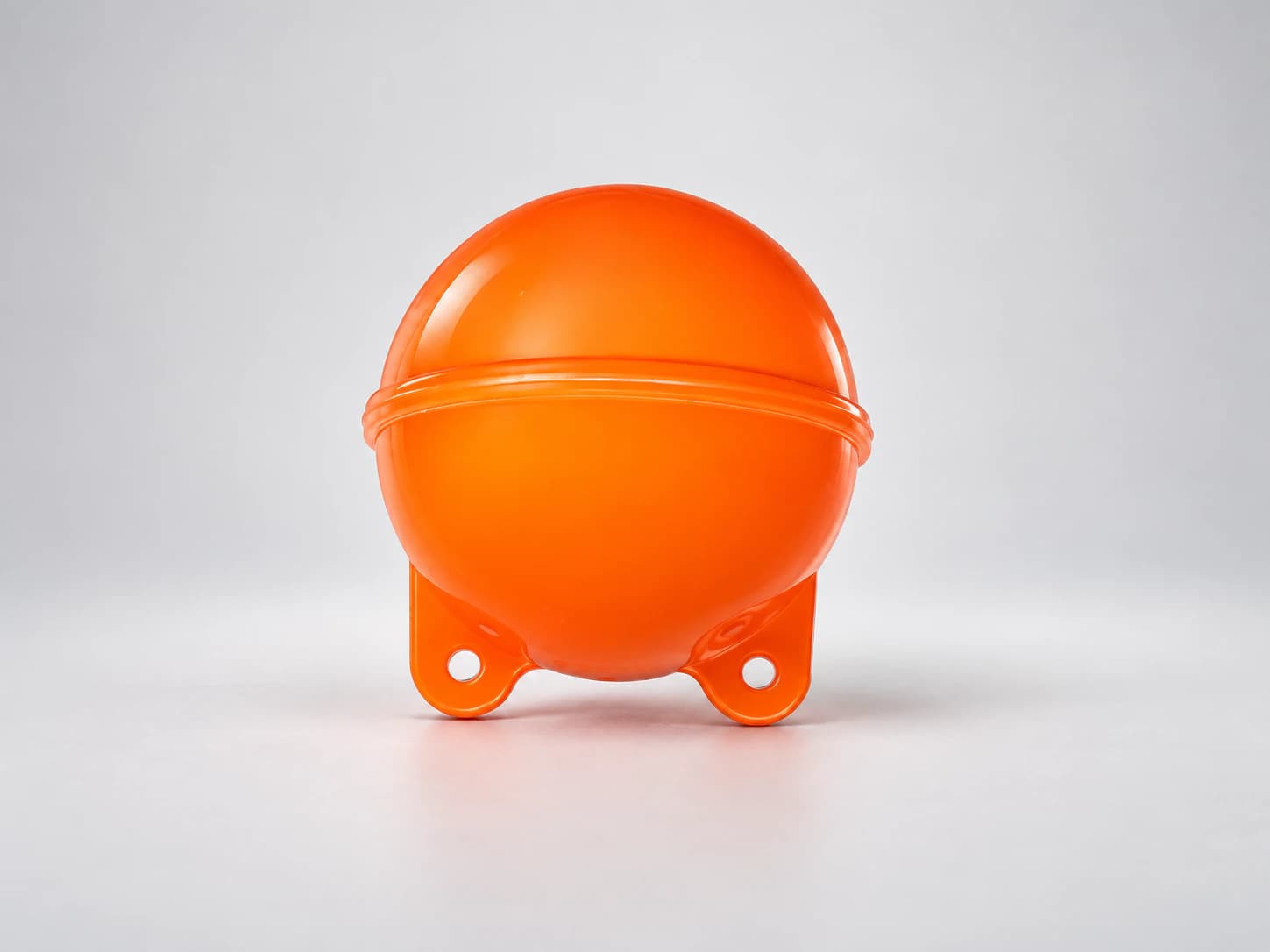
Globe, plain and Micky Mouse floats are hard plastic shells, and their lift comes from the air sealed inside. They carry a lot of buoyancy for their weight: MM lists its 8″ globe float at 710 g with 4,000 g of buoyancy. A crack that lets water in costs that lift, so damaged floats should come off the net.
EVA foam floats
EVA floats are solid closed-cell foam, with no air chamber to flood. A cut or a nick does not let them fill with water, and they give a little when knocked. Like apple floats, they are usually threaded on the line through a centre hole.
Pipe floats
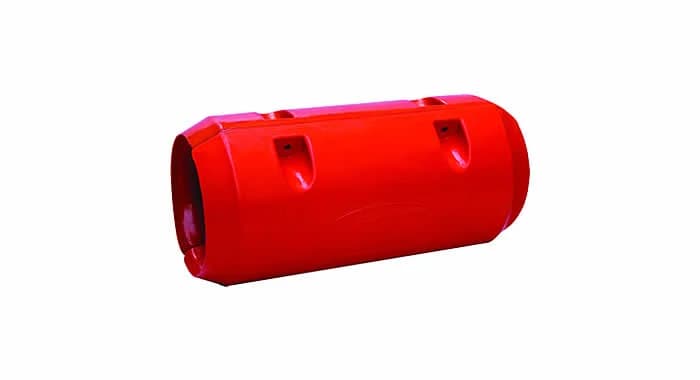
A pipe float carries a hose or pipe on the surface rather than a net. MM lists a 600 mm pipe float, 300 mm across and 4.0 kg, with 22 kg of reserve buoyancy, for hoses of 50 to 80 mm or 80 to 130 mm outside diameter.
Virgin or eco grade?
Several MM floats are listed in two grades: virgin, from new material, and regular or eco. Ask which grade a quote is for, as it is for tubs and baskets.
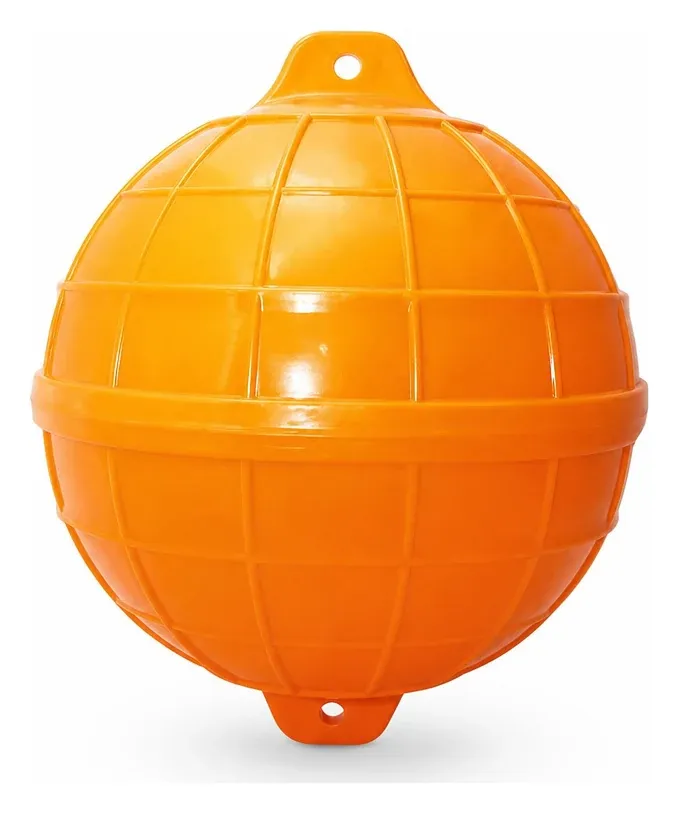
Globe with Top & Bottom Eyelets
Commercial Fishing
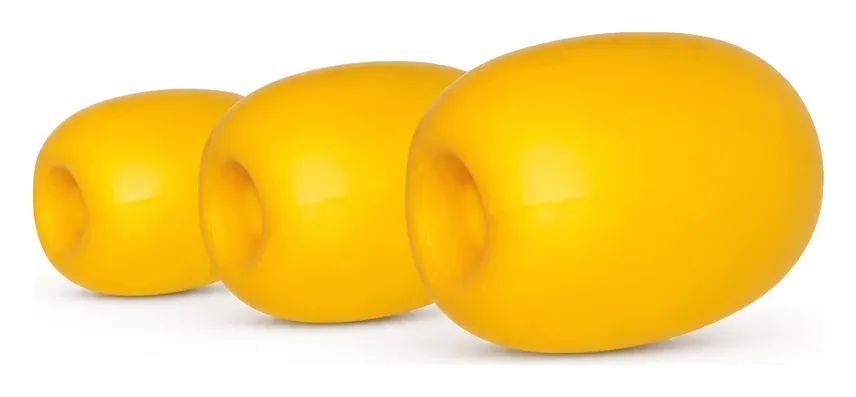
EVA Floats
Commercial Fishing
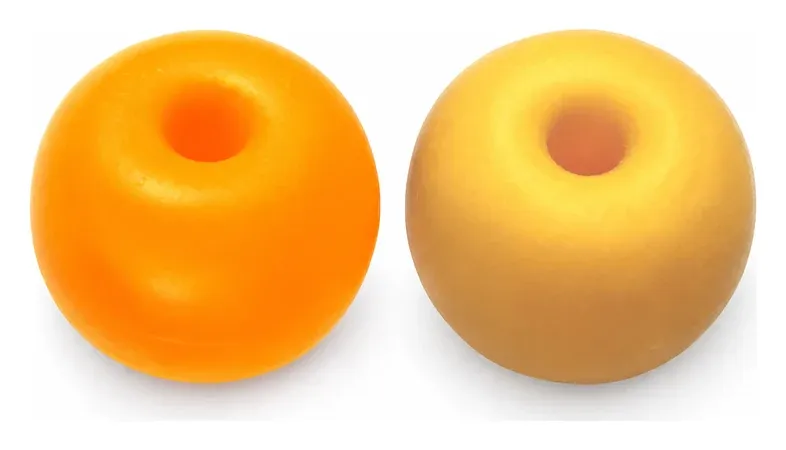
Apple Fishnet Float
Commercial Fishing
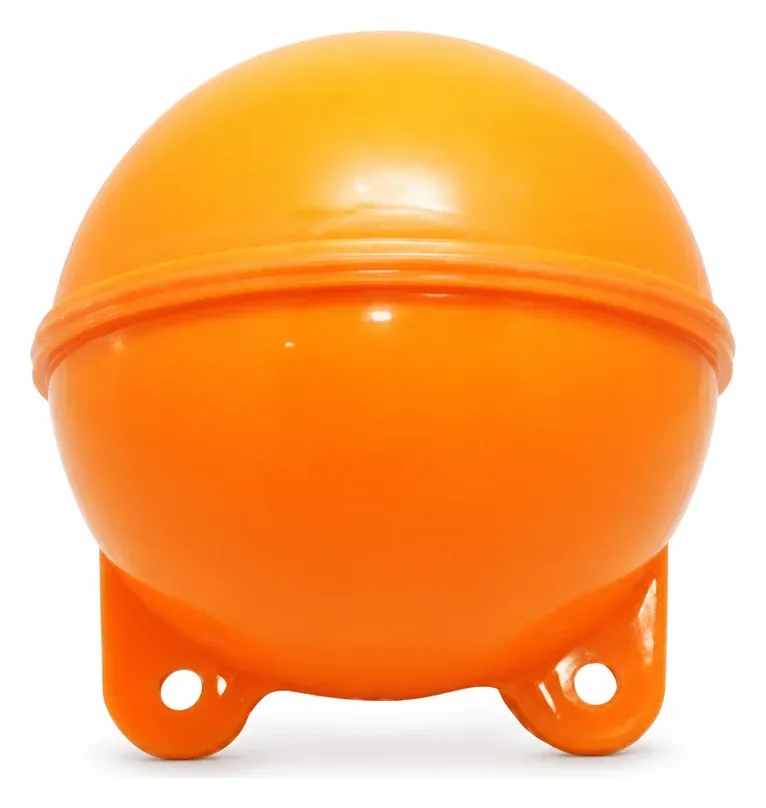
Micky Mouse Float
Commercial Fishing
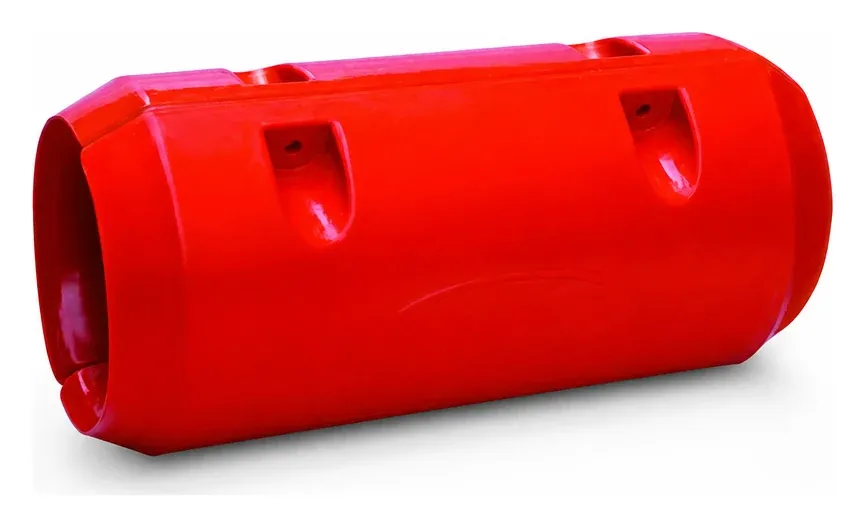
Pipe Float
Commercial Fishing
Which net takes which float: purse seine, gill net and trawl and choosing fishnet floats. Need a size we don’t list, or your own part? Tell us what you need, or message us on WhatsApp.