


 Vasai, Maharashtra
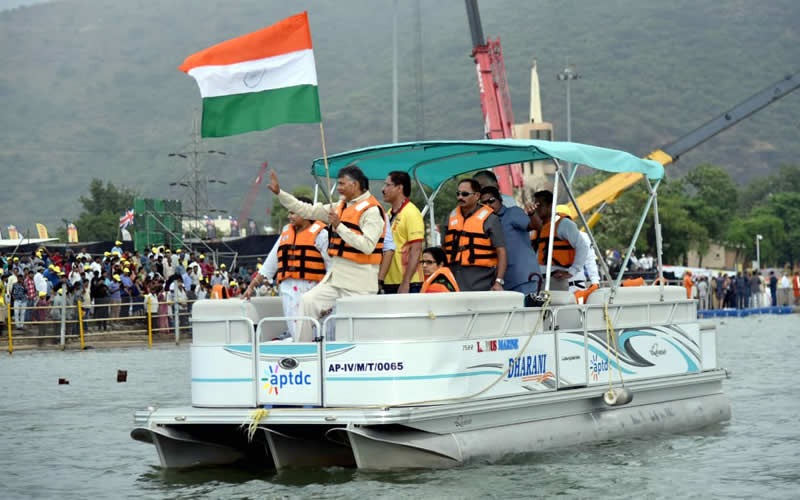
What a fishing boat must carry is set by the authority that registers and licenses it, and it changes with the boat’s size and how far out it fishes. Check that list first.
For every person on board
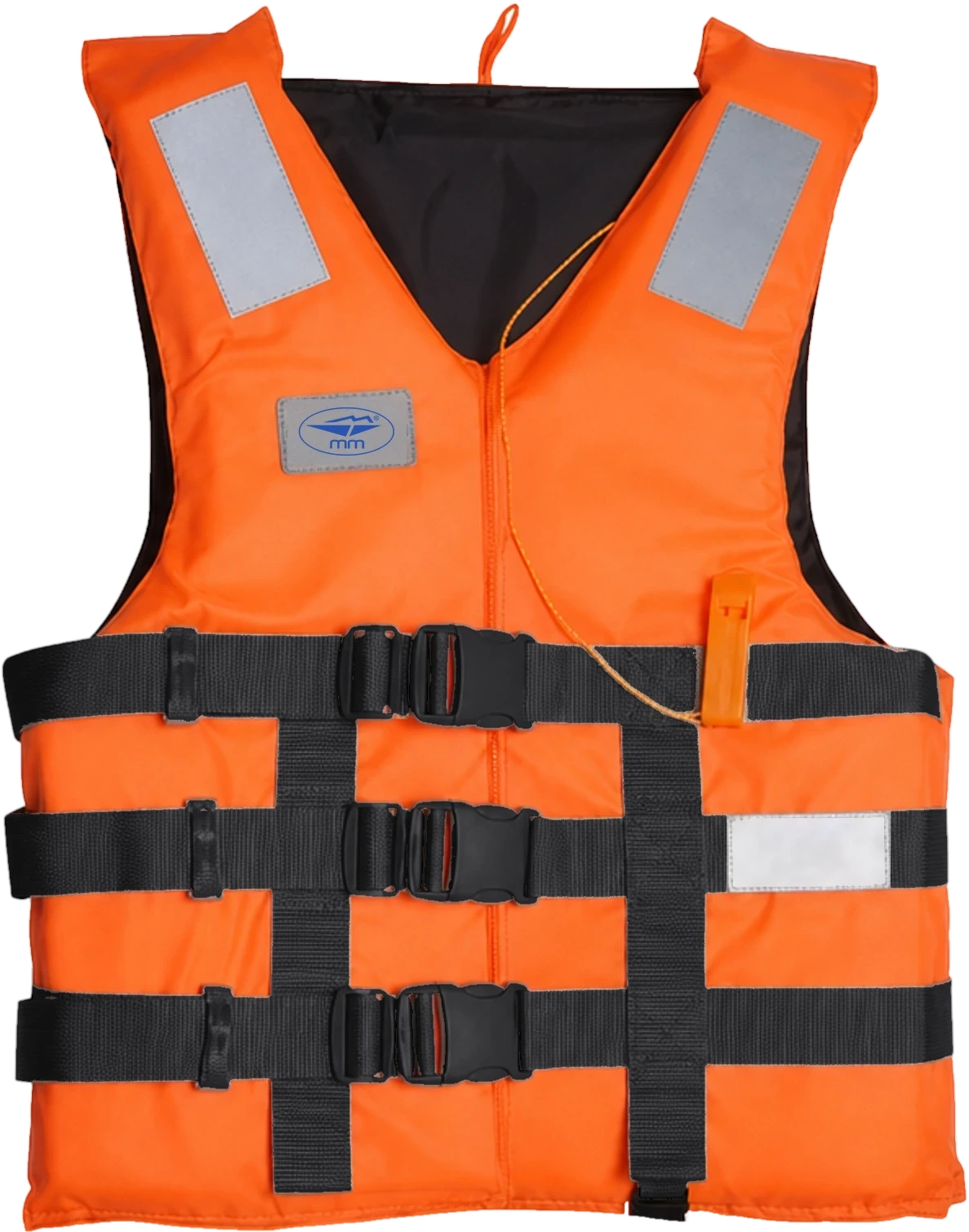
- A life jacket sized for its wearer, worn on deck: see sizes by weight and PFD types.
- A whistle and a light on each jacket, for a person in the water at night.
For the person who goes over the side
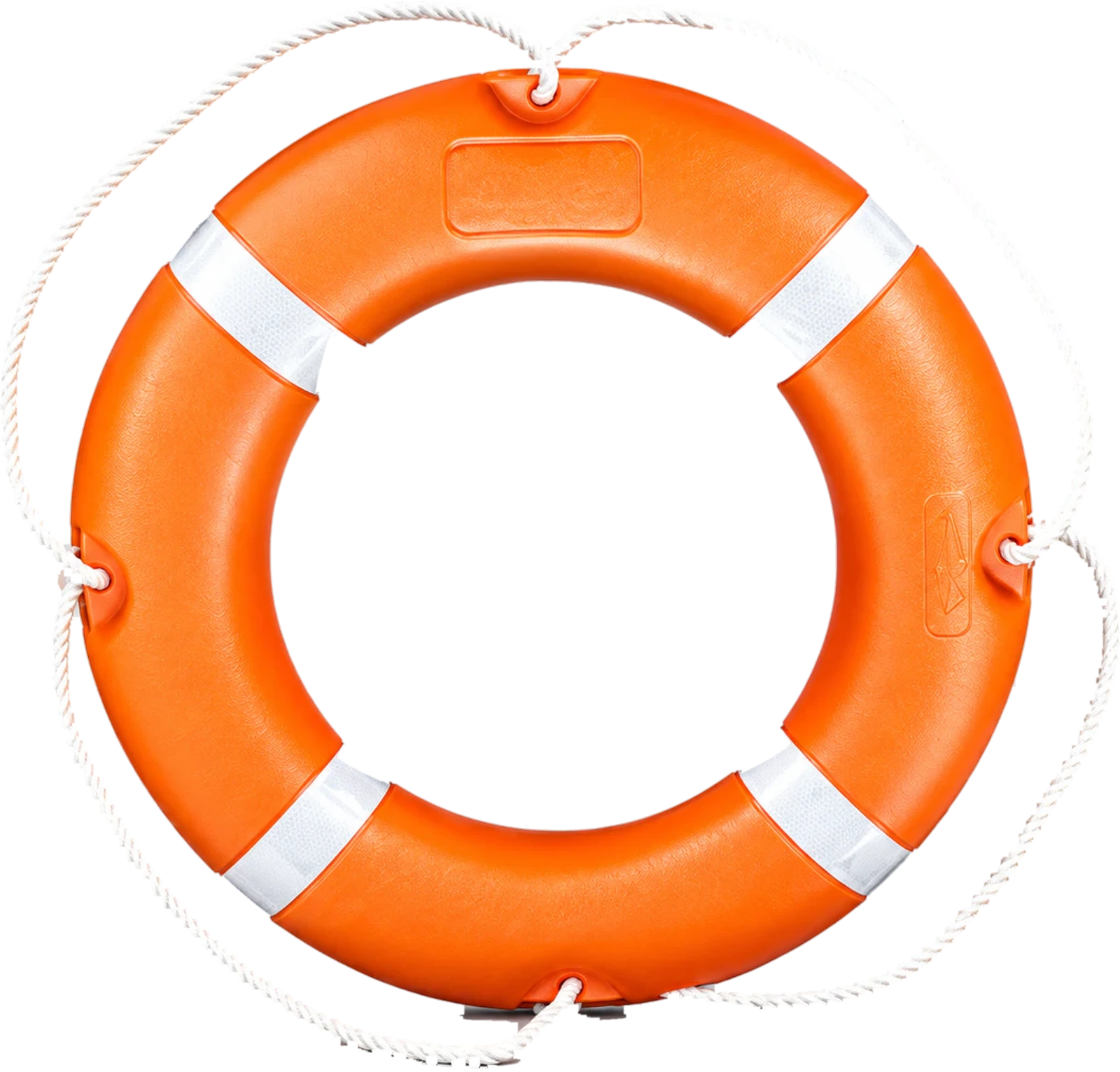
- A lifebuoy ring within reach of the deck, with a buoyant lifeline that does not kink: see the lifebuoy post.
- A lifebuoy light for night fishing, so the ring can be found once it is thrown.
- A boat hook, to bring a person or a line alongside.
To be seen and to find the way
- Navigation lights for the boat’s length and type, as the collision regulations set out: see navigation light configurations.
- A radar reflector, which makes a small wooden or plastic hull far easier for a larger ship’s radar to pick up.
- A search light, for finding a person, a buoy or a mooring in the dark.
- A steering compass that is lit and swung.
To stay afloat and handle a fire
- A bilge pump, and a float switch to run it when no one is watching.
- A fire blanket near the galley, for a cooking fire.
- Oars, for when the engine stops.
- A first-aid kit.
To call for help
- A marine VHF radio that works on channel 16, the international distress and calling channel, for a call to ships and coast stations nearby. A PMR446 walkie-talkie or other non-marine radio cannot transmit on channel 16 and does not replace a marine VHF, fixed or handheld.
- Distress flares and orange smoke signals, in date and kept dry: red flares and orange smoke are distress signals under the collision regulations.
- The distress alert transmitter (DAT) that ISRO and the Indian Coast Guard run for Indian fishing boats. It sends the boat’s identity and position by satellite to a control centre, which passes the alert to the Coast Guard’s rescue centres.
Before each trip
- Count the jackets against the crew, and check each one fits its wearer.
- Switch on every navigation light and the search light.
- Run the bilge pump, and lift the float switch to see it start the pump.
- Check the lifebuoy line is coiled free, not knotted or tied down.
- Check the flares are in date, and the radio and the DAT are charged or powered.
- Tell someone ashore where you are fishing and when you will be back.
From MM’s range
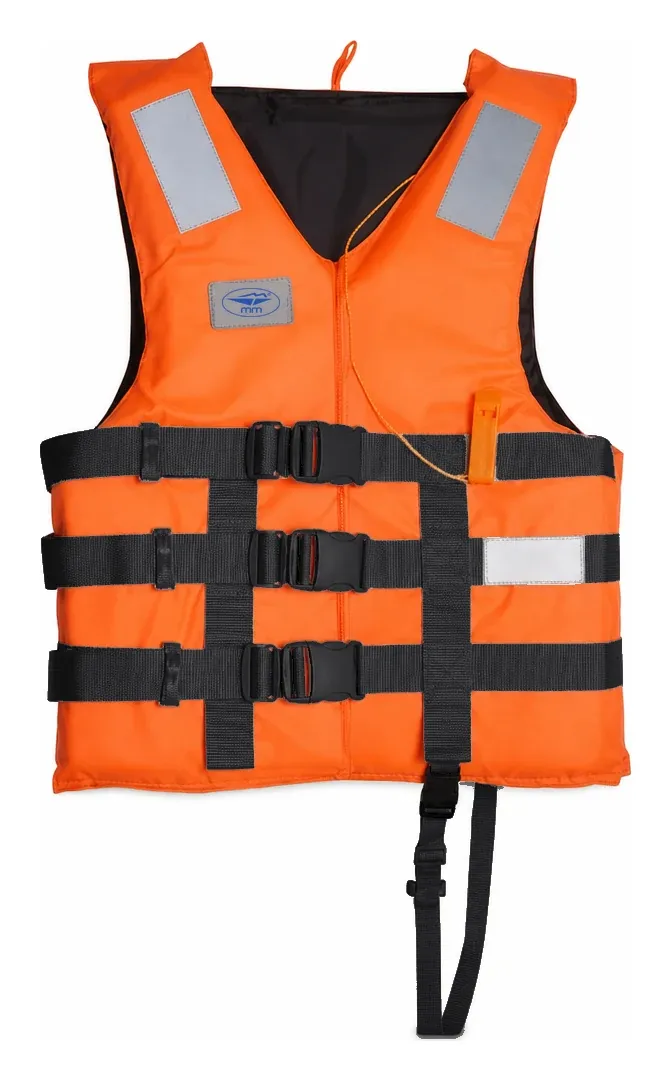
MM Life Jacket Model: Sea Master
Model SEA MASTER
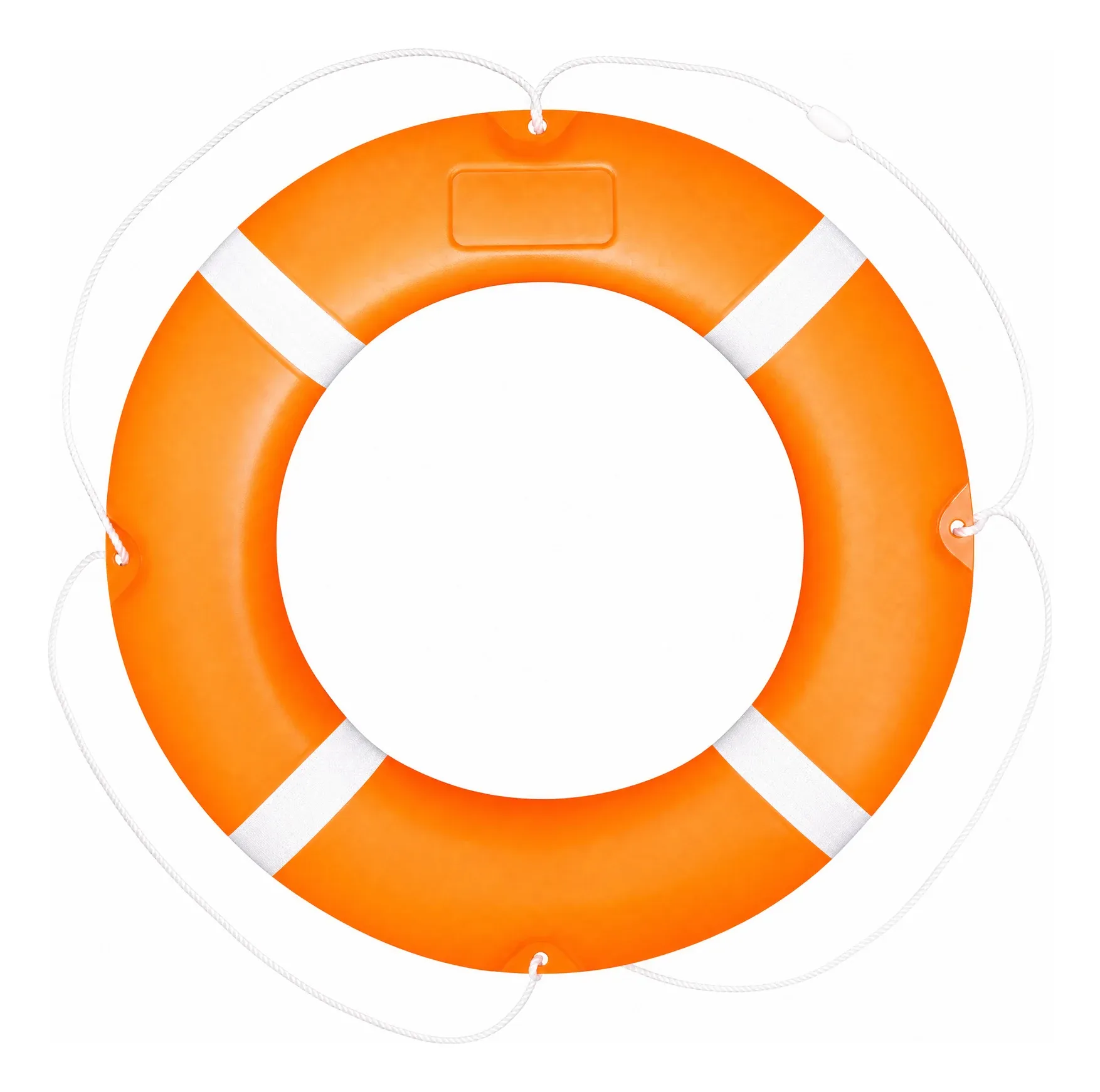
MM Lifebuoy Model: MMLB 2.5 & MMLB 4
Model MMLB-2.5 / MMLB-4
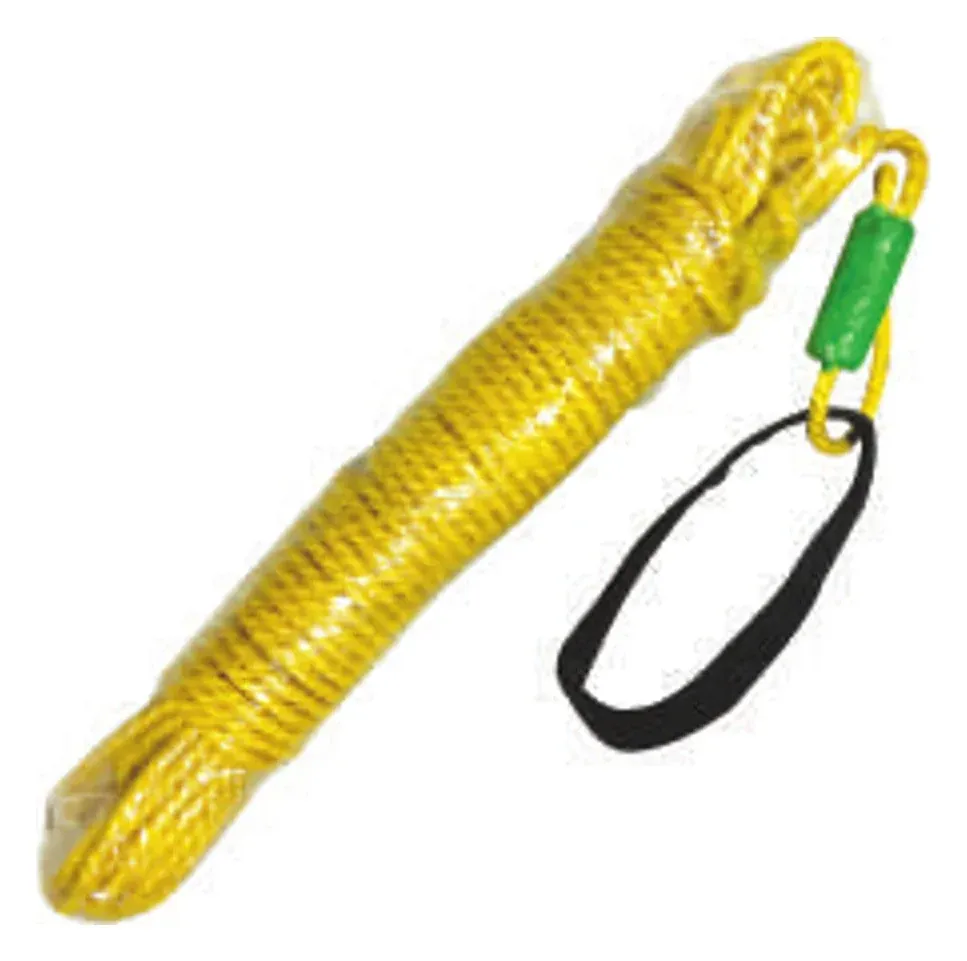
Buoyant Lifeline – MMBLL25 & MMBLL30
Model MMBLL25 / MMBLL30
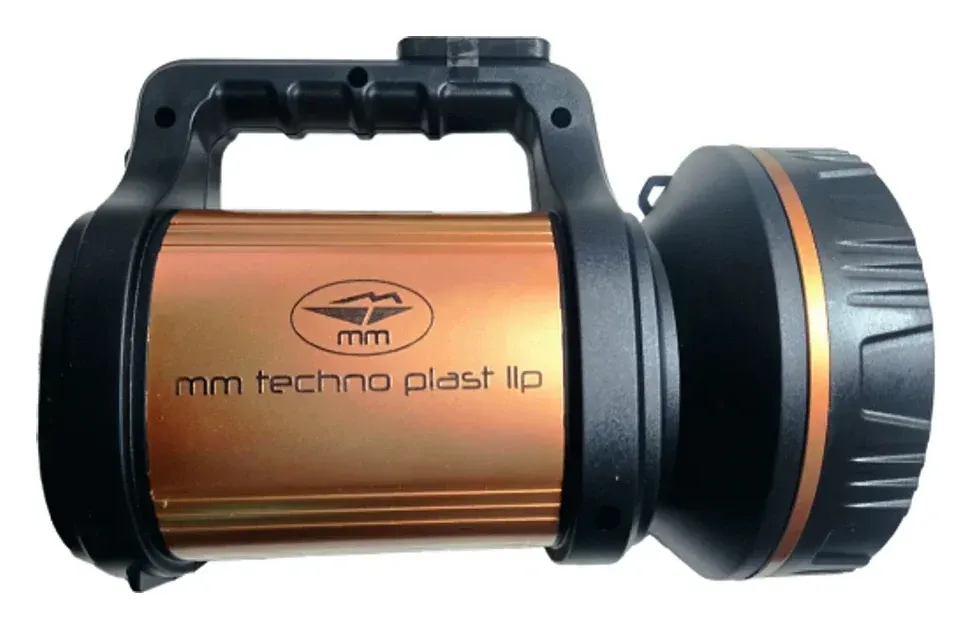
Search Light – MMAPSL
Model MMAPSL
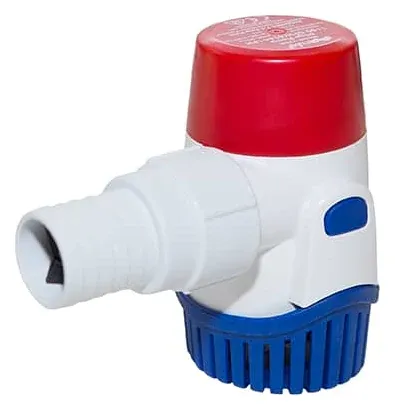
Rule 1100 GPH Bilge Pump
Model Rule 1100
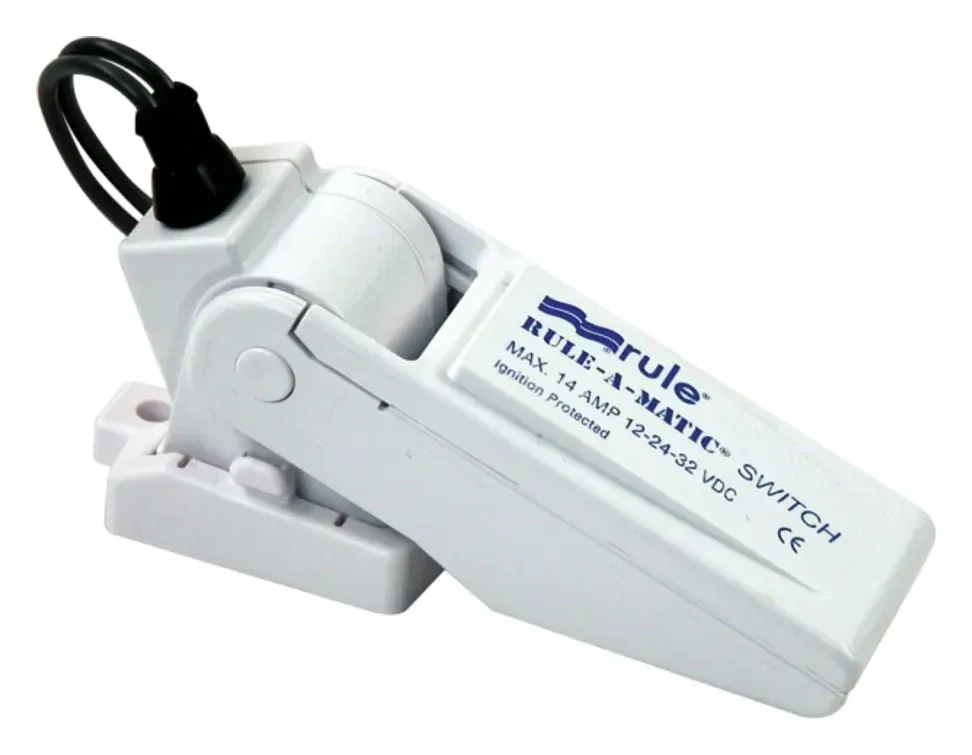
Rule-A-Matic Float Switch
Model Rule 35A
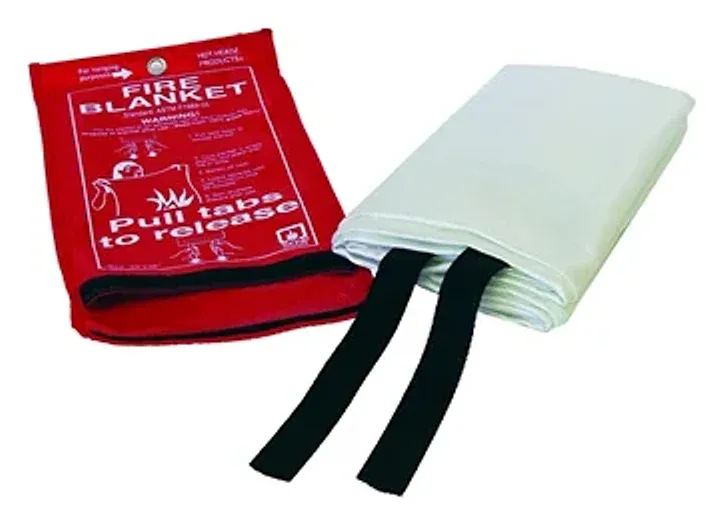
Fire Blanket
Safety & Signalling
For a fleet, send us the boats and crew numbers and we will put together the kit from our range by model. Flares, marine VHF radios and DATs come from their own approved suppliers and authorities.
Source: IMO, COLREGs 1972.