


 Vasai, Maharashtra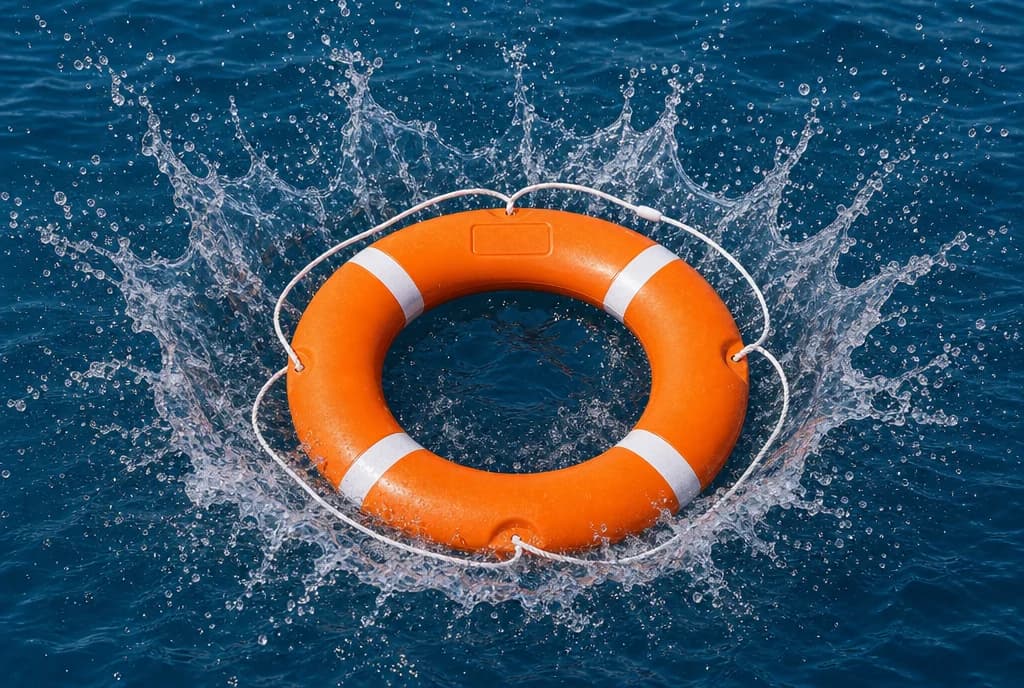
When someone goes over the side, the first minute decides most of what follows. A head in the water is hard to see from a moving boat, and the gap opens fast. These are the actions crews drill, in the order they matter.
The first actions
- Shout “Man overboard!” and which side, so the whole crew knows at once.
- Point, and keep pointing. One person does nothing but watch the person in the water, and never looks away.
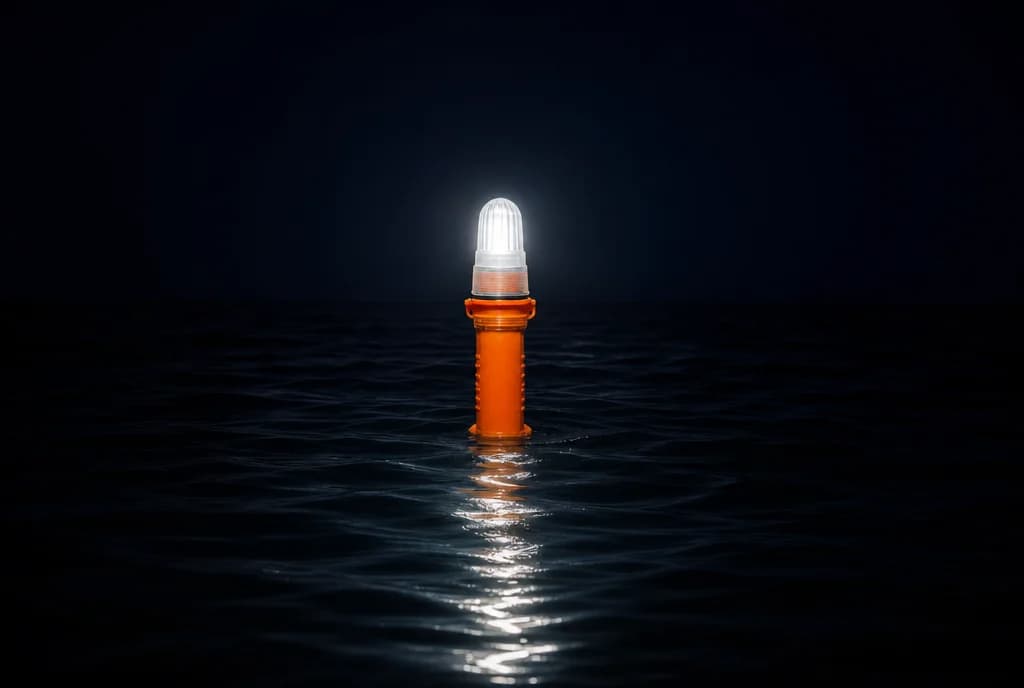
- Throw a lifebuoy ring at once, close to the person rather than at them. At night, throw one with a light.
- Mark the position: press the man-overboard button on the GPS or chart plotter if there is one, or note the time and heading.
- Bring the boat round towards the person, slowing as you come, and keep the propeller well away from them.
- Call for help on the radio. A ship hoists flag O, Oscar, which in the International Code of Signals means “man overboard”.
Getting them back aboard
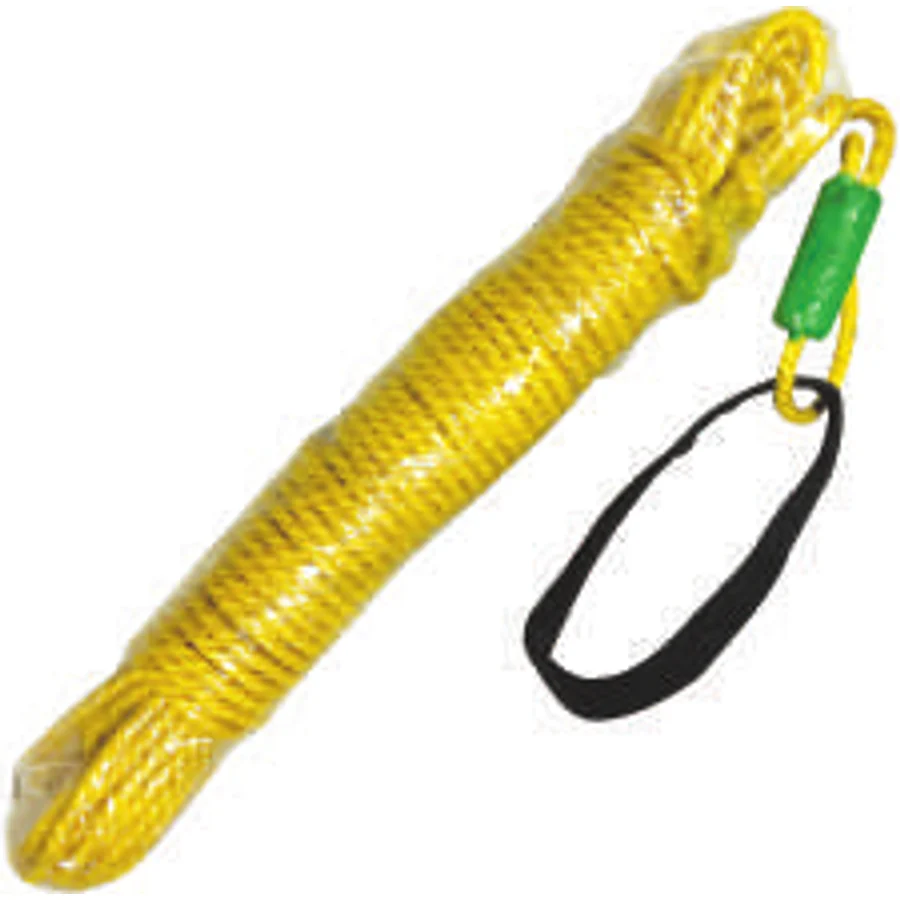
Come up slowly, take the engine out of gear close to the person, and pass them a line or reach them with a boat hook. Lift with as many hands as you have: a person in wet clothes is heavier than they look, and may be cold and too weak to help.
What makes it possible
Every step depends on kit being ready: a ring that comes free in a second, a light that switches itself on, a line that does not kink, and jackets on the people working the deck. See the lifebuoy ring specification and life jacket and lifebuoy lights.
Practise it
Ships under SOLAS hold regular drills. A fishing crew can run the same drill in a few minutes with a fender thrown over the side: shout, point, throw, mark, turn and recover.
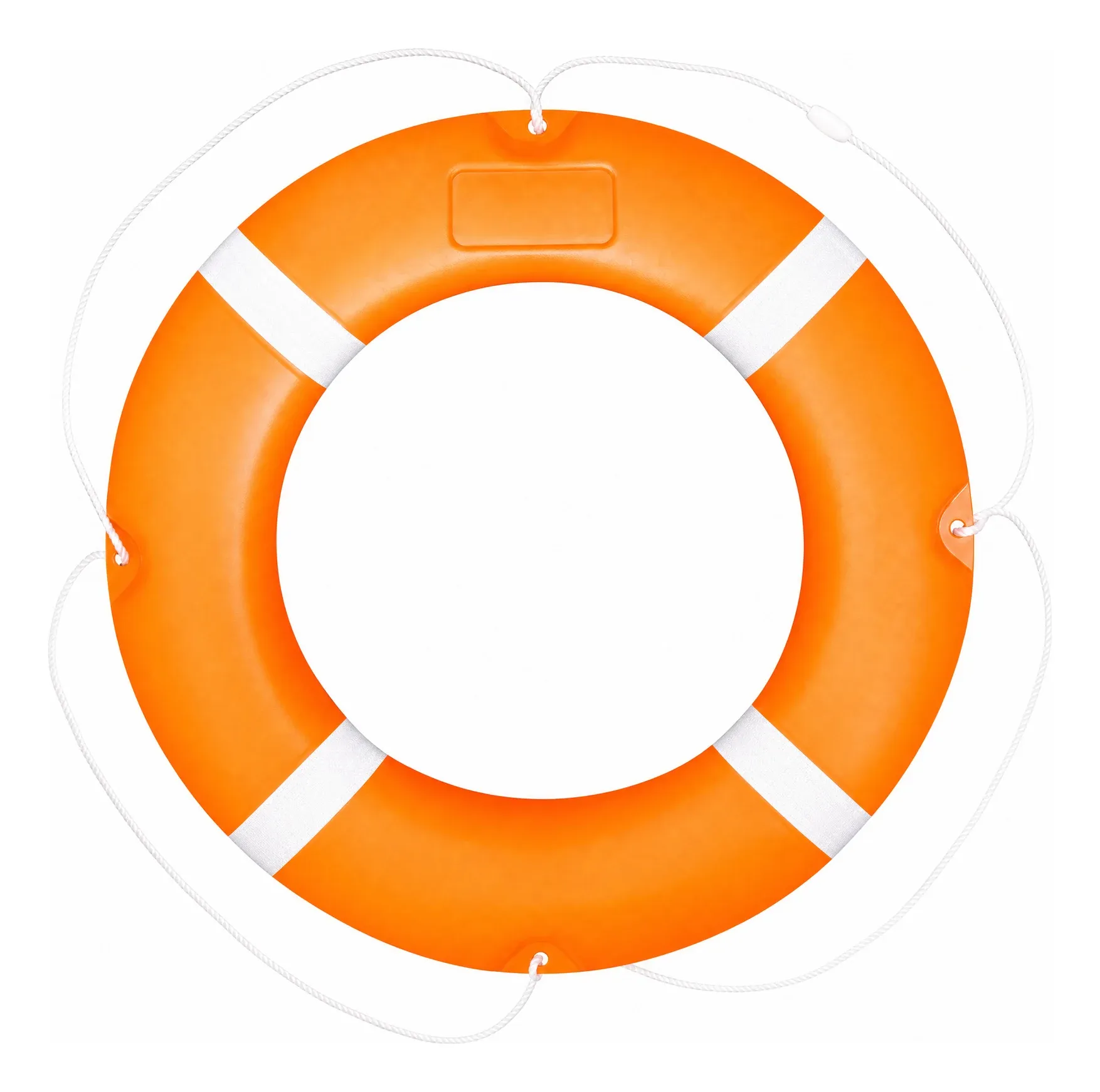
MM Lifebuoy Model: MMLB 2.5 & MMLB 4
Model MMLB-2.5 / MMLB-4
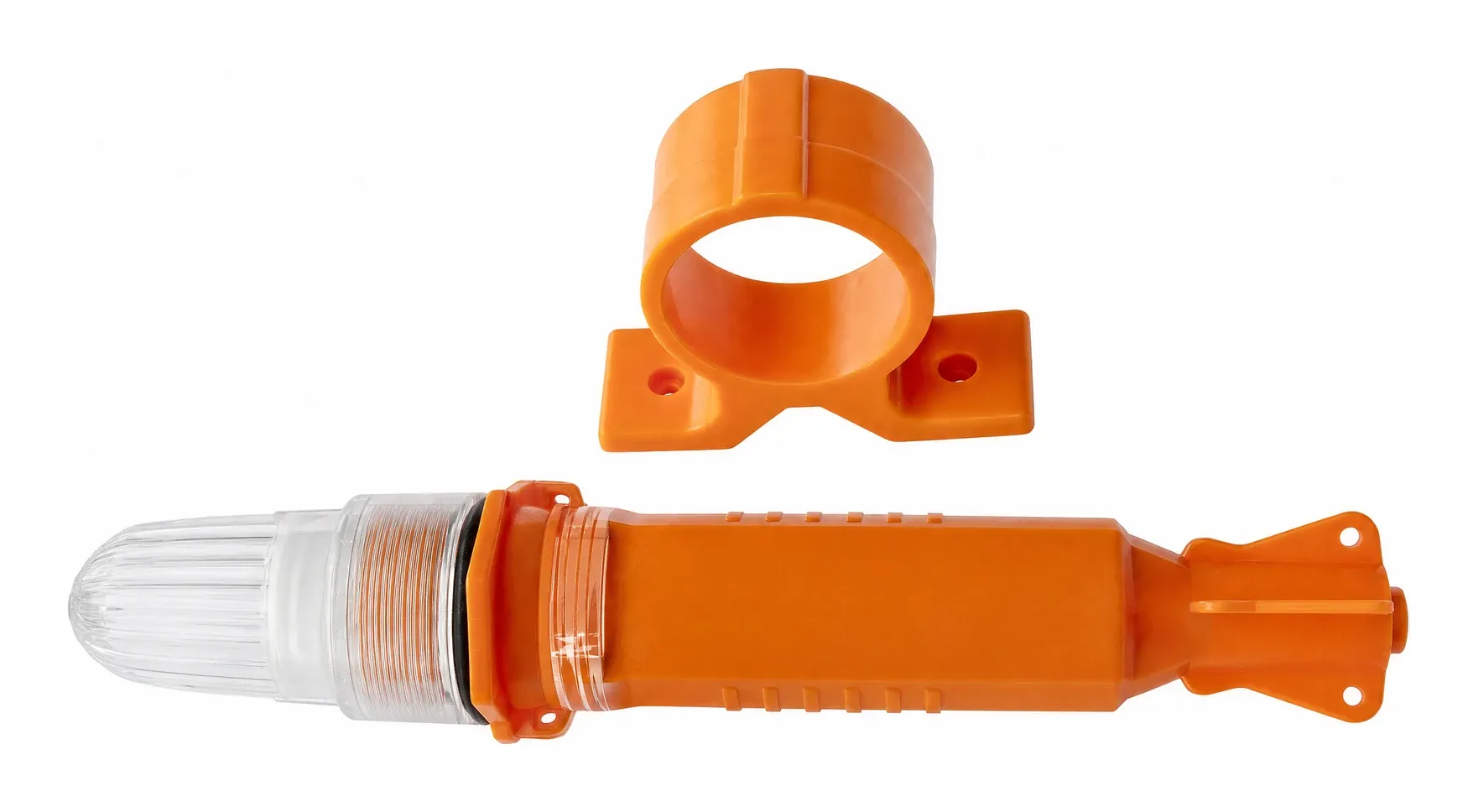
Lifebuoy Light (S.I. Light) – MMLBL
Model MMLBL
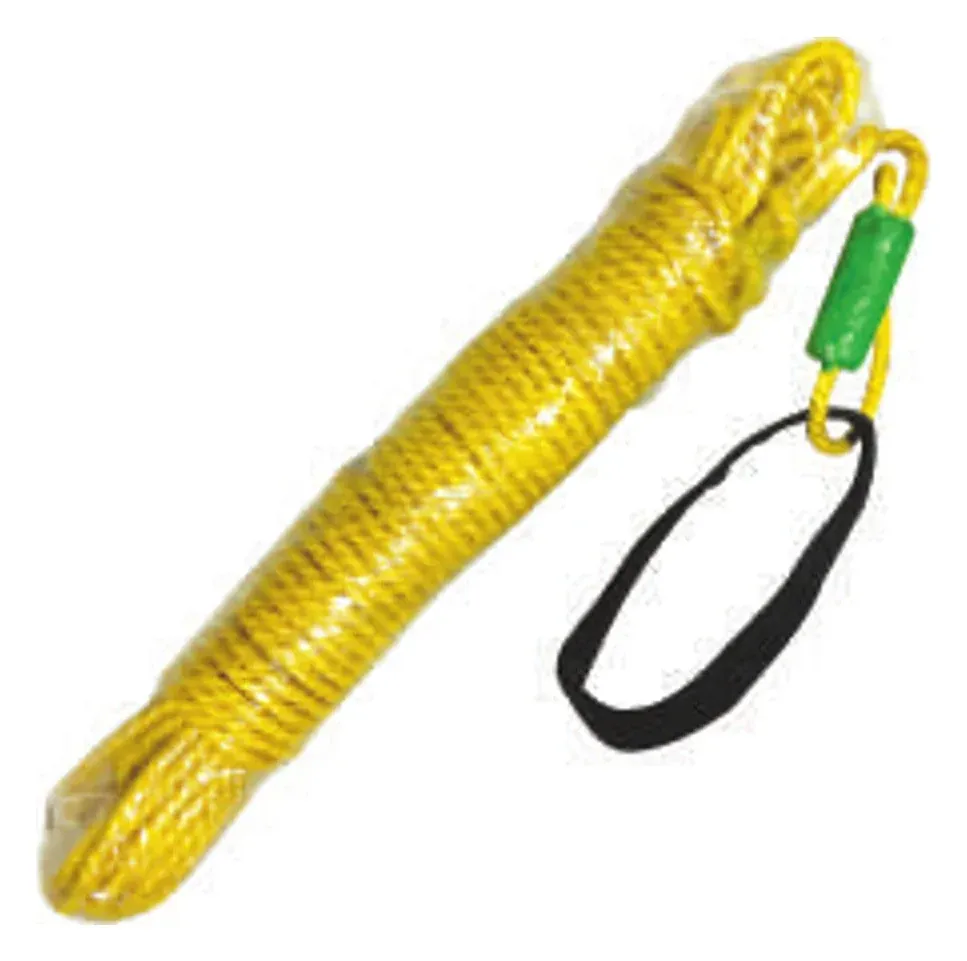
Buoyant Lifeline – MMBLL25 & MMBLL30
Model MMBLL25 / MMBLL30
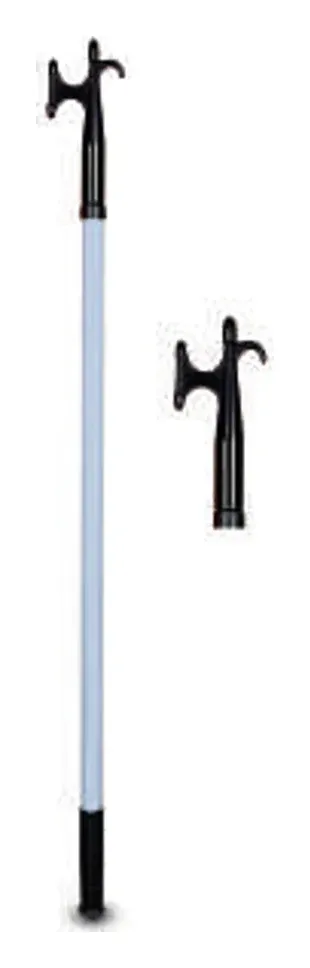
Telescopic Boat Hook – MMTBH / MMPBH
Model MMTBH / MMPBH
This is general practice; follow your vessel’s own man-overboard procedure and drills.