

 Vasai, Maharashtra
A flood-rescue boat works in fast, dirty water, often at night, among submerged walls, wires and debris, and it carries people who cannot swim. Its kit has to keep the crew afloat with their gear on, reach a person from the boat, and light the search.
What should a flood-rescue boat carry?
Each boat needs flotation for everyone aboard, a way to reach and throw, light and sound, and a way to move without the engine. The quantities below are a planning basis per boat; the authority’s own equipment norms and the boat’s rated capacity decide the final numbers.
| Item | How many | Why |
|---|---|---|
| Life jacket for each rescuer | One per crew member, sized with kit on | The crew go in and out of the water |
| Spare life jackets for evacuees | As many as the boat may carry, adults and children | Every person aboard wears one |
| Lifebuoy ring with a buoyant lifeline | At least one, ready to throw | Reaches a person the boat cannot get close to |
| Lifebuoy light | One on each ring | Marks the ring and the person at night |
| Light and whistle on each jacket | One of each per jacket | A person in the water can be seen and heard |
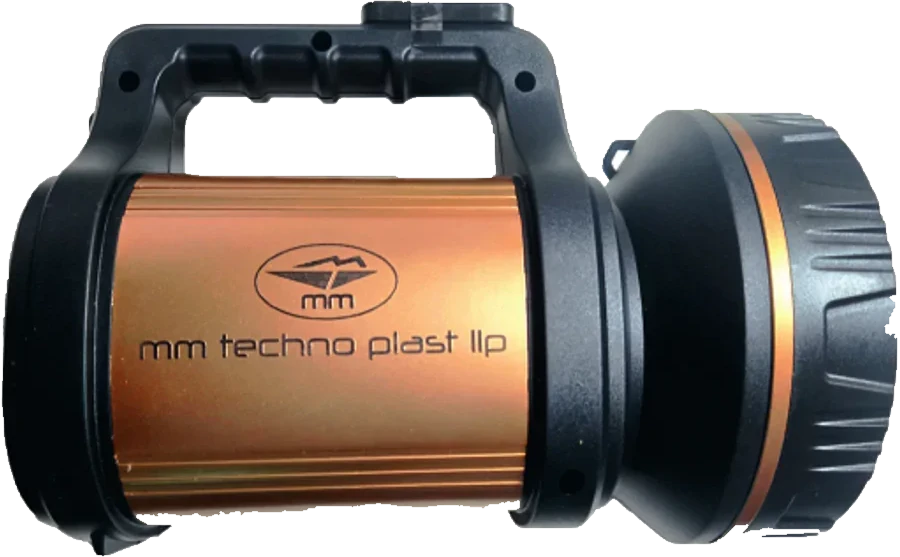
| Search light | At least one, charged before each shift | Searching banks, roofs and the water at night |
| Boat hook | One | Reaches a person or a line alongside |
| Oars with rowlocks | A pair | Moves the boat when the engine stops or fouls |
| Safety helmet | One per crew member | Low branches, cables and structures |
| Radio, knife and first-aid kit | As the team’s own plan sets | From the team’s own suppliers |
Which life jacket suits a rescuer with kit on?
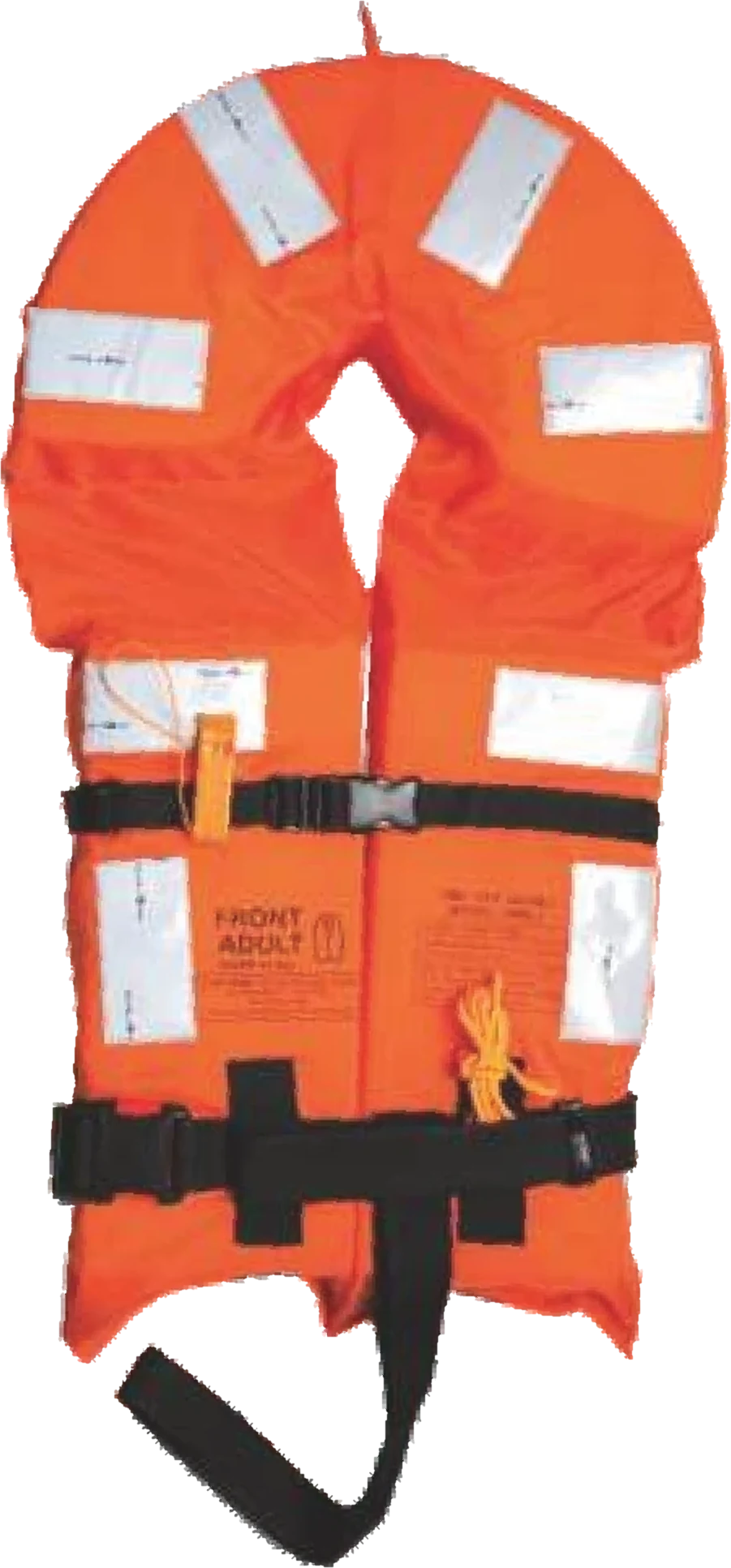
Choose the jacket by the rescuer’s weight with everything they carry, not their body weight alone. The Soldier was designed for this: its buoyancy adjusts from 70–160 N with calibrated foam patches and a removable collar, for wearers of 60–130 kg, unequipped to heavily equipped. It can be worn over a wet suit or an immersion survival suit, and sits close to the body for moving through confined spaces. It is PFD Type III, a class meant for a conscious wearer with help close by.
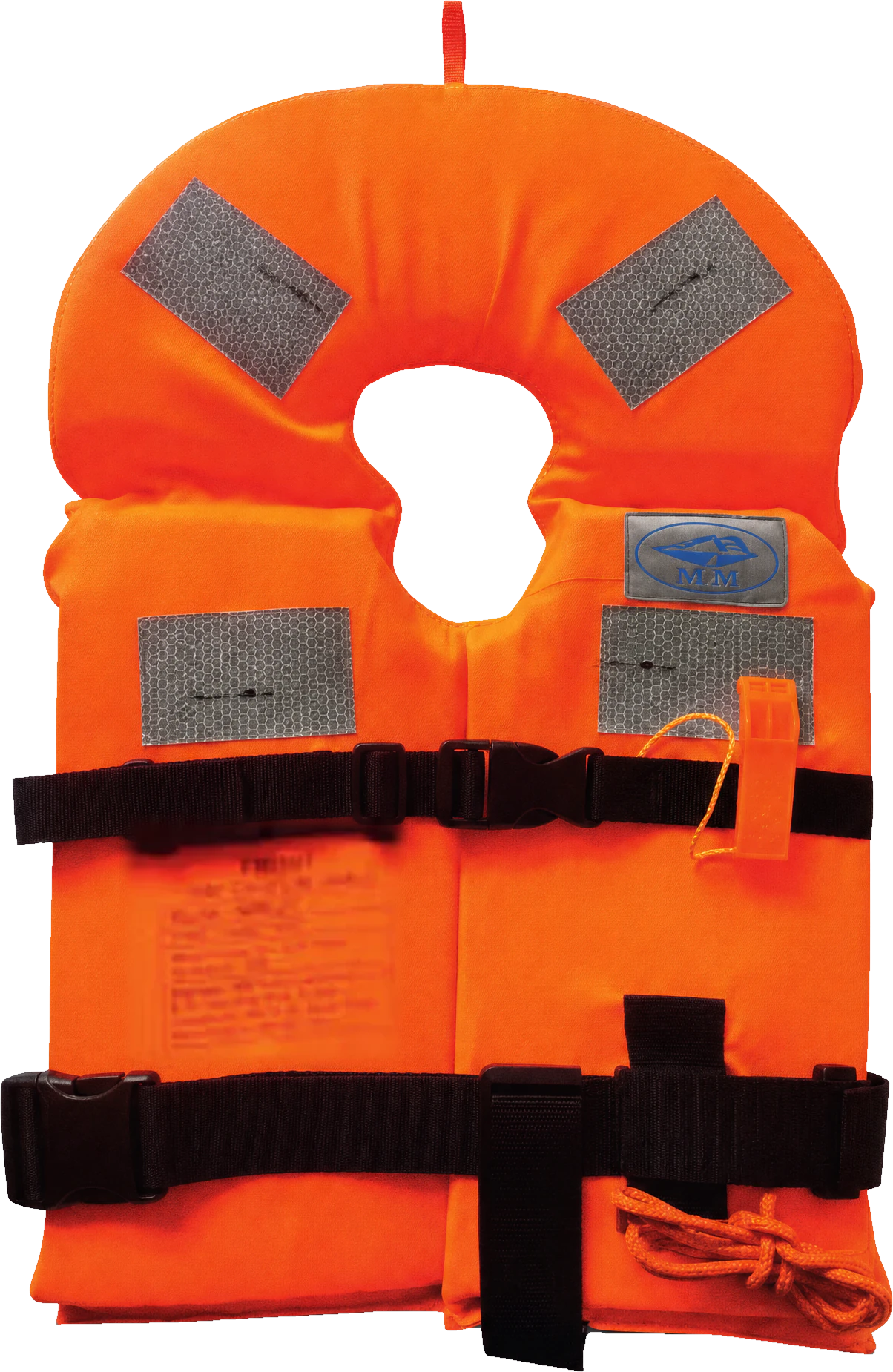
For crew who stay in the boat, the MMLJ is 240 N, PFD Type I, for wearers up to 140 kg: the class designed to turn most unconscious wearers face-up. Every rescuer’s jacket needs a light and a whistle tied on.
What should evacuees and children wear?
Every evacuee wears a jacket fastened before they step aboard, sized for their weight; an adult jacket on a child can ride up over the head. The MMLJC is 90 N, PFD Type I, for children up to 43 kg; the Sea Master Child Large is 100 N for wearers up to 80 kg. The Sea Master Junior and Infant sizes are 50 N buoyancy aids to ISO 12402-5, intended for sheltered water with help close by, and are not the jackets to carry for floodwater. The sizes post and the children’s post cover fitting.
| Specification | Value |
|---|---|
| Adult Universal | Up to 95 kg · PFD III · 100 N · ISO 12402-4 |
| Child Large | Up to 80 kg · PFD III · 100 N · ISO 12402-4 |
| Child Junior | Up to 36 kg · PFD III · 50 N · ISO 12402-5 |
| Child Infant | Up to 14 kg · PFD III · 50 N · ISO 12402-5 |
| Accessories | Life jacket light / buddy line (optional) |
How does a boat crew reach someone in the water?
Reach first, then throw, and enter the water last. A telescopic boat hook reaches a person or a line alongside; the MMTBH extends from 24″ to 48″ or from 48″ to 96″. Further out, throw a ring on a line: the MMLB ring with an MMBLL lifeline, 25 m or 30 m of 8 mm floating polypropylene with a 6 kN minimum breaking strength and a handle strap for the thrower. In current, throw beyond and upstream of the person, so the line drifts down to them. A swimmer going in takes a rescue float to keep between themselves and a panicking casualty; the rescue float post explains how one is used.
What light and sound does a night search need?
- A search light on the boat: the MMAPSL is a rechargeable 100 W LED, protected against over-charge and over-discharge, that passes a drop test from 1 m with its battery.
- A light on every jacket: the MMLJL comes on by itself in water and gives 0.75 cd for 8 hours on a lithium battery.
- A light on every ring: the MMLBL flashes 70 times a minute at 2 cd and pops up above the surface.
- A whistle on every jacket: the MMLJW sounds at over 105 dB either way up, straight after immersion.
What should the team do after each deployment?
- Rinse every jacket, ring and line in fresh water: floodwater carries mud, sewage and oil.
- Dry them in the shade, not in the sun, before they are packed away.
- Check each jacket’s cover, foam, buckles, tape and label, and take damaged ones out of use.
- Recharge the search light, and replace any jacket or ring light whose battery has been used.
- Re-coil each lifeline loose, untangled and tied to its ring.
The life jacket inspection checklist has the full check and the signs that a jacket should be retired.
How should a team buy kit before the monsoon?
Write the specification in figures: buoyancy in newtons, user-weight range, the approval or standard required, and the light and whistle fitted. Order early enough for delivery and checking before the rains, not during them. Government buyers can order through the Government e Marketplace, and the GeM guide explains how; the bulk buying checklist has the eight checks to make on any life jacket quote.
MM Life Jacket Model: Soldier
Model SOLDIER
MM Life Jacket Model: MMLJ
Model MMLJ
MM Life Jacket Model: MMLJC
Model MMLJC
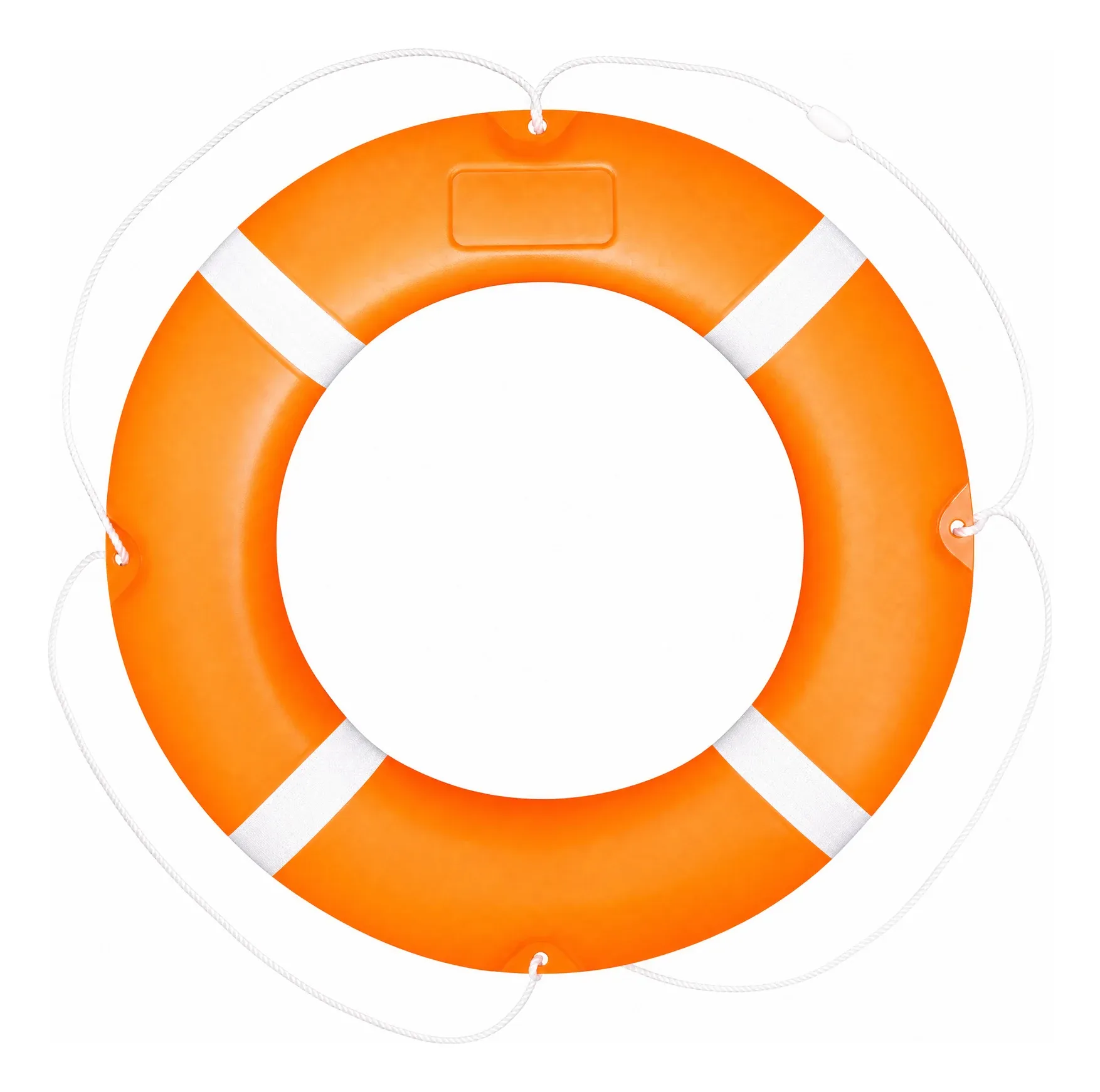
MM Lifebuoy Model: MMLB 2.5 & MMLB 4
Model MMLB-2.5 / MMLB-4
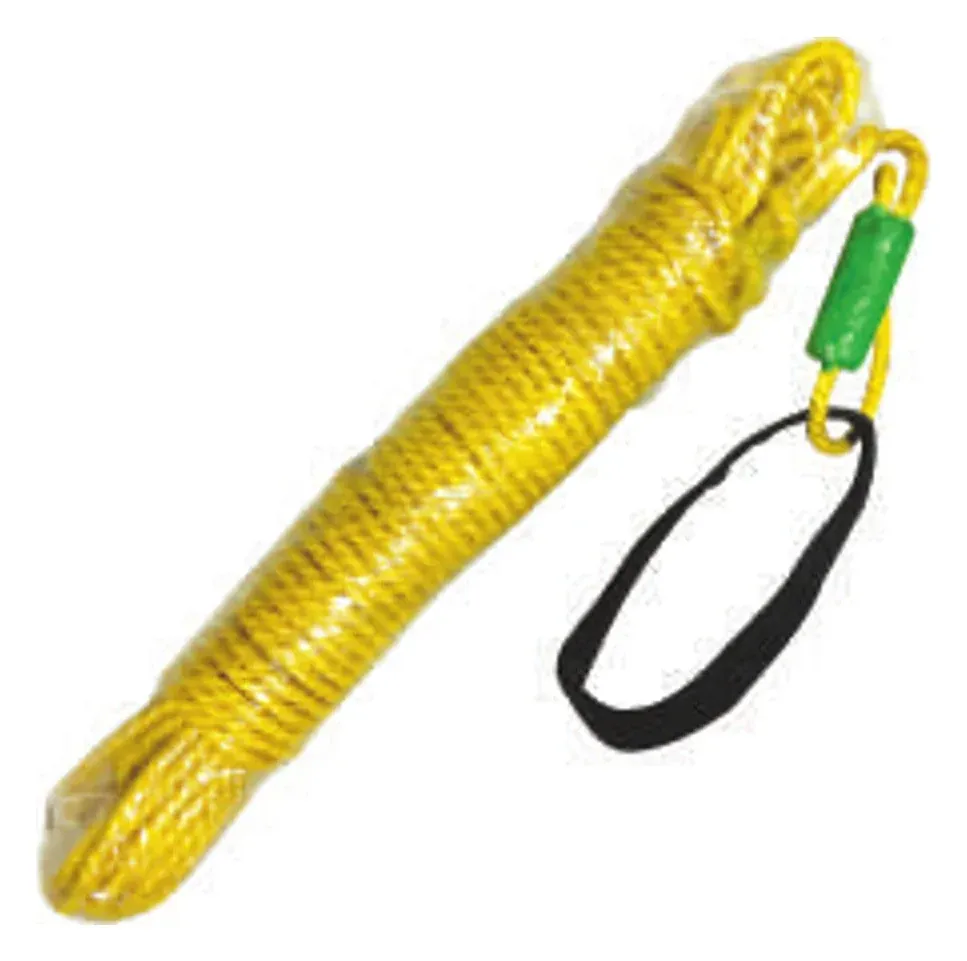
Buoyant Lifeline – MMBLL25 & MMBLL30
Model MMBLL25 / MMBLL30
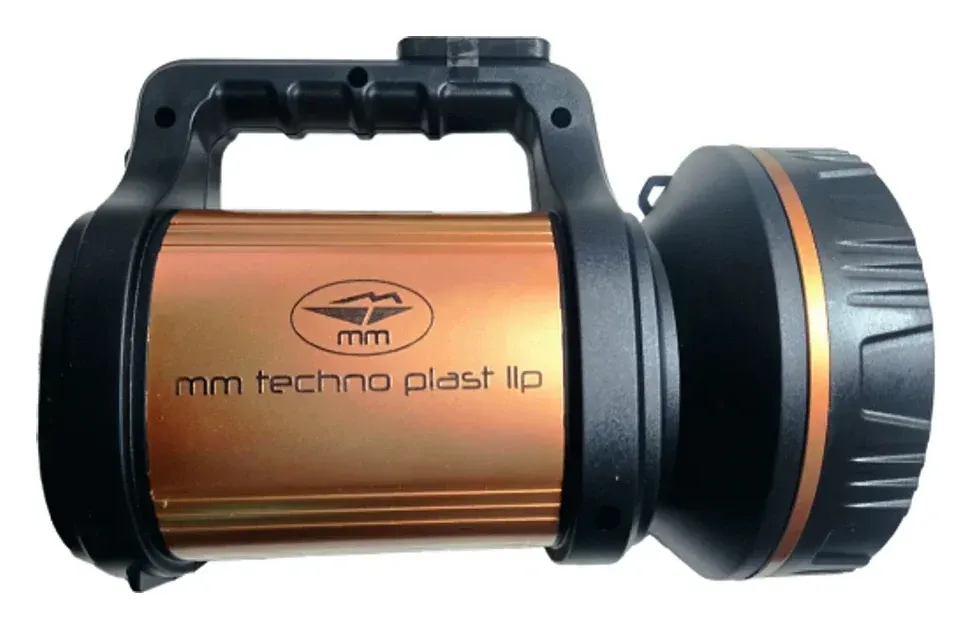
Search Light – MMAPSL
Model MMAPSL
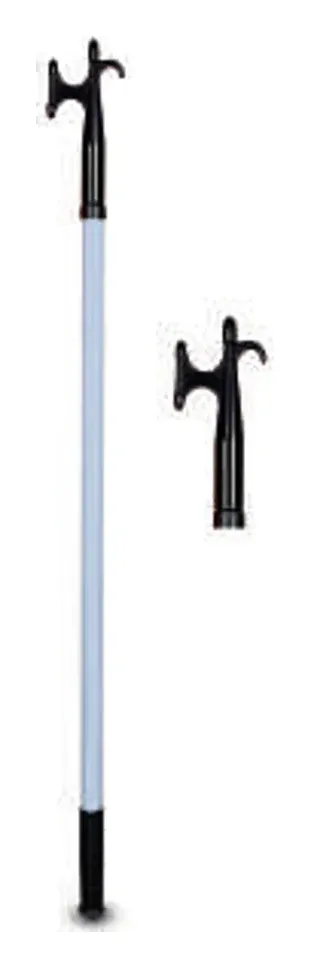
Telescopic Boat Hook – MMTBH / MMPBH
Model MMTBH / MMPBH
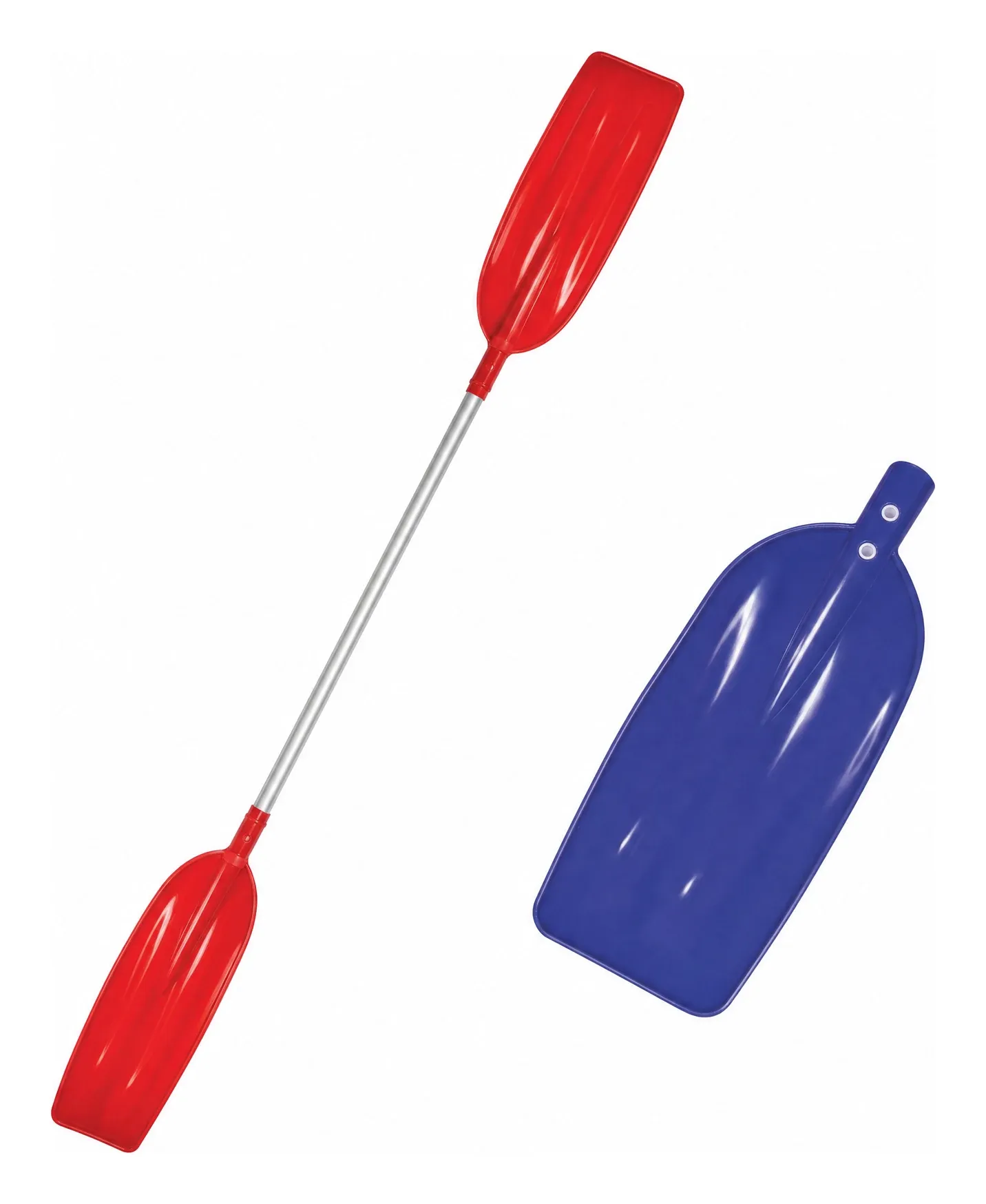
Plastic Blade Oar – MMPO-02
Model MMPO-02
The disaster response page lists the range by job. Request a quote with the number of boats and crews, jackets in each size, and the specification or tender you are buying against.