


 Vasai, Maharashtra
A lifebuoy ring is thrown from where the rescuer stands. A rescue float goes out with a lifeguard who swims to the person. That difference decides where each one belongs.
What is a lifeguard rescue float?
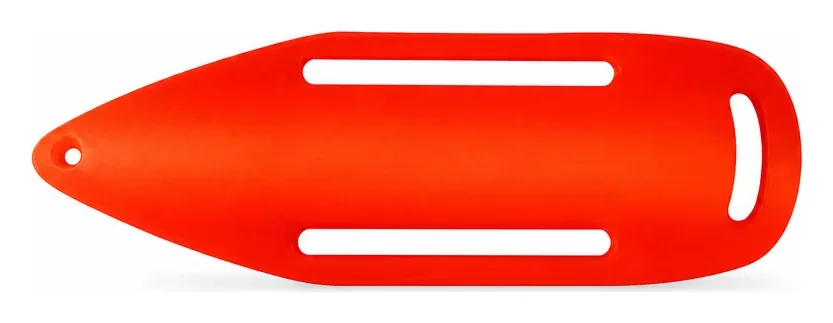
A rescue float is a buoyant float a lifeguard takes out to a swimmer in trouble, so the swimmer holds the float instead of the lifeguard. There are two common kinds. A rescue tube is a soft foam strip that wraps round the person and clips shut. A rescue can, also called a torpedo buoy, is a rigid float with handholds that the person grips.
MM’s Rescue Floating Buoy, also known as the Bayline Float, is a foam-filled lifeguard rescue float, 68 cm long, 24 cm wide and 14 cm thick, and it weighs 2 kg.
| Specification | Value |
|---|---|
| Length | 68 cm |
| Width | 24 cm |
| Thickness | 14 cm |
| Weight | 2 kg |
| Construction | Foam filled |
How does a rescue float differ from a lifebuoy ring?
| Rescue float | Lifebuoy ring | |
|---|---|---|
| How it reaches the person | A lifeguard swims it out | Thrown from the deck, quay or bank |
| Who uses it | A trained lifeguard | Anyone at the edge |
| Where it works | Beaches, pools, calm rivers, close to shore | Ships, boats, jetties, ghats, sites over water |
| How the person is brought in | Towed by the swimming lifeguard | Pulled in on a buoyant lifeline |
| Rules | Lifeguard practice and the venue’s plan | SOLAS and the LSA Code on ships; licence or site plan elsewhere |
A ring is the right tool wherever the person can be reached by a throw: a rescuer stays out of the water. A float is for the person a throw cannot reach, and for a lifeguard who must keep something buoyant between themselves and a panicking swimmer. The lifebuoy specification post covers the ring.
How is a rescue float used?
- The lifeguard enters the water with the float, usually towed on a line from a shoulder strap so both hands are free to swim.
- Near the person, the lifeguard stops short and pushes the float to them, keeping it between the two of them.
- The person holds on to the float; a conscious swimmer usually calms once they are supported.
- The lifeguard tows the float back to the shore or the pool side, or to a boat, talking to the person all the way in.
Only a trained lifeguard should swim out with a float. Anyone else should raise the alarm and throw something that floats from the edge. Lifeguards practise with the float in the water they guard, so that entering, reaching the person and towing them back is routine before it is needed. Ask us what comes with the float, such as a line and strap, when you request a quote.
Where are rescue floats used?
- Beaches: lifeguards run in through the surf with a float to reach swimmers caught beyond their depth.
- Swimming pools and water parks: a float on the poolside lets a lifeguard reach a swimmer in the deep end without being grabbed.
- River ghats and lakes: where people bathe close to the bank, a float extends a lifeguard’s reach, with lifebuoys on lines along the steps for throwing.
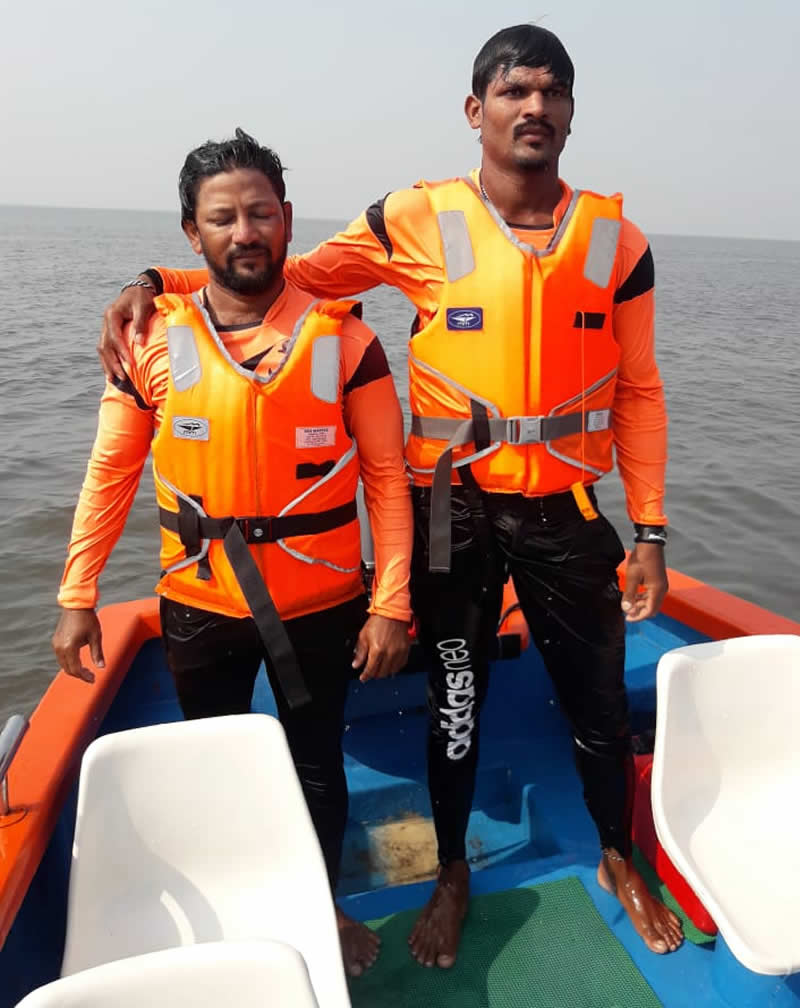
- Resorts and water-sports centres: as standby kit beside the life jackets and the rescue boat.
What else should a lifeguard station have?
- A lifebuoy ring on a buoyant lifeline for throwing from the edge: the MMLB with an MMBLL line, 25 m or 30 m.
- A whistle for each lifeguard: the MMLJW sounds at over 105 dB.
- Life jackets for lifeguards on a rescue boat, sized by weight; the water sports post compares the range.
- A first-aid kit and a way to call for help, from your own suppliers.
How should a rescue float be looked after?
Rinse it in fresh water after use in the sea or a chlorinated pool, and store it in the shade, where sun will not fade and weaken it. Check it before each shift for cracks or splits, and the line and strap for fraying. A float that has cracked or taken on water comes out of service. Keep each float where the lifeguard stands, not in a store: a float that has to be fetched arrives too late.
Rescue Floating Buoy
Lifebuoys & Lifelines
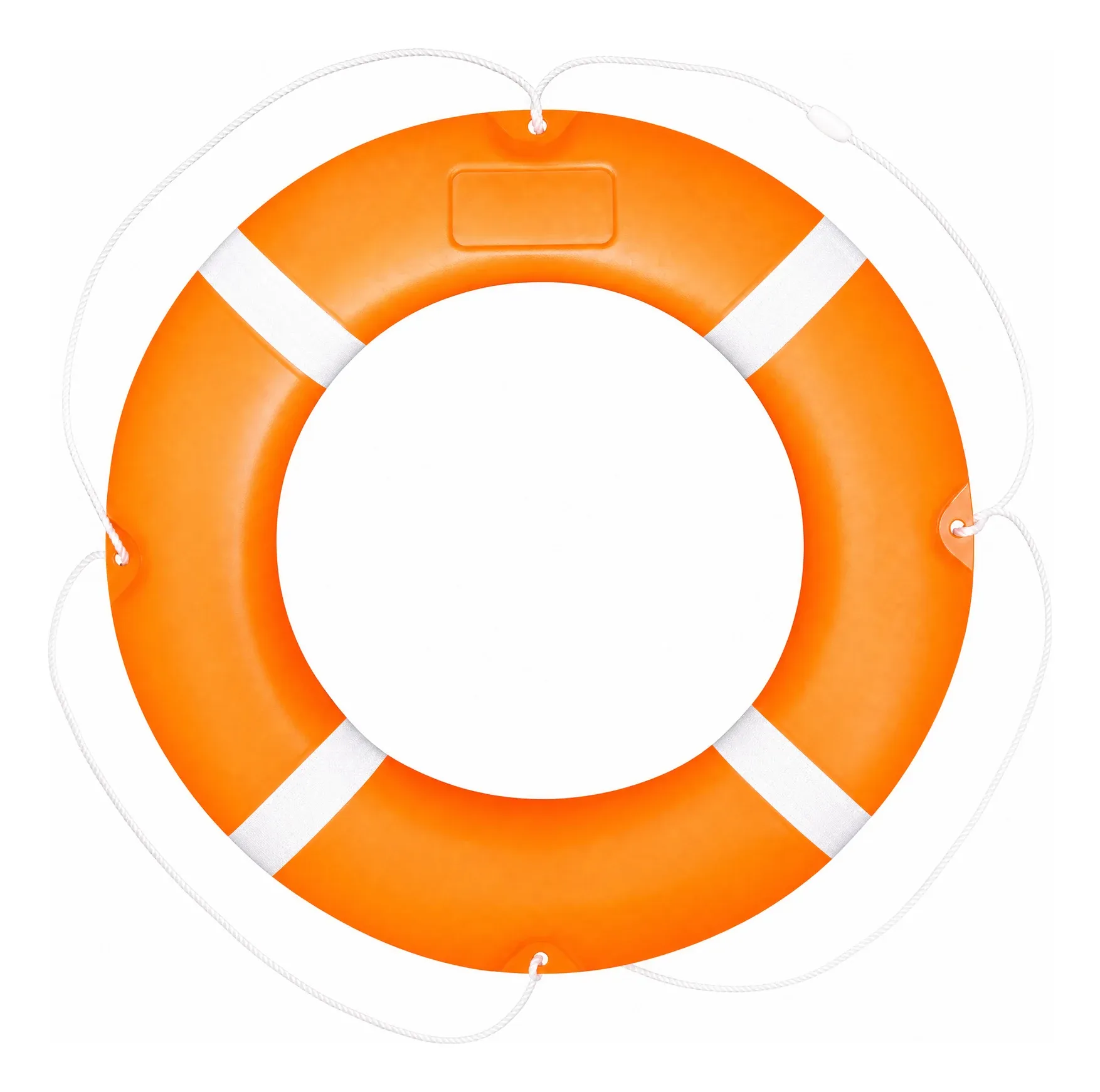
MM Lifebuoy Model: MMLB 2.5 & MMLB 4
Model MMLB-2.5 / MMLB-4
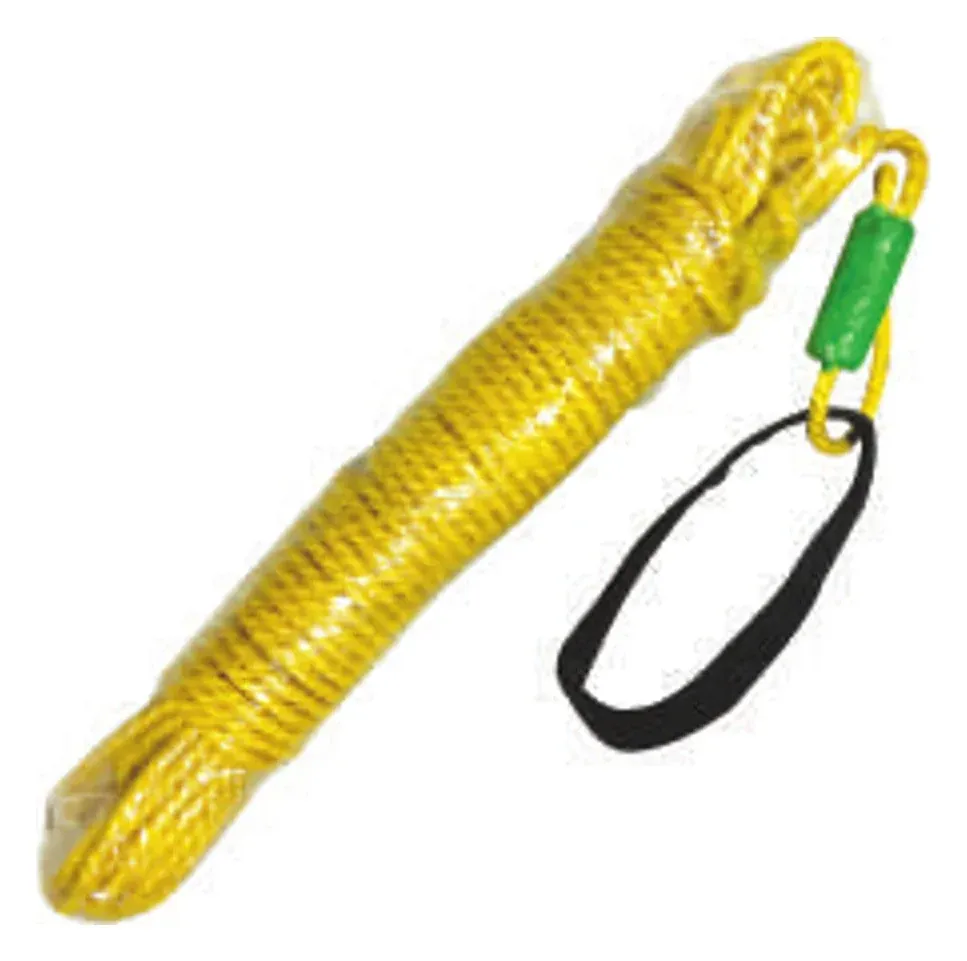
Buoyant Lifeline – MMBLL25 & MMBLL30
Model MMBLL25 / MMBLL30
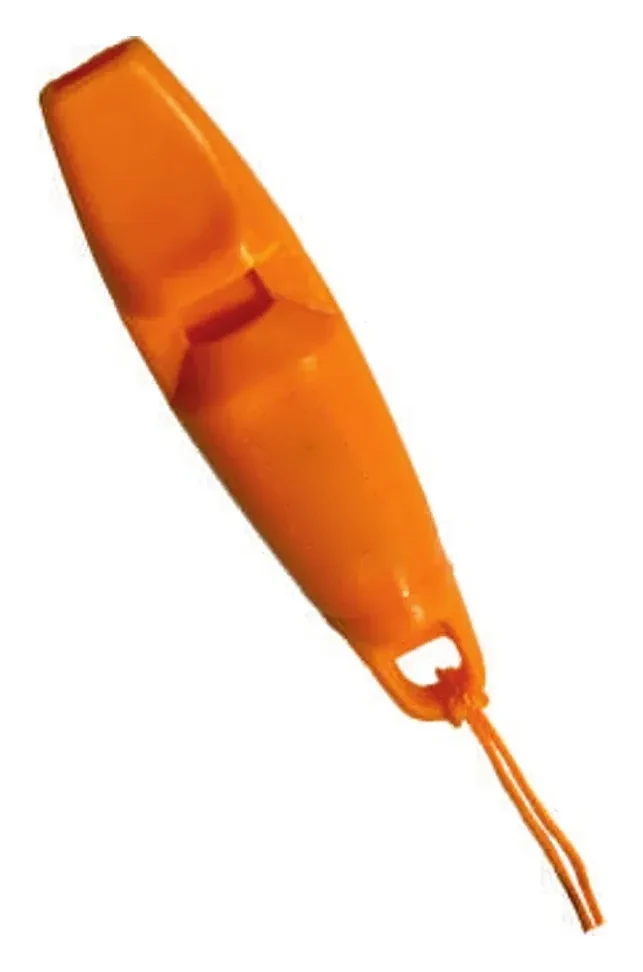
Life Jacket Whistle – MMLJW
Model MMLJW
The water sports and tourism page lists the standby kit beside the life jackets. Request a quote with the number of floats, rings and lines for each station.