

 Vasai, Maharashtra

At a port or a ghat, people go into the water from the edge: a line handler stepping back, a passenger missing the gap on a ghat step, a worker on a wet quay at night. What stands at that edge decides whether they are reached.
How many lifebuoys does a jetty or ghat need?
Enough that one can be reached and thrown from any point where people work or board at the edge. There is no single national figure for a jetty. Cargo handling at the major ports in India comes under the Dock Workers (Safety, Health and Welfare) Act, 1986 and its 1990 regulations; minor ports, inland jetties and ghats follow their state maritime board, the port’s own safety rules, or the local authority. Read the rule that applies to you, then walk the edge: every berth, boarding point, ramp and stair down to the water needs a station within a short run.
How long should a lifebuoy line be?
Long enough to reach the water from the highest point you will throw from, at the lowest tide, and then reach the person. The SOLAS ship rule (regulation III/7.1.2) is a useful guide: the line is at least twice the stowage height above the waterline, and never under 30 m; the lifebuoy specification post has the full rule. At a jetty, measure from the deck to low water, double it, and use 30 m at the least.
The MMBLL lifeline comes in 25 m and 30 m lengths of 8 mm floating polypropylene, orange or yellow, with a 6 kN minimum breaking strength and a nylon handle strap. A high quay with a big tidal range may need the longer line on every ring.
What makes a good lifebuoy station?
- A ring on a post or bracket at the edge, at a height anyone can lift it from, never padlocked.
- Its lifeline attached and coiled free beside it, and a light fitted for night use.
- A sign at the station saying what it is and how to raise the alarm, in the languages used on the quay; signs come from your signage supplier.
- Nothing stacked or parked in front of it.
- A daily check, because rings at public ghats and jetties go missing and lines get borrowed for mooring.
| Item | Where | Check |
|---|---|---|
| Lifebuoy ring | On its post or bracket at the edge | Present, not cracked, tape intact |
| Buoyant lifeline | Tied to the ring, coiled free | Not knotted, frayed or used for mooring |
| Lifebuoy light | On the ring | In date, undamaged |
| Sign | At the station, visible from the quay | Readable, not covered |
The MMLB ring comes in two weights, the MMLB 2.5 and the MMLB 4; the lifebuoy specification post has its full specification and explains where each weight is used.
What lights and whistles does the waterside need at night?
A light on each ring and a search light for the duty crew. The MMLBL comes on by itself in water and pops up above the surface, flashing 70 times a minute at 2 cd on a lithium battery that lasts 8 hours. The MMAPSL is a rechargeable 100 W LED search light for a patrol or a launch. Line handlers and boat crews carry a whistle; the MMLJW sounds at over 105 dB either way up.
Which helmets and vests suit cargo handling?
Helmets to IS 2925 for anyone under a crane, a sling or a stack, and a work vest for anyone who works at the edge. MM’s CH01 and CH02 carry the ISI mark and fit head sizes 53 to 63 cm; the colour code post helps tell roles apart on a busy quay. For line handlers and launch crews, the MMWV work vest is 100 N, PFD Type III, for wearers up to 90 kg, with a whistle fitted.
| Model | Weight | Head size | Electrical class |
|---|---|---|---|
| MM Safety Helmet With Ventilation CH01 | 345 g approx. | 53 to 63 cm | – |
| MM Safety Helmet With Ventilation CH02 | 300 g approx. | 53 to 63 cm | – |
| MM Safety Helmet Without Ventilation CH01 | 345 g approx. | 53 to 63 cm | Class 0; voltage-tested at 2000 V a.c. |
| MM Safety Helmet Without Ventilation CH02 | 300 g approx. | 53 to 63 cm | Class 0; voltage-tested at 2000 V a.c. |
Why does a jetty need a wind sock?
A wind sock shows the wind’s direction and a rough idea of its strength at a glance, for berthing a boat and for lifting a load. MM’s wind sock is red and white nylon on a swivelling arm that turns a full 360°, on a green powder-coated stand, in sizes 2′ × 4′, 2′ × 6′ and 2′ × 8′, with retro-reflective tape on request for night use. The wind sock post explains how to read one.
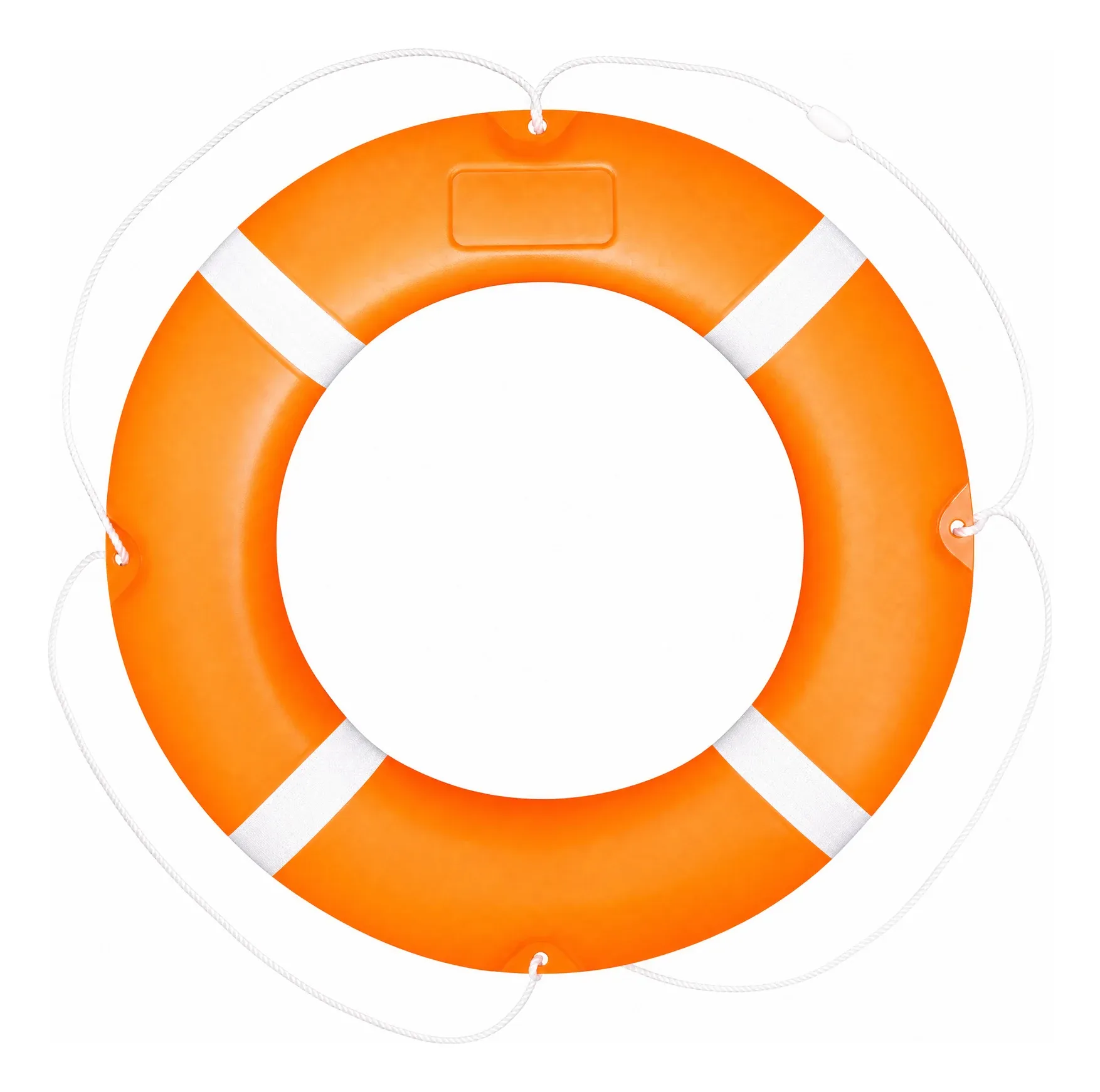
MM Lifebuoy Model: MMLB 2.5 & MMLB 4
Model MMLB-2.5 / MMLB-4
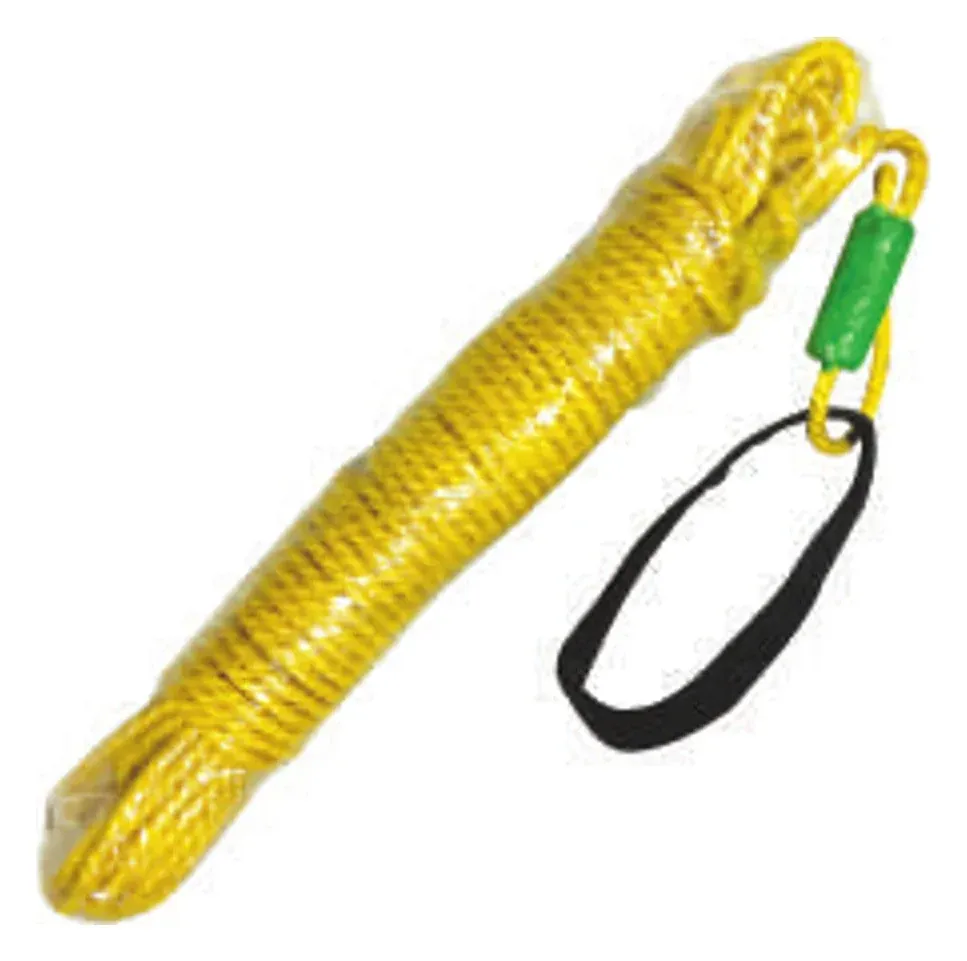
Buoyant Lifeline – MMBLL25 & MMBLL30
Model MMBLL25 / MMBLL30
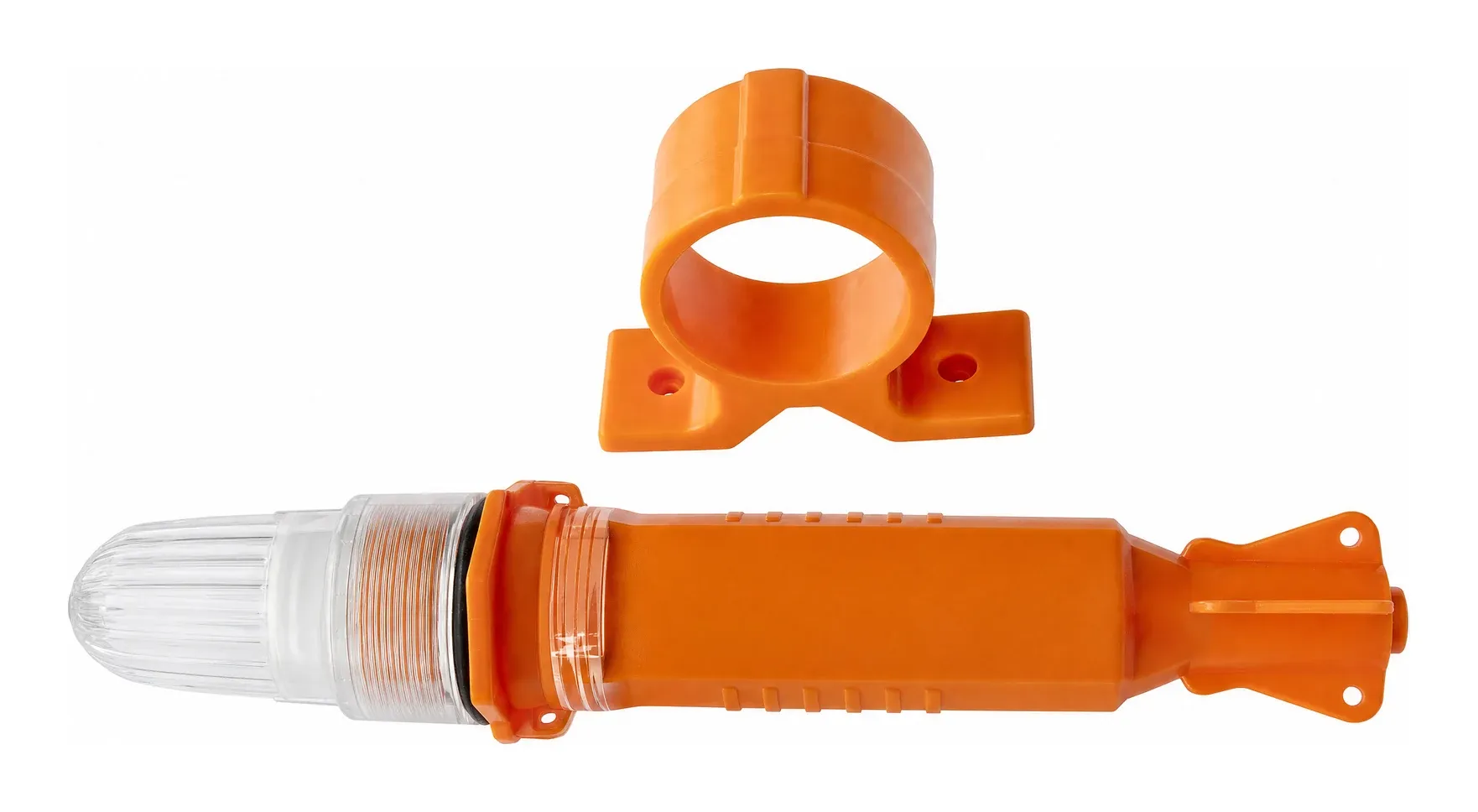
Lifebuoy Light (S.I. Light) – MMLBL
Model MMLBL
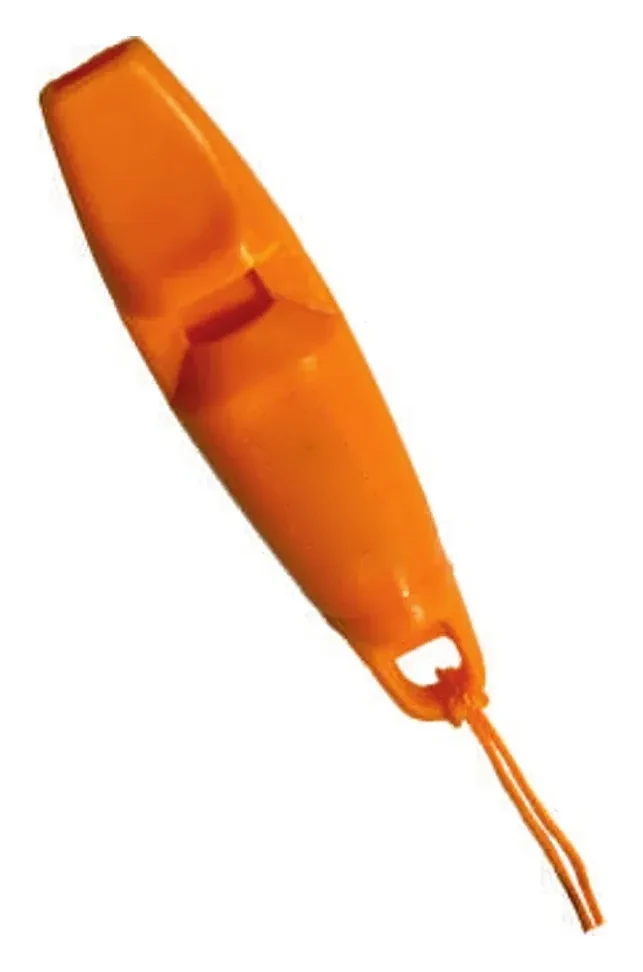
Life Jacket Whistle – MMLJW
Model MMLJW
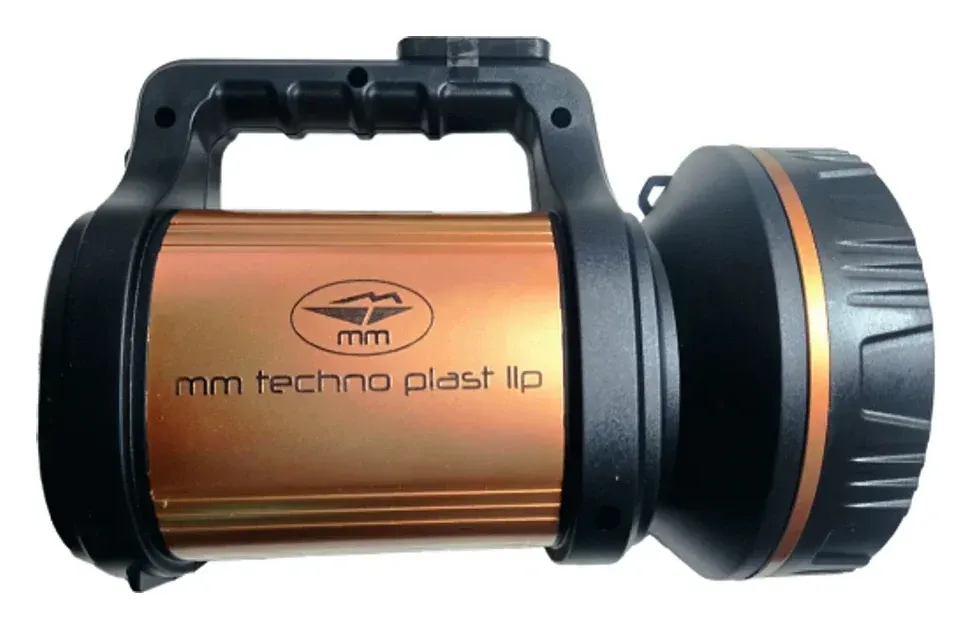
Search Light – MMAPSL
Model MMAPSL
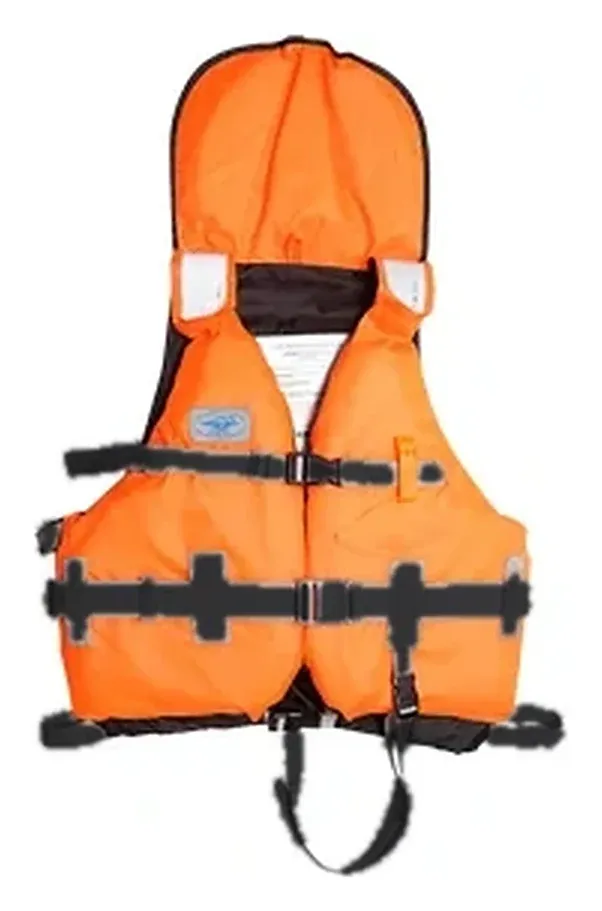
MM Work Vest Model: MMWV
Model MMWV
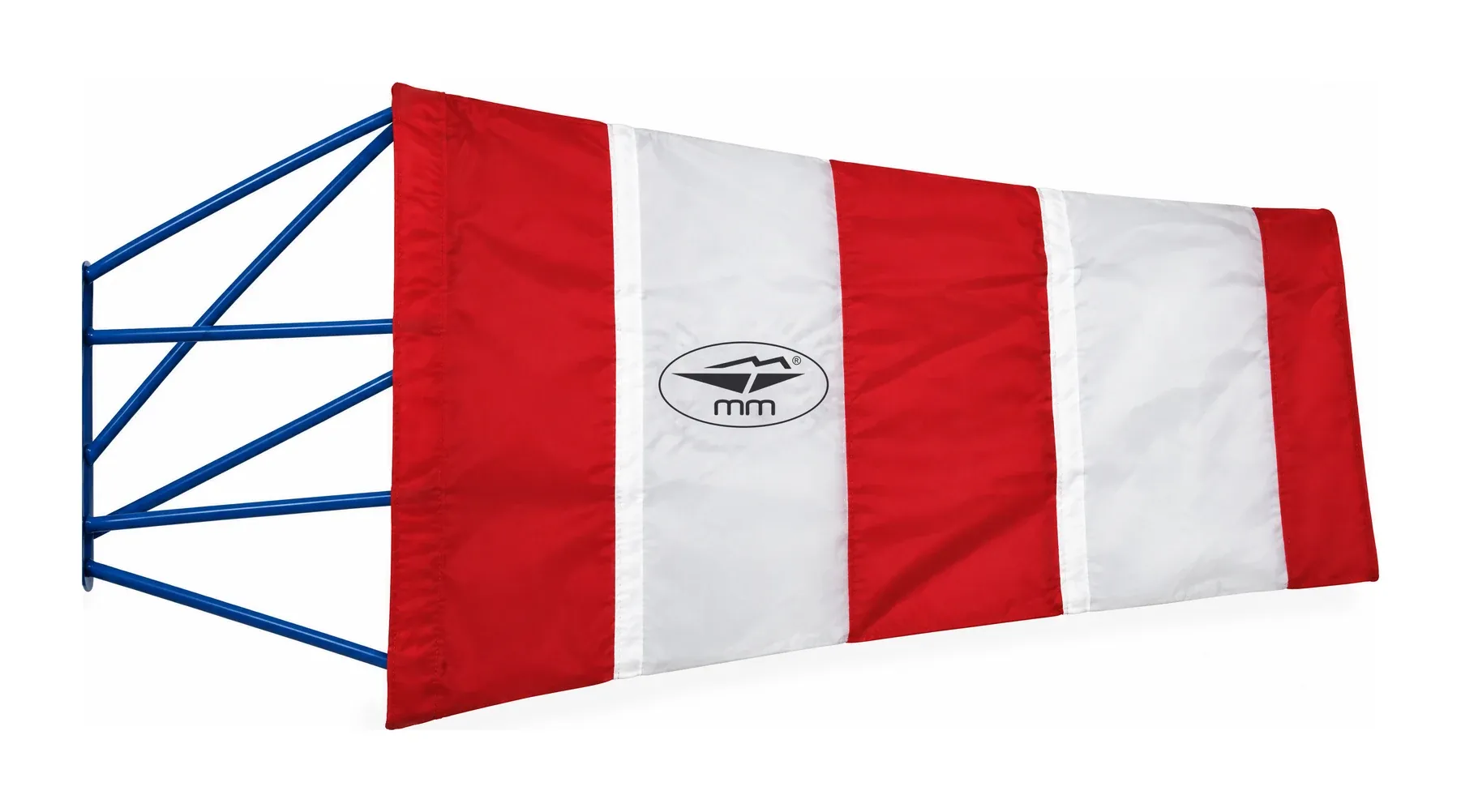
Wind Sock
Model MMWS
The vessels, ports and jetties page lists the range by job. Request a quote with the number of stations, the deck height above low water, and the helmets and vests you need.
Source: IMO, SOLAS 1974.