


 Vasai, Maharashtra
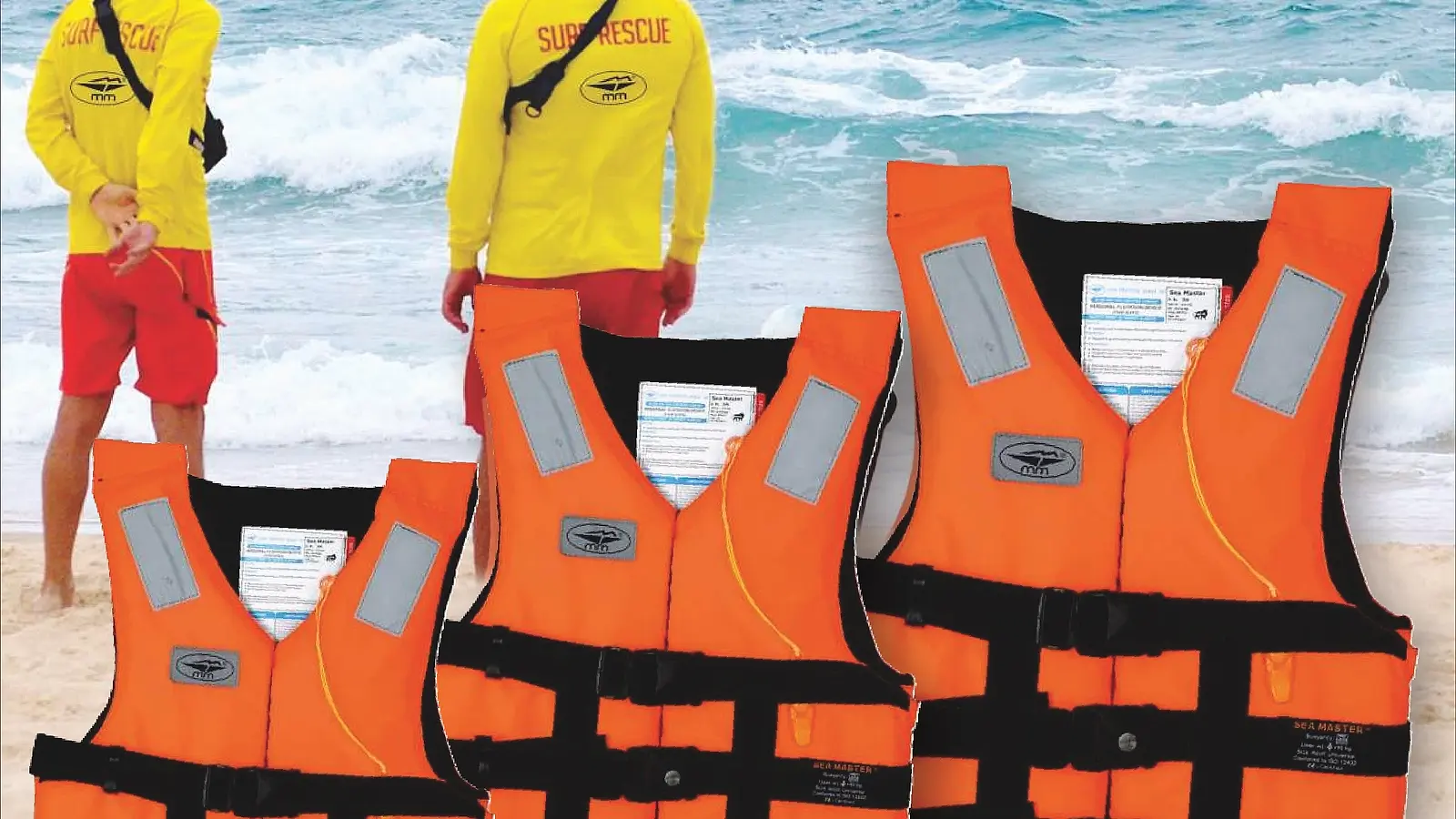
Passengers on a ferry or a tourist boat did not choose their life jacket, did not check it, and may never have worn one. The operator does all three for them, for every seat, on every trip.
Which rules apply to a passenger boat?
The boat’s registration and licence decide. A passenger ship on an international voyage comes under SOLAS chapter III. Most ferries and tourist boats in India work on rivers, lakes, creeks and coastal routes instead, under the Inland Vessels Act, 2021, state rules and the licence the boat holds; that licence lists what must be carried. The SOLAS vs non-SOLAS guide explains the difference.
How many life jackets does a passenger boat need?
One for every person on board, crew included, and enough children’s sizes for the children who travel. SOLAS sets a useful benchmark even for boats outside it. Under regulation III/7.2.1, as amended by IMO Resolution MSC.201(81), a passenger ship carries:
- A life jacket for every person on board.
- Life jackets suitable for children for at least 10% of the passengers, or more if needed so that each child has one.
- Infant life jackets for at least 2.5% of the passengers on voyages of less than 24 hours, and one for each infant on longer voyages.
- Where the adult jackets are not designed for wearers up to 140 kg with a chest girth up to 175 cm, accessories that let them be secured to such passengers.
A tourist boat that carries families every weekend may need far more than 10% in children’s sizes. Count by who actually boards, not by the minimum.
Which sizes should a ferry or tourist boat stock?
Stock by weight, from infant to oversize adult. The Sea Master comes in four tiers, so one model covers most of a boat’s passengers: Adult Universal and Child Large at 100 N, Child Junior and Child Infant at 50 N. For heavier adults, the SUMO and Sigma cover wearers up to 140 kg at 150 N. Where the licence calls for IRS-approved jackets, the MMLJ is 240 N with IRS type approval; its child-sized version, the MMLJC, is 90 N for children up to 43 kg and carries CE. The sizes post sorts the range by weight, and life jackets for children covers fitting a child.
| Specification | Value |
|---|---|
| Adult Universal | Up to 95 kg · PFD III · 100 N · ISO 12402-4 |
| Child Large | Up to 80 kg · PFD III · 100 N · ISO 12402-4 |
| Child Junior | Up to 36 kg · PFD III · 50 N · ISO 12402-5 |
| Child Infant | Up to 14 kg · PFD III · 50 N · ISO 12402-5 |
| Accessories | Life jacket light / buddy line (optional) |
Where should lifebuoys go on a passenger boat?
On both sides, where the crew can throw them at once, with at least one on a buoyant lifeline. On a SOLAS ship the count is set by length, and the lifebuoy specification post has the tables; a smaller boat carries what its licence lists. The MMLB ring is 720 mm across with 180 N of buoyancy; the MMBLL line comes in 25 m and 30 m lengths; the MMLBL light switches itself on in water for boats that run after dark.
What should the safety briefing cover?
- Where the life jackets are, and that they are free to take.
- How to put one on and fasten every strap: the wearing guide has the steps, including the lift test at the shoulders.
- That parents fit their children’s jackets, and the crew checks each one.
- Where the lifebuoys are, and that passengers stay seated and do not jump unless the crew tells them to.
- On boats where jackets are worn for the whole trip, that they stay fastened until the boat is alongside.
How should life jackets be stored on board?
Within reach of the seats, in marked lockers or racks that open without a key, dry and out of the sun. Keep children’s and infant jackets in their own marked place so a parent does not have to search through adult sizes. Stack them loosely: a jacket crushed under a heavy load for months loses shape, and one stored wet grows mould.
How often should a passenger boat check its life jackets?
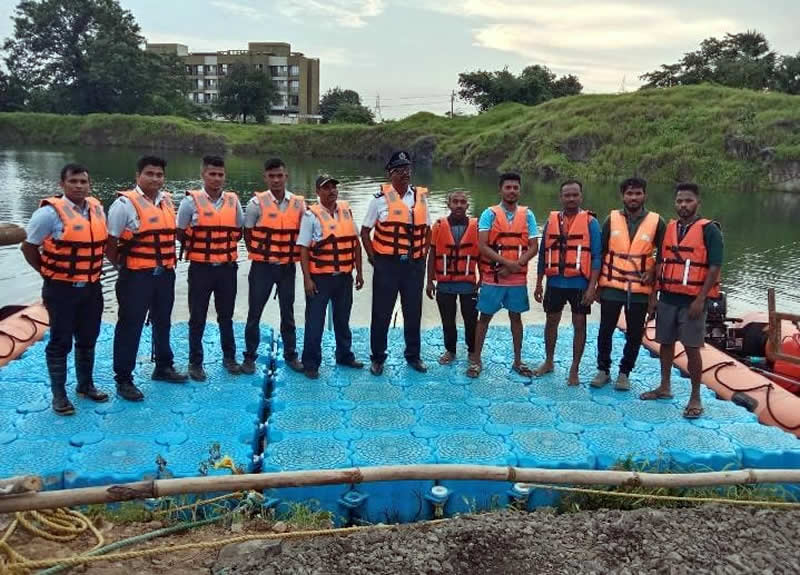
Count them before each day’s first trip, and inspect each one at the interval the boat’s licence or survey sets. Take out of use any jacket with torn fabric, crushed or missing foam, a broken buckle, a missing whistle or an unreadable label. The life jacket inspection checklist has the full check and a log to keep, and why life jackets are orange explains the reflective tape to look for.
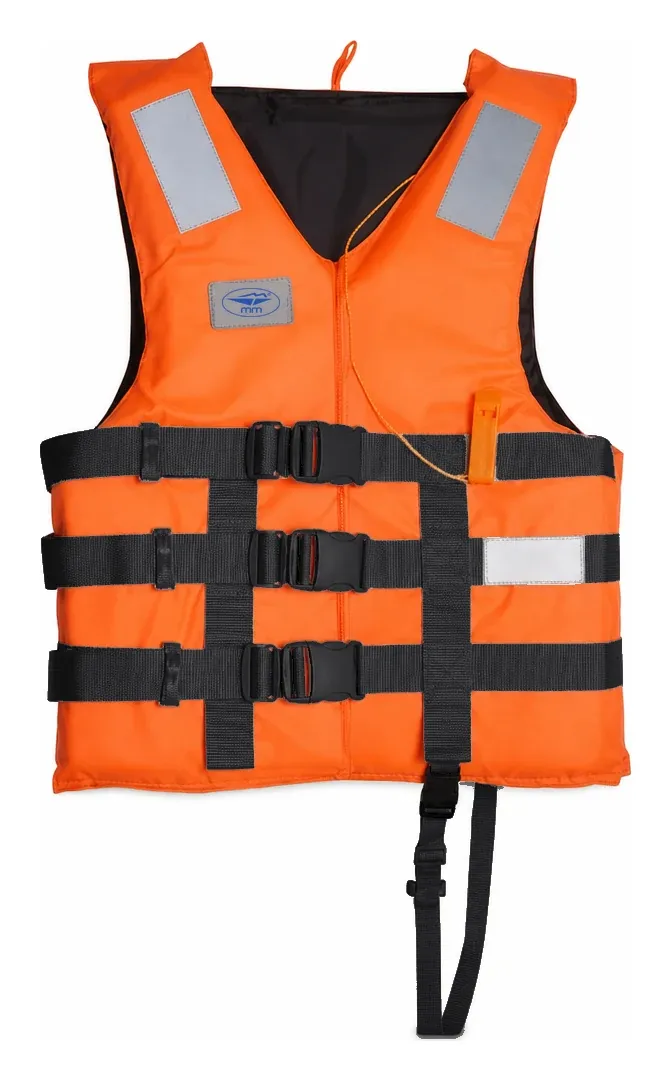
MM Life Jacket Model: Sea Master
Model SEA MASTER
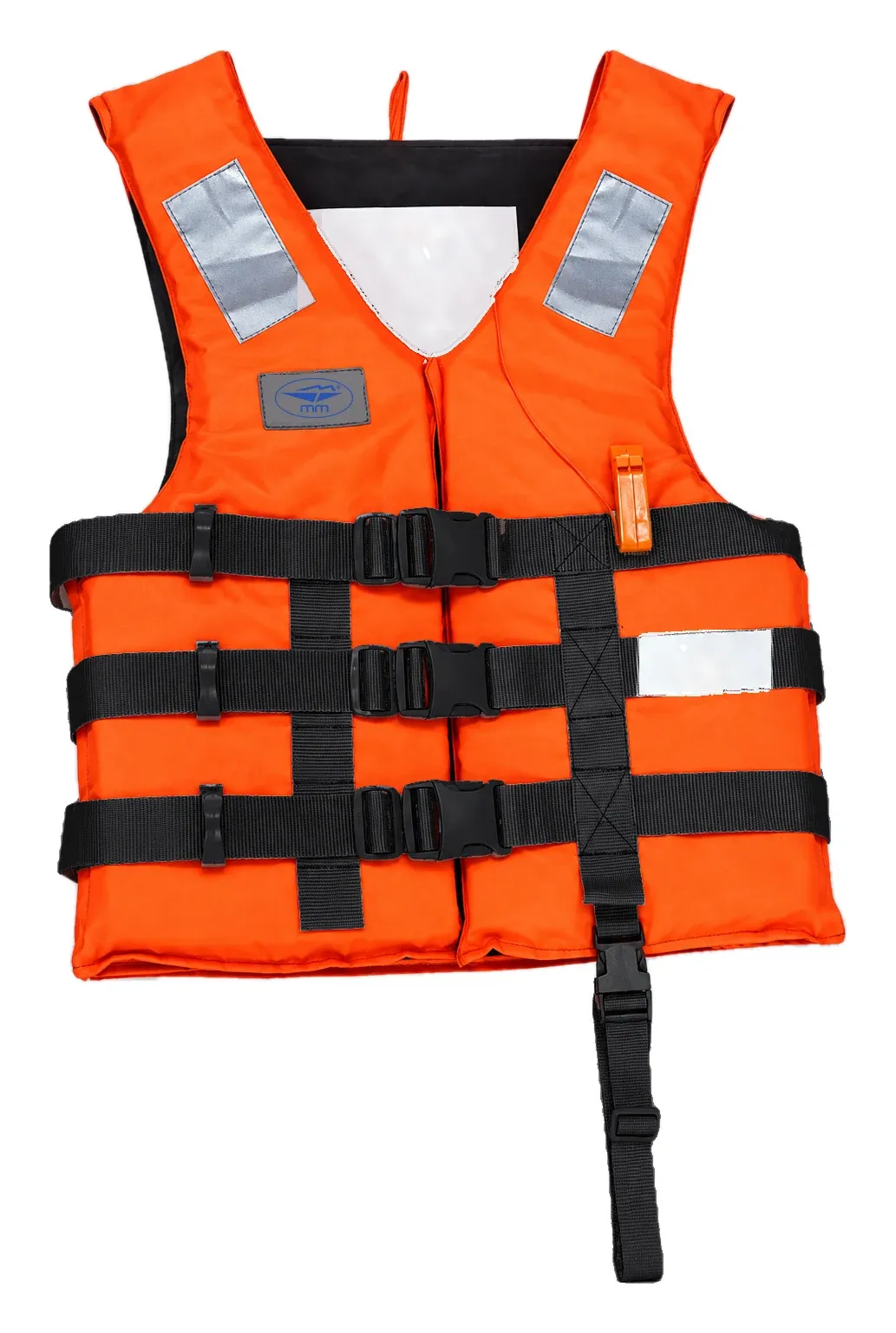
MM Life Jacket Model: SUMO
Model SUMO
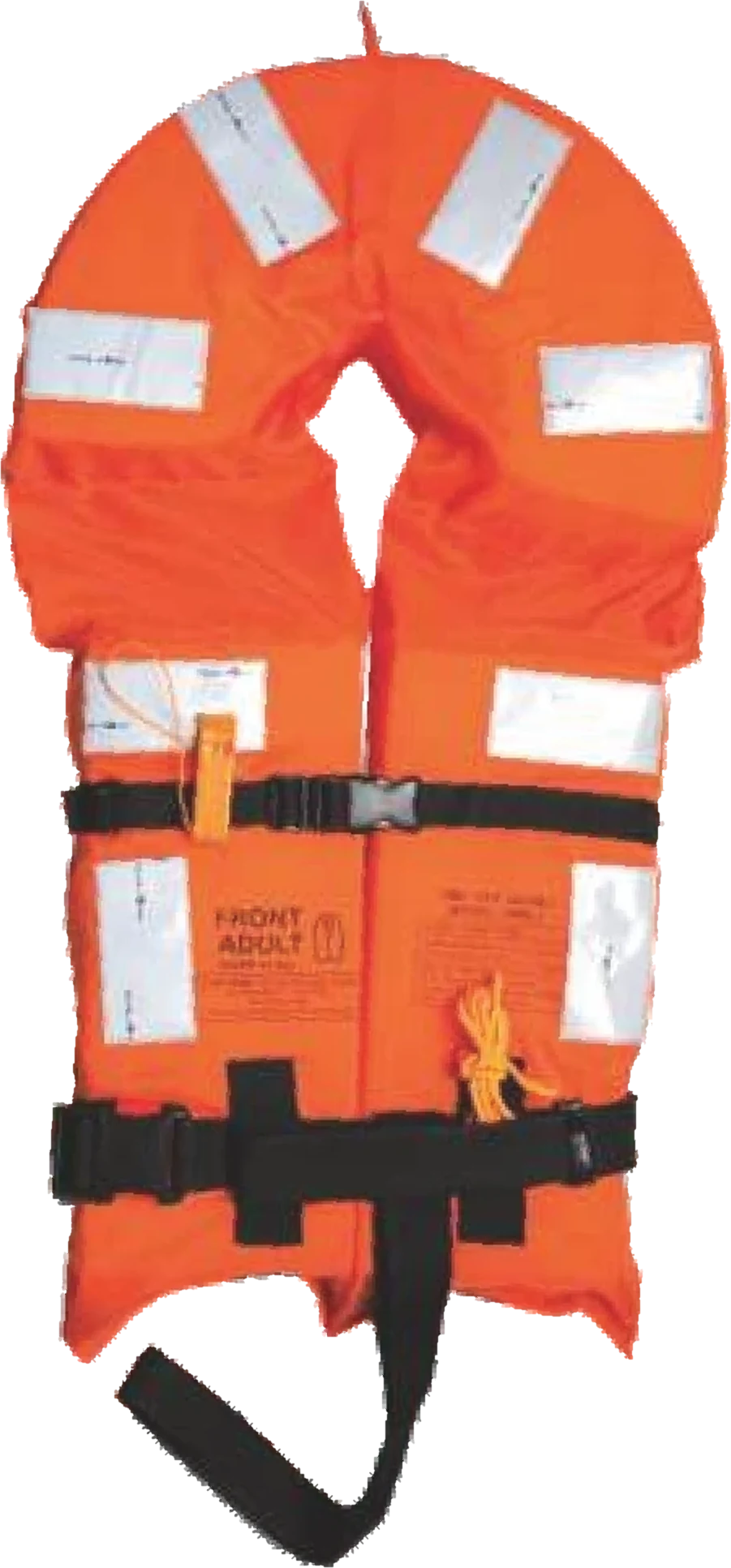
MM Life Jacket Model: MMLJ
Model MMLJ
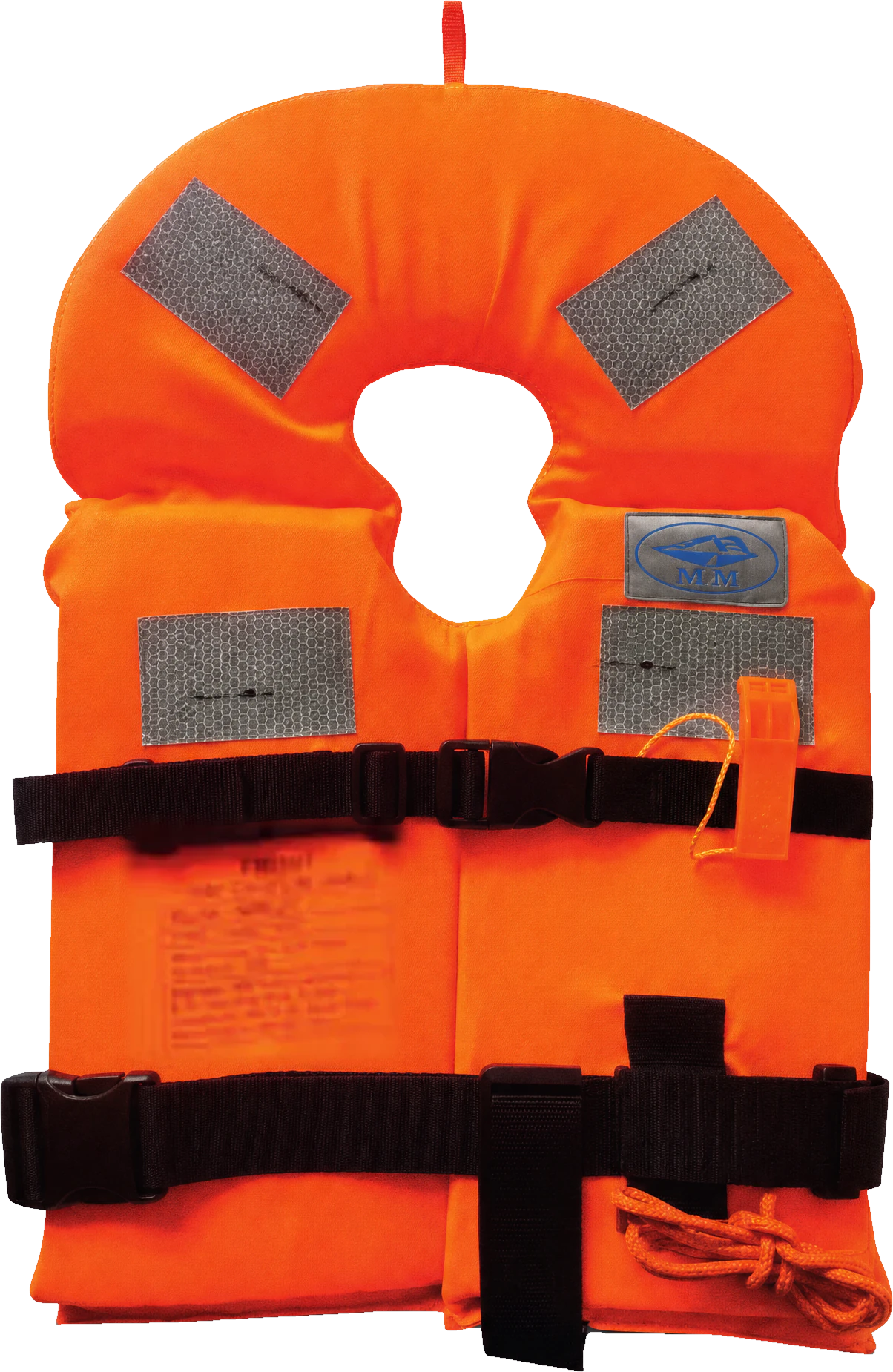
MM Life Jacket Model: MMLJC
Model MMLJC
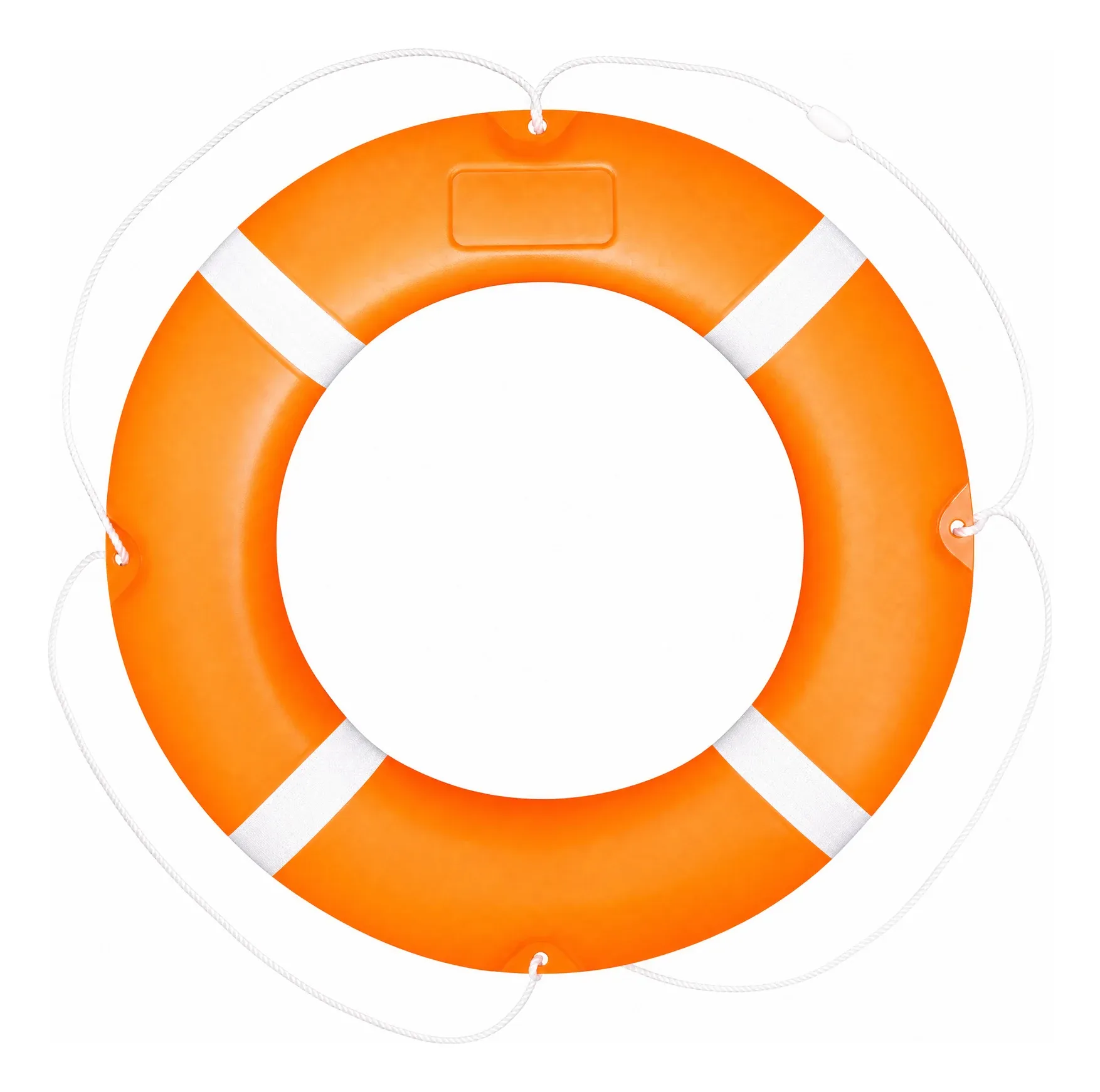
MM Lifebuoy Model: MMLB 2.5 & MMLB 4
Model MMLB-2.5 / MMLB-4
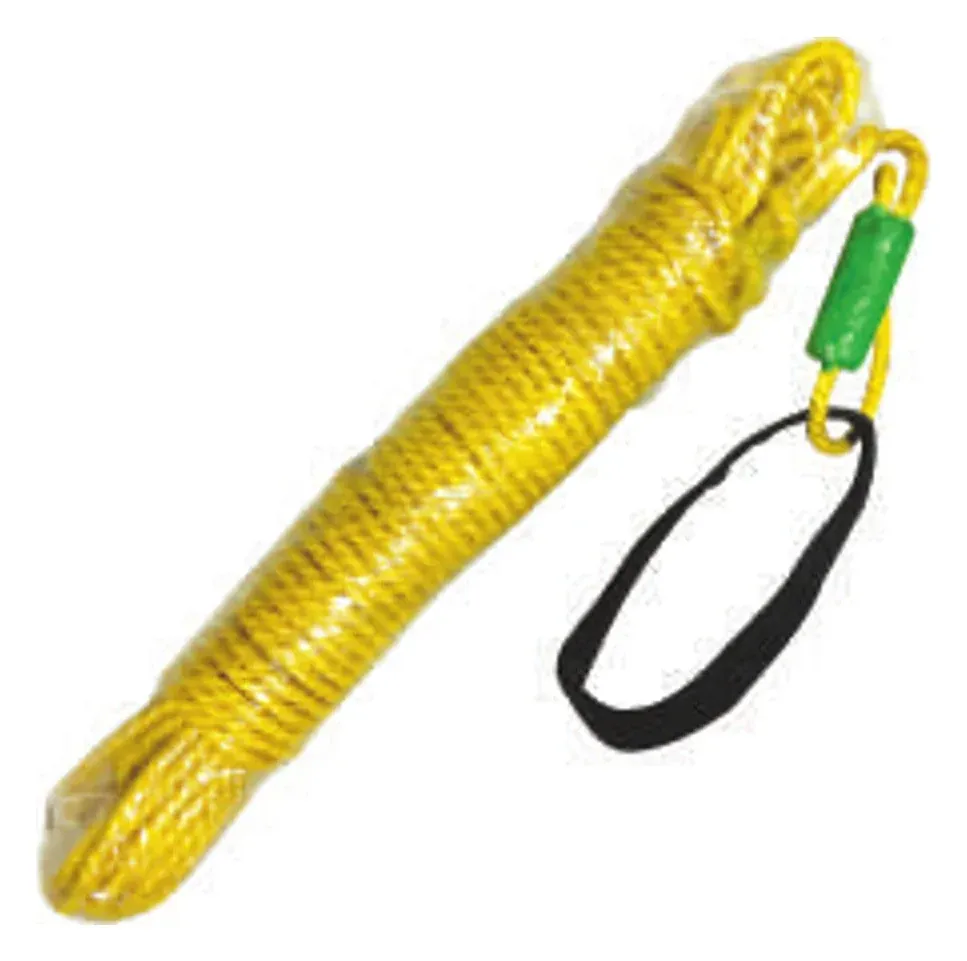
Buoyant Lifeline – MMBLL25 & MMBLL30
Model MMBLL25 / MMBLL30
The water sports and tourism page lists the range by job. Request a quote with the boat’s passenger capacity and how many jackets you need in each size.
Sources: IMO, SOLAS 1974, IMO Resolution MSC.201(81).