

 Vasai, Maharashtra
A worker who falls from a bridge deck, a pile cap or a jetty under construction lands in moving water, often in boots and with tools on a belt. Site kit for work over water has three jobs: keep that worker afloat, get a ring and a line to them quickly, and protect heads from what falls from above.
What do the rules ask for on a site over water?
The rules ask for the means to save a worker from drowning, and leave the numbers to the site. In India, rule 42(4) of the Building and Other Construction Workers (Regulation of Employment and Conditions of Service) Central Rules, 1998 requires the employer, where workers are exposed to the hazard of falling into water, to provide adequate equipment for them to save themselves from drowning and for their rescue, and a manned, equipped boat at the site where the Director-General considers it necessary. Where a state has notified its own rules, those apply.
Rule 42(4) names no count of lifebuoys or spacing between them. Those come from the client’s specification and the project’s HSE plan, so read both before you order: they decide how many rings, lines and jackets the site needs, and whether a rescue boat must stand by.
Work vest or life jacket for a site crew?
A work vest suits most edge work; a life jacket suits the boat crew and anyone working alone. A vest is cut for movement and light enough to wear through a shift, and a jacket left in the site office protects no one. The MMWV is 100 N, PFD Type III, for wearers up to 90 kg, with adjustable shoulders and sides, a fully encircling belt and chest strap, and a crotch strap and whistle fitted as standard. The work vest post sets the two side by side.
Weigh the heaviest worker with boots and tool belt on, and pick a model whose user weight covers them. Above 90 kg, the STERN covers wearers up to 120 kg at 120 N and the SUMO up to 140 kg at 150 N. For rescue-boat crew, the MMLJ is 240 N, PFD Type I, for wearers up to 140 kg, the class designed to turn most unconscious wearers face-up.
| Role | Wears | Within reach |
|---|---|---|
| Edge and deck workers | Work vest or life jacket, fastened; helmet with chin strap | A lifebuoy ring with a buoyant lifeline |
| Crew on pontoons, barges and work boats | Life jacket with a light and whistle; helmet | A lifebuoy and line on the craft |
| Rescue boat crew | Life jacket with a light and whistle | Lifebuoy and line, boat hook, oars, search light |
| Supervisors and visitors | The same kit as the area they enter | The same stations as the crew |
Where do lifebuoys and lines go at the edge?
Put a ring at every place where people work at an open edge, on a post or bracket where anyone can take it down in seconds, never locked in a store. The MMLB ring is 720 mm across with 180 N of buoyancy. Pair each ring with a buoyant lifeline: the MMBLL comes in 25 m and 30 m lengths of 8 mm polypropylene, with a nylon handle strap so the thrower keeps hold of the end.
- Keep the line coiled free and attached to the ring, never used to tie down material.
- Keep the stations clear of stacked steel and shuttering, so the ring can be reached and thrown.
- Show every worker where the nearest ring is, and who on the shift is trained to throw it.
- Walk the edge at the start of each shift and check every ring and line is still there.
Which helmet for work over water?
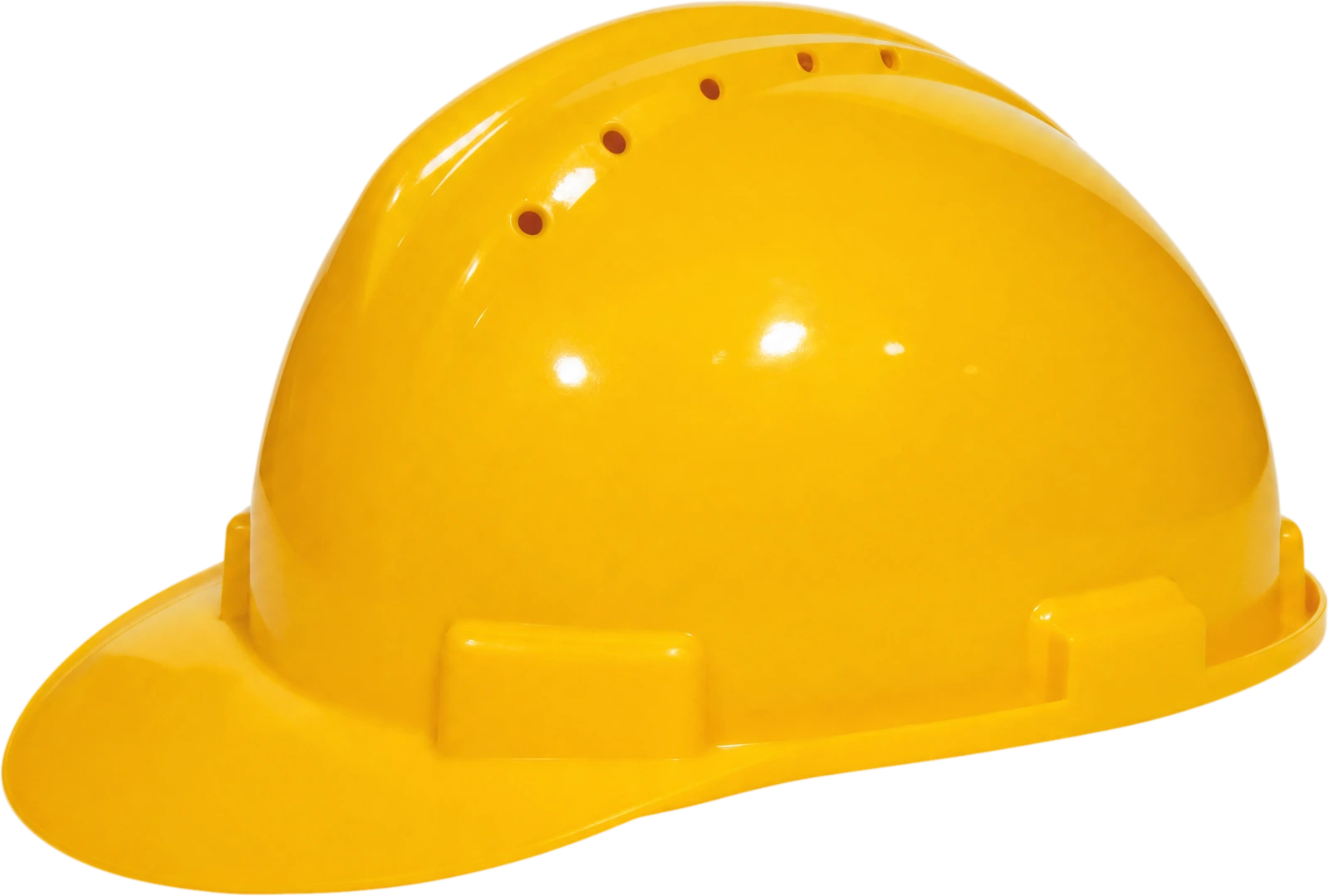
Issue a helmet to IS 2925 with the ISI mark, and wear the chin strap fastened at the edge, where a knock or a gust can take an unfastened helmet over the side. MM’s CH01 and CH02 carry the ISI mark, fit head sizes 53 to 63 cm, and come with an adjustable chin strap and a ratchet or nape headband. The IS 2925 post shows how to check a mark, and the colour code post helps tell roles apart at a distance.
| Model | Weight | Head size | Electrical class |
|---|---|---|---|
| MM Safety Helmet With Ventilation CH01 | 345 g approx. | 53 to 63 cm | – |
| MM Safety Helmet With Ventilation CH02 | 300 g approx. | 53 to 63 cm | – |
| MM Safety Helmet Without Ventilation CH01 | 345 g approx. | 53 to 63 cm | Class 0; voltage-tested at 2000 V a.c. |
| MM Safety Helmet Without Ventilation CH02 | 300 g approx. | 53 to 63 cm | Class 0; voltage-tested at 2000 V a.c. |
What changes for night work and the rescue boat?
At night a person in the water has to be found as well as reached. Fit a light to every jacket: the MMLJL is water-activated, 0.75 cd, and locks to the jacket. Fit the MMLBL to the rings at the edge: it comes on by itself in water and flashes 70 times a minute at 2 cd. The rescue boat carries a search light; the MMAPSL is a rechargeable 100 W LED that passes a drop test from 1 m with its battery. The man overboard post covers the first minute after a fall.
How often should site kit be checked?
- Every shift: jackets worn and fastened, rings and lines in place.
- Every week: each jacket’s cover, buckles, tape, whistle and label, and each light’s battery date.
- After any use: a ring that has been thrown is dried and checked, and its line re-coiled, before it goes back.
- Any jacket with torn fabric, crushed foam or a broken buckle comes out of use. The life jacket inspection checklist has the full check and a log to keep.
What should you send for a site-kit quote?
- The number of workers over water on the largest shift, and the heaviest worker’s weight with kit on.
- The number of edge stations, and the height of the deck above the water.
- Whether there is night work and a rescue boat.
- Helmet numbers in each colour, ratchet or nape.
- The client’s specification or the HSE plan’s equipment list.
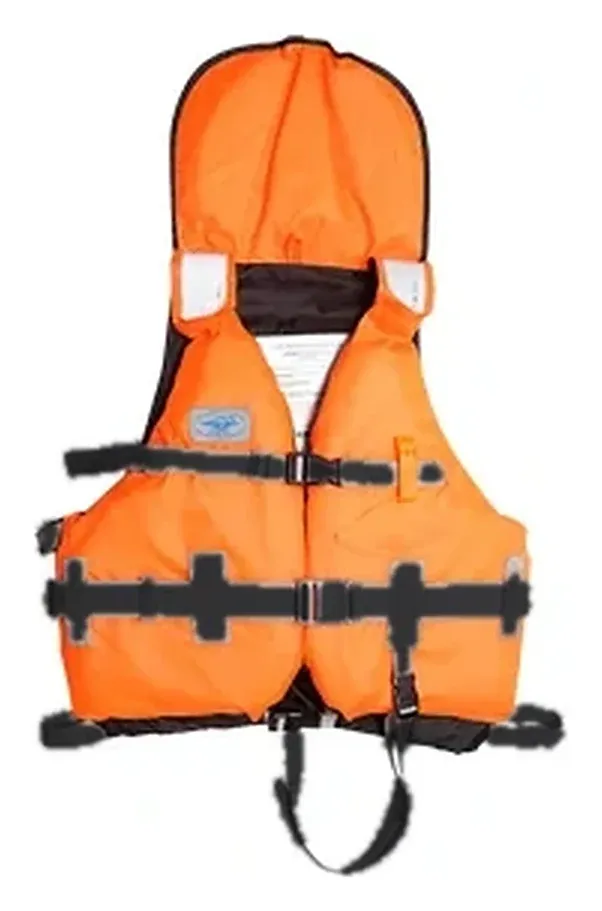
MM Work Vest Model: MMWV
Model MMWV
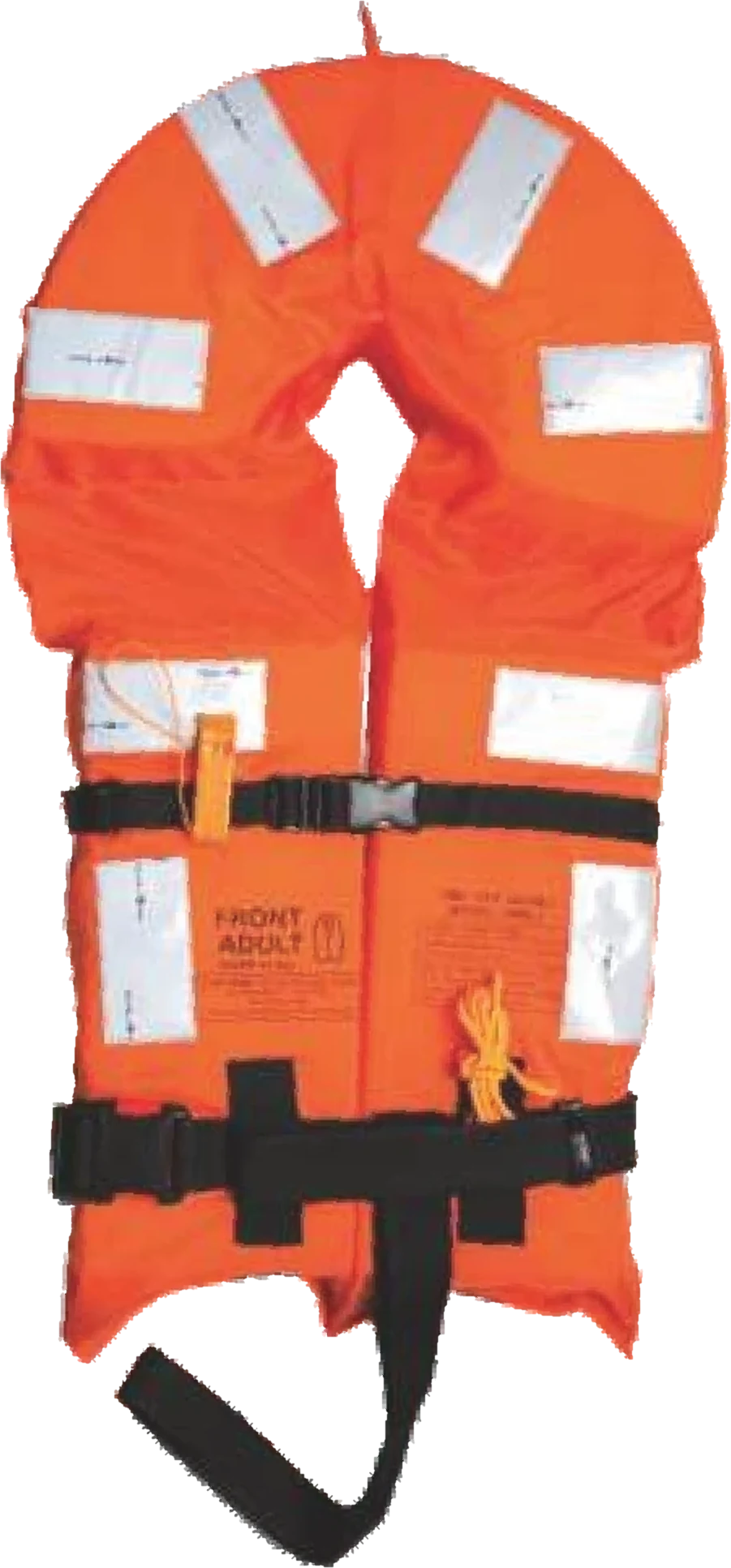
MM Life Jacket Model: MMLJ
Model MMLJ
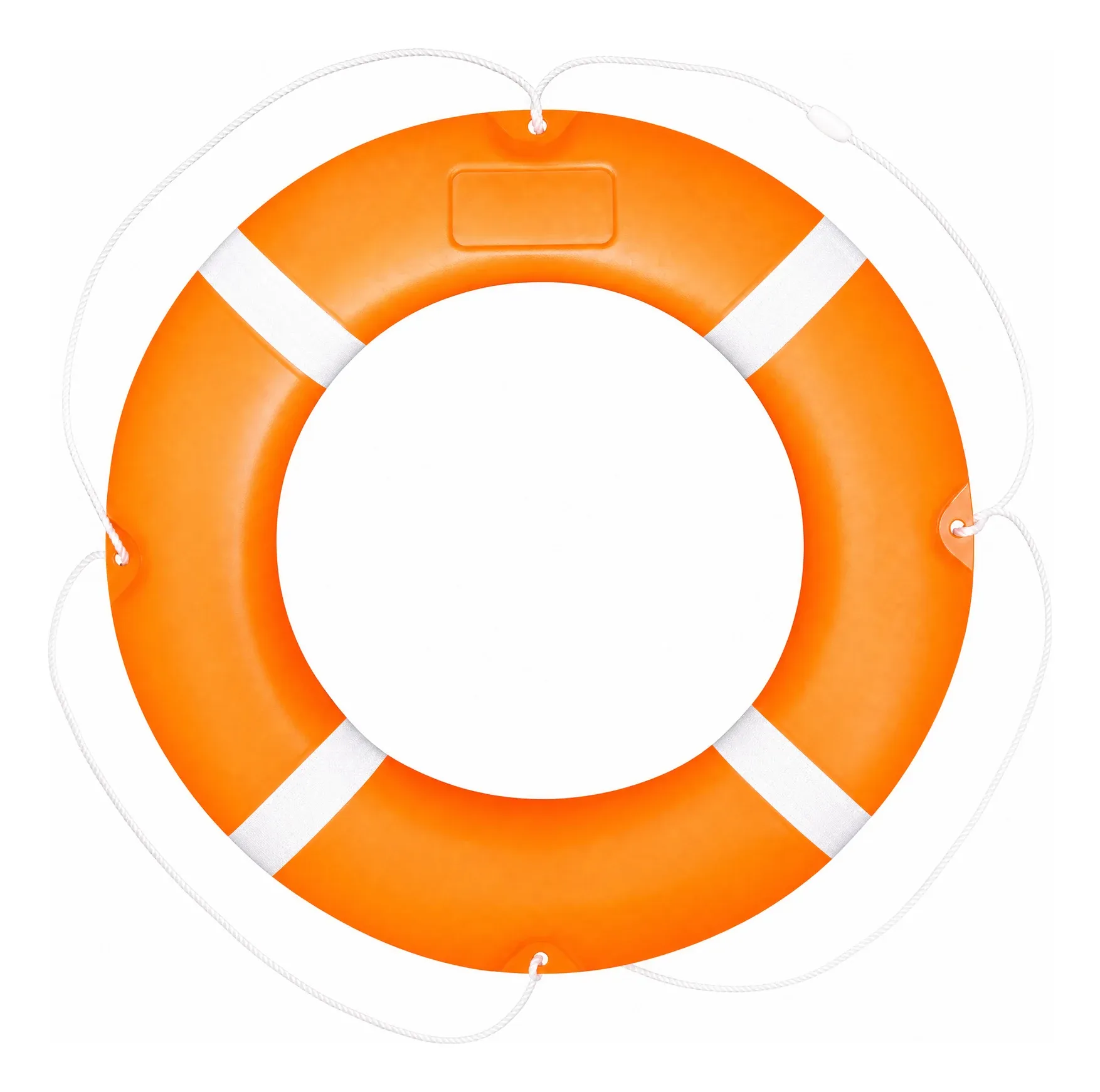
MM Lifebuoy Model: MMLB 2.5 & MMLB 4
Model MMLB-2.5 / MMLB-4
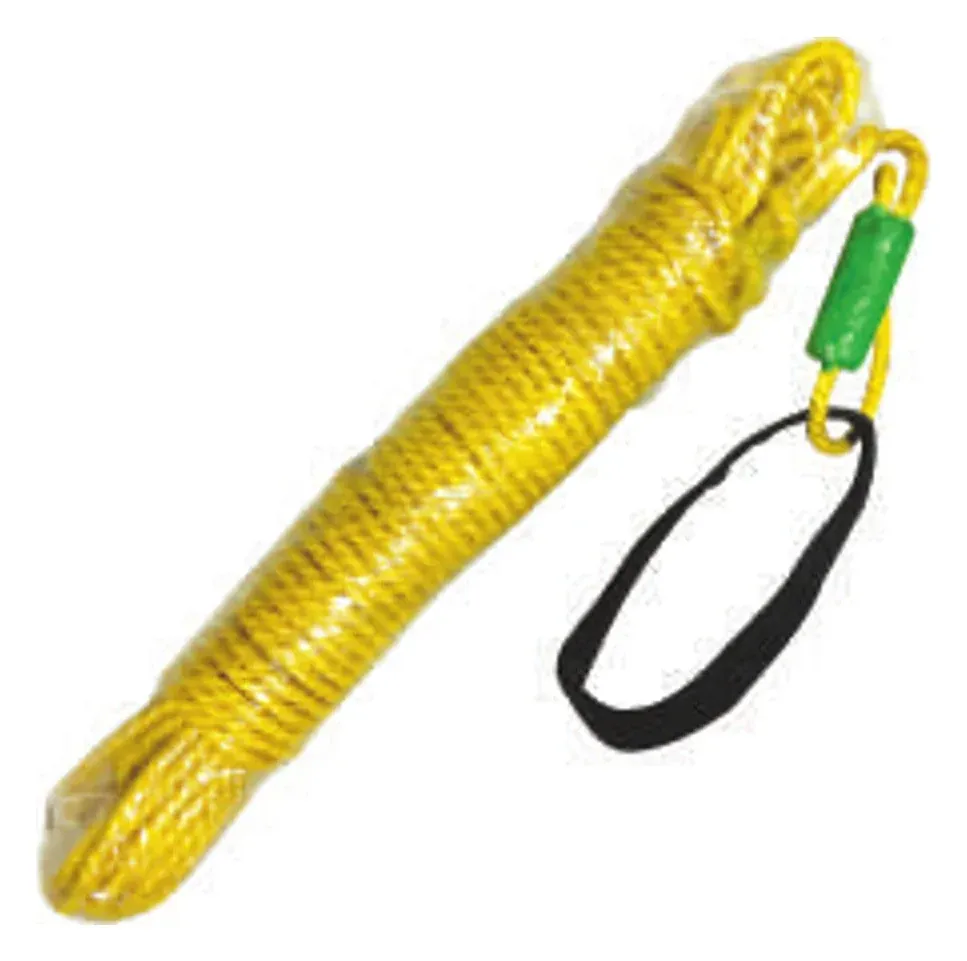
Buoyant Lifeline – MMBLL25 & MMBLL30
Model MMBLL25 / MMBLL30
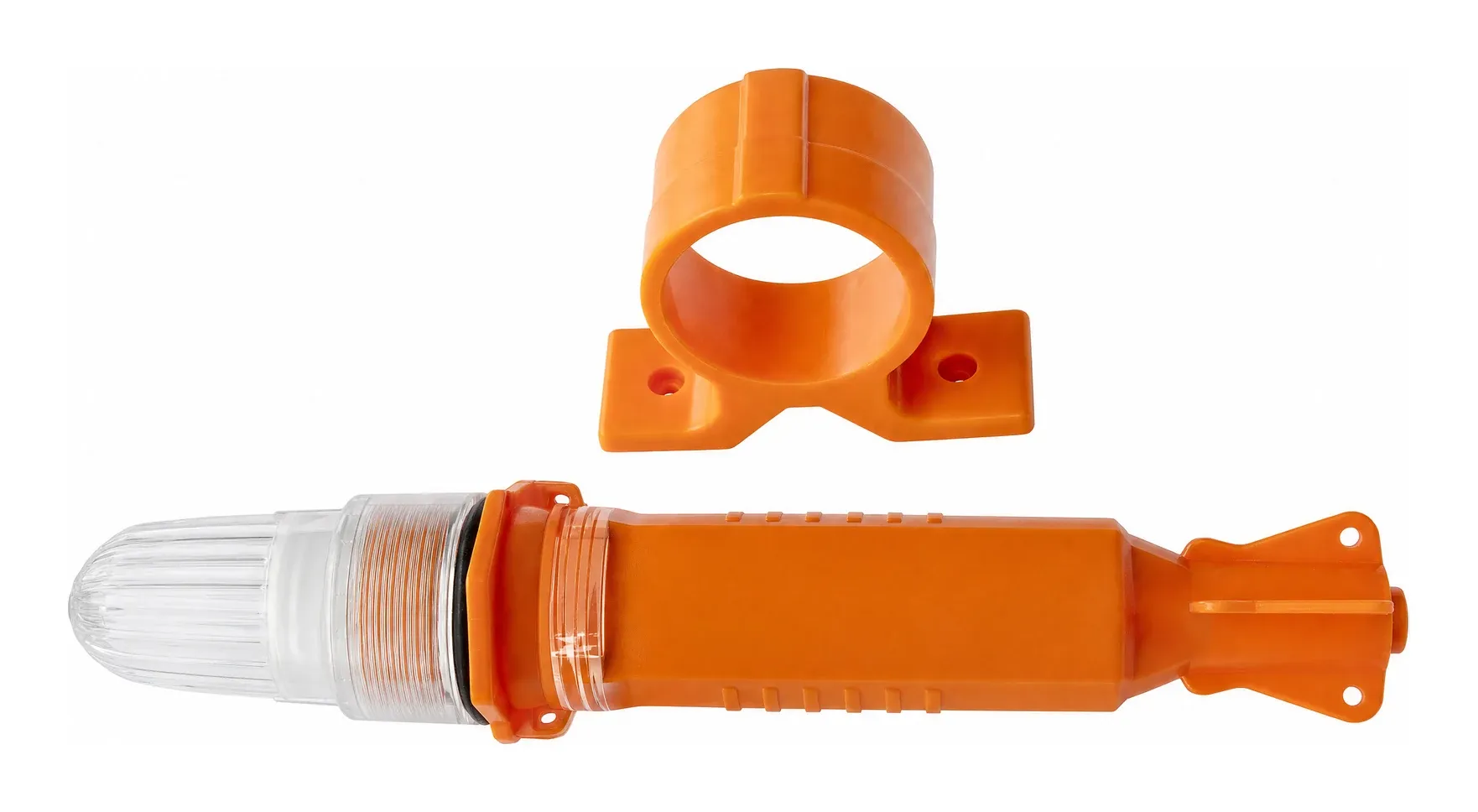
Lifebuoy Light (S.I. Light) – MMLBL
Model MMLBL
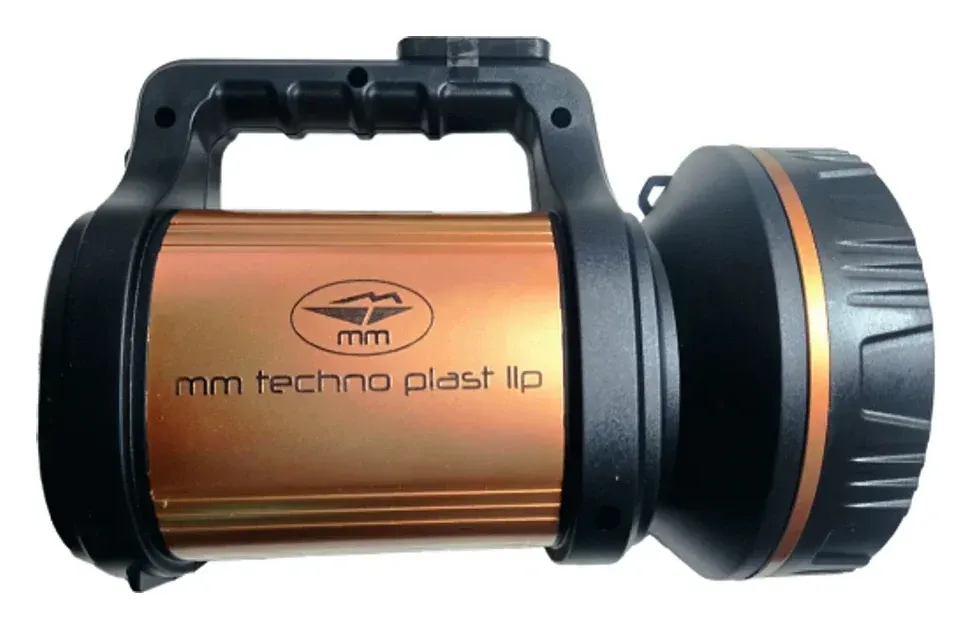
Search Light – MMAPSL
Model MMAPSL
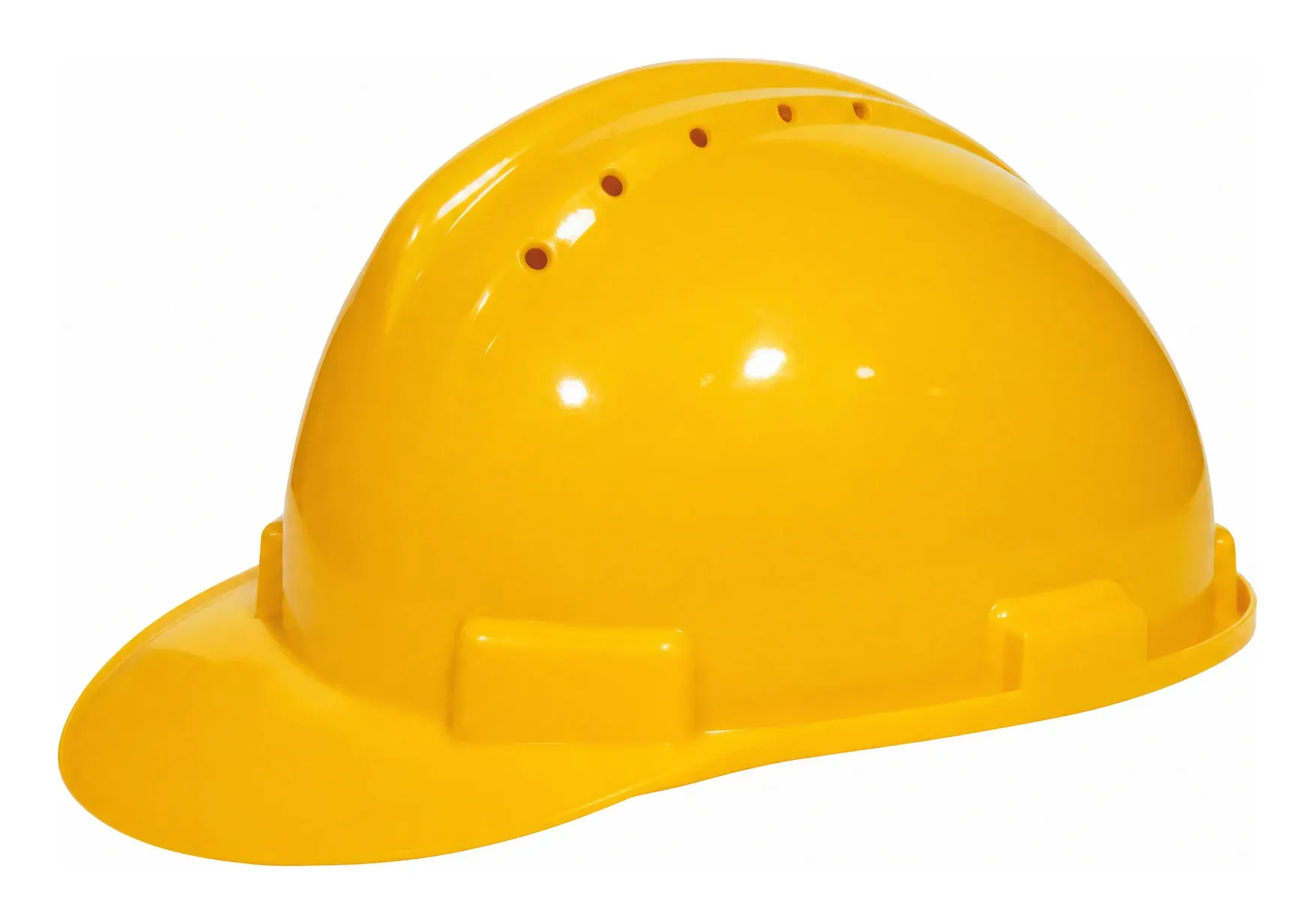
MM Safety Helmet With Ventilation CH01
Model CH01
Ports and jetties in service are covered in lifebuoys and lifelines at the waterside, and helmets for yards on the industrial safety page. Request a quote with the list above.